Easy Zentangle Painting: Simple Meditation Art for Beginners 2026
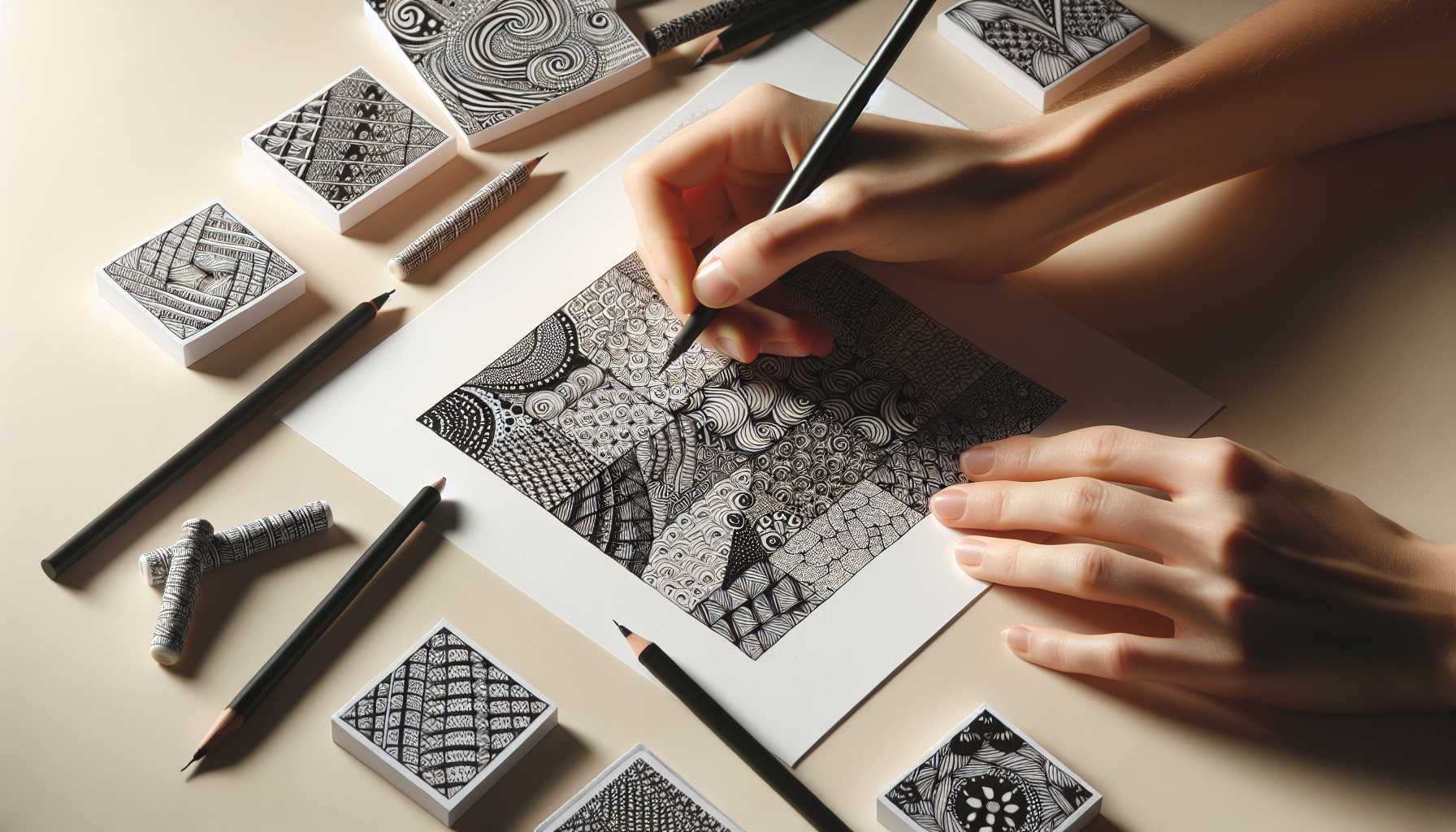
Beginner's Guide: Zentangle Painting - Simple Art and Meditation 2026
Do you often find yourself stressed after a taxing day? Are you on the lookout for a creative endeavor that could also help you unwind?
If yes, Zentangle painting could be the ideal choice for you. This fascinating form of art marries creativity and mindfulness, making it an excellent choice for budding artists.
Understanding Zentangle Painting
Zentangle painting is a mindful and meditative form of art, which requires drawing repetitive patterns in segmented spaces, resulting in the creation of striking artwork.
The best part about Zentangle art is the absence of mistakes. Each line you draw has a purpose, and is considered beautiful.
This art form was introduced by Maria Thomas and Rick Roberts in 2003. Their goal was to help people experience tranquility through structured drawing. This art form now boasts millions of practitioners worldwide.
Why Zentangle Painting is an Excellent Choice for Beginners
Embarking on a new hobby can sometimes feel daunting. However, Zentangle painting alleviates this pressure entirely.
Artistic experience or costly supplies are not prerequisites. All you need is a piece of paper, a pen and an open mind.
The patterns are uncomplicated to learn. Basic shapes like lines, dots, and circles are usually used in most Zentangles. These simple shapes come together to form intricate designs.
Each session can be as brief as a 15-minute stint, making it ideal for those with tight schedules. Zentangle painting can be done during lunch breaks or before bedtime.
Must-Have Supplies for Zentangle Painting Made Easy
Starting with minimal investment is possible. Here's everything you need:
Basic Necessities: - White paper (traditionally 3.5 x 3.5 inches) - Black fine-tip pen (0.1mm recommended) - Pencil for sketching initial borders - Blending stump or tissue - Adequate lighting
Optional Enhancements: - Official Zentangle tiles - Sakura Pigma Micron pens - White gel pen for additional highlights - Colored pencils for shading
These items are readily available, making Zentangle painting readily accessible for everyone.
Simple Zentangle Patterns for Beginners
Explore these beginner-friendly patterns perfect for your first foray into Zentangle painting:
Pattern 1: Hollibaugh
Create a woven look with this pattern. Draw parallel lines in one direction and cross them with parallel lines in another direction. Decide which lines cross "over" or "under" at each intersection.
Pattern 2: Crescent Moon
Draw shapes resembling crescent moons and fill the in-between spaces with smaller crescents. This pattern lends an organic and fluid feel.
Pattern 3: Florz
Begin with a circle and draw petal-style shapes around it. Add dots or tiny circles within each petal to create a simplistic flower pattern.
Pattern 4: Static
Sketch wavy horizontal lines across your designated area. Fill spaces between with shorter vertical lines, giving the effect of static radio waves.
These basic patterns lay the foundation of Zentangle painting. Mastery of these four will prepare you for more intricate designs.
How to Create Your First Zentangle: Step by Step
Ready to create your maiden Zentangle painting? Follow these simple steps:
Step 1: Prepare Your Tile Cut a square measuring 3.5 x 3.5 inches of paper. Sketch light pencil points at each corner and connect them with curved lines to form a border.
Step 2: Create Your String Trace a light pencil line that partitions your tile into distinct sections. This will guide you about where to draw different patterns. Keep it simple for your first attempt.
Step 3: Choose Your Patterns Select 2-3 patterns from those you've learnt. Remember, there's no pressure to fill every section at once.
Step 4: Start Tangling Begin with a section and mindfully draw your chosen pattern, concentrating on each drawn line.
Step 5: Add Shading Blur light shading onto your design using your pencil. This adds depth. Ensure you shade one side of any raised elements.
Step 6: Sign Your Work Put down your initials and the date. Each Zentangle is a memorable moment worth cherishing.
Mental Health Benefits of Zentangle Painting
The repetitive nature of Zentangle painting brings tranquility to your mind naturally.
When focusing on creating patterns, your brain settles into a peaceful, meditative state. You notice concerns fading and stress being lifted.
Many have reported improved sleep after evening Zentangle sessions, while others have experienced relief from anxiety and depression symptoms.
The secret lies in immersing oneself in the current stroke instead of thinking about the end product. This practice enhances mindful presence over time, lending more balance to your daily life.
Common Mistakes Beginners Make
Acquiring a new skill has its challenges. Here are some mistakes to avoid when you start your Zentangle journey:
Rushing the Process Remember, Zentangle painting is about the journey, not the outcome. Embrace the leisurely, meditative pace.
Comparing Your Work Every artist has a unique style. Your creations will differ from others, and that's what makes it special. Resist comparing as it steals away the joy of creation.
Attempting Complex Patterns Too Early Master the basics first. Understanding elementary techniques makes complex patterns easier.
Forgetting to Breathe It may seem silly, but many beginners tend to hold their breath while drawing. Breathing deeply and regularly is crucial.
Being Overcritical Zentangle art does not have mistakes, just creative opportunities. Welcome unexpected turns in your patterns.
Cultivating Your Zentangle Practice in 2026
Consistency rather than perfection matters more. Here are some tips to develop a sustainable Zentangle painting habit:
Start Small Commit to a 10-minute session thrice a week. This manageable goal helps build momentum.
Create a Sacred Space Designate a quiet corner for your Zentangle sessions. Keep your supplies organized and within reach.
Connect with Online Communities Interact with other Zentangle enthusiasts online. This allows you to share your work and draw inspiration from others.
Monitor Your Progress Store your completed tiles in a special place. Reviewing past works showcases your growth over time.
Experiment Gradually Once comfortable with the basics, start exploring new patterns slowly. Introduce a new technique every few weeks.
Advanced Tips for Budding Artists
Ready to elevate your Zentangle painting journey? Try these techniques:
Incorporating Colors Use colored pencils or watercolor pencils to add subtle color. Start with one or two shades.
Trying Larger Formats Move beyond the traditional 3.5-inch tiles. Experiment with larger paper sizes or try doing Zentangle on art journals.
Mixed Media Zentangle patterns can harmonize with other art forms like watercolor backgrounds.
Three-Dimensional Elements Add a three-dimensional aspect with strategic shading and highlighting, making patterns appear lifelike.
Create Personal Patterns Develop unique patterns based on objects, textures, or memories that inspire you.
Deriving Inspiration for Your Zentangle Journey
Inspiration abounds in everything around you. Nature offers infinite pattern ideas.
From tree barks and petal shapes to cloud formations - observe your surroundings for artistic inspiration. Noticing architectural nuances, fabric textures, or even the ripple patterns on water can spark your imagination.
Keep a small notebook handy to draw pattern ideas. Record interesting textures you encounter throughout the day.
Photography can also be a tool to capture inspiring textures for later reference. Close-up shots of intriguing surfaces can serve as material for your next creation.
Draw inspiration from other artists' work without copying their art. Observe their use of space, shading, and how they combine patterns.
Sharing Your Zentangle Creations
Creating art gives joy, and sharing it multiplies that joy. Here's how you can share your Zentangle paintings:
Social Media Showcase your creations on platforms like Instagram, Facebook, or Pinterest. Use relevant hashtags such as #zentangle or #meditativeart.
Local Art Communities Participate in local Zentangle meetup groups for support, inspiration, and camaraderie.
Gifts for Loved Ones Zentangle paintings make for thoughtful, personalized gifts.
Art Challenges Take part in online Zentangle challenges that provide structure and motivation to maintain regular practice.
Conclusion: Begin Your Zentangle Journey Today
Easy Zentangle painting combines creativity and meditation in an excellent blend. It's suitable for beginners and enjoyable for experienced artists.
Special talent or pricy supplies are not necessary - just a natural curiosity and a willingness to try out new things are all that are required.
Beyond crafting beautiful artwork are the benefits of peace, focus, and joy that seep into everyday life through regular practice.
Your first Zentangle might not be perfect, and that's precisely the point. Each tile is a step on your artistic journey.
Arm yourself with a pen and paper right now. Sketch your initial border. Create your earliest pattern.
Welcome to the serene world of Zentangle painting, where your relaxed and creative self eagerly awaits to spring forth.