Simple Spray Bottle Art: Fun Paint Techniques for Beginners
Unleashing Creativity with Spray Bottle Art: A Beginner's Guide
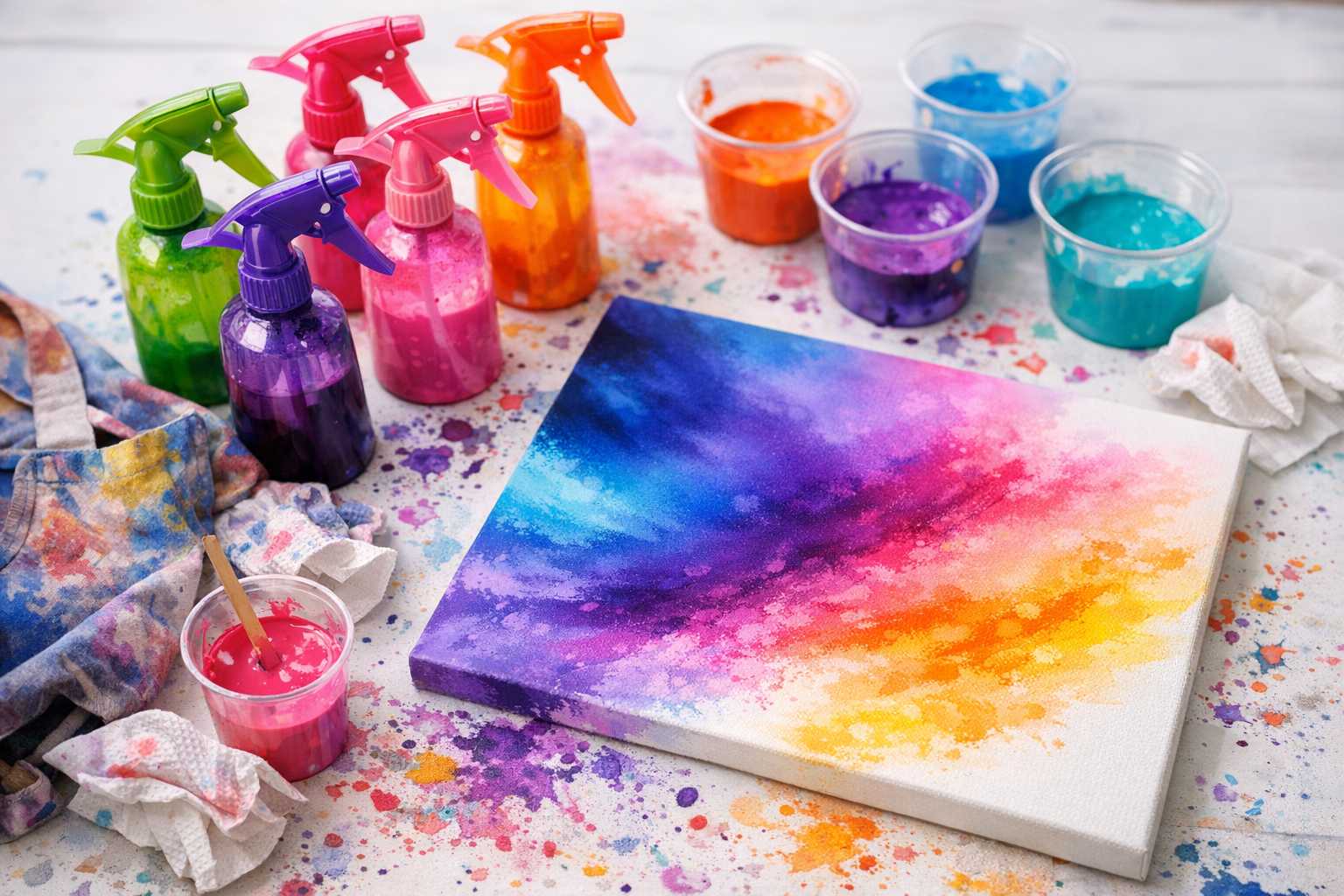
Have you ever mesmerized by the fantastic swirling of colors on a page? Spray bottle art can let you experience this magic firsthand! This beginner-friendly craft remarkably transforms ordinary spray bottles into instruments of art, enabling you to construct stunning, professional-looking effects even on your initial try.
What Makes Spray Bottle Art Enchanting?
Spray bottle art is a form of sheer enchantment. The paint sweeps over your canvas in manners a brush could never mimic. It offers striking gradients, smooth textures, and organic patterns. The best thing? You don't require lifelong lessons to create remarkable pieces.
Moreover, this method is a fantastic way to relieve stress. The tranquilizing watching of colors blending naturally leaves many artists in a meditative state. It's indeed akin to meditating with colors!
Key Requirements for Your Initial Project
Embarking on this rewarding journey is simpler than you believe. Here's what you'd require:
Essentials: - Empty spray bottles (Two to three of varying sizes will do) - Acrylic paints of your preferred shades - Water for blending - Canvas or sturdy paper - Plastic cups for blending - Paper towels - An apron or worn-out clothing
Expert advice: Basic spray bottles from discount stores are fantastic for beginners. Save your cash for superior paints!
Preparing Your Painting Mixture
Mastering spray bottle art lies in achieving the right paint consistency. When the consistency is too dense, it fails to spray, and if too fluid, the colors appear faded.
Begin with a straightforward ratio: one part paint to two parts water. Mix carefully in a plastic cup. Your blend should have the consistency of milk when pouring.
Initially, test your mixture on a scrap piece of paper. Adjust as required by adding extra paint for more intensity, or more water for easier spraying.
Fundamental Spray Bottle Art Techinques
Gradient Technique
This is a fantastic starting point for novices! Choose two colors that you can mix well. For instance, blue and white yield beautiful sky impressions. Yellow and orange create magnificent sunsets.
Start by spraying your lighter shade across the entire canvas. While it's still damp, introduce your darker shade on one side. Witness the colors merge in the center in a natural process, akin to magic!
Layering for Added Depth
After letting your initial layer dry completely, introduce another. It dramatically enhances the depth and complexity. Trying spraying using stencils for striking shapes. Leaves yield gorgeous natural patterns!
Splatter Effect
Position the spray bottle closer to the canvas for a fine mist, or pull back for larger droplets, creating fascinating texture contrasts across your artwork.
Exciting Projects Ideas for Beginners
Undulating Landscapes
Craft captivating landscapes without drawing any lines. Use blues and whites to mimic the sky, browns and greens for earth tones. Let the spray technique form natural shapes like clouds and terrains.
Space Art
This project never fails to impress! Start with black or dark blue paper. Spray white and light blue for star cluster effects. Add purple and pink for a cosmic touch. Finish with white splatter to create stars.
Silhouettes of Flowers
Set actual flowers or paper cutouts on the canvas before you start spraying. Remove them post-painting to reveal stunning silhouettes. This technique pairs wonderfully with sunset-themed color combinations.
Savvy Tips for Superior Results
Spray in thin layers. Though it's tempting to spray heavily, multiple thin coats yield more appealing results. Ensure each layer dries entirely before adding the next.
Protect your workspace. Beware - the spray paint goes further than you imagine! Shield surrounding surfaces using plastics or newspapers.
Clean bottles between colors. Rinecess thoroughly using warm water. A smidgen of dish soap aids in removing stubborn paint residues.
Practice your spray pattern. Test on cardboard initially. Familiarize yourself with how your bottle sprays before moving onto your prime canvas.
Blunders to Sidestep
Refrain from hastening the drying process. Wet layers of paint can lead to muddy shades when blended. A patient approach will yield more vibrant, clean results.
Try not to over mix your paint solutions. A few mild stirs will suffice. Excessive stirring can end up affecting the paint's consistency.
Sometimes simplicity yields better results. The excitement can lead to excessive addition of colors. Occasionally, the most straightforward combinations result in the most stunning effects.
Troubleshooting Spray Complications
Struggling with the spray? Perhaps your paint mixture is too dense. Add a bit more water and test again.
Colors appearing faded? Boost the paint-to-water ratio slightly. Just remember, you can always introduce more layers to enrich the intensity.
Experiencing more of streaks than a mist? Maybe your nozzle is partially blocked. Rinse it with warm water and try again.
Leveling Up Your Art
After mastering the basics, consider integrating different tools. Experiment with sponges for interesting textures or cotton swabs for finer details. Even old toothbrushes can infuse unique effects!
Also, experiment with varying surfaces. Canvas boards, fabric, or watercolor paper can each produce different outcomes. Each surface interfaces uniquely with spray paint.
Contemplate creating a series of related pieces. Grouping three petite canvases featuring similar color schemes can result in a stunning display.
Preserving Your Creations
Let your art completely dry before handling- usually a span of 2-4 hours, depending on the thickness of your paint layers.
The natural sealing property of dry acrylic paint is effective. However, for added protection, consider using a clear acrylic sealer spray. It safeguards against fading and also makes cleaning easier.
Store unframed pieces flat with tissue paper in between to prevent scratches and sticking.
Why Spray Bottle Art is Suitable for All
This method embraces those lovely unexpected mishaps. Those unforeseen color blends often become the most beautiful parts of your art. There are no "wrong" ways in this creation process.
Children adore spray bottle art because it quickly yields results. Simultaneously, adults cherish the soothing quality and professional-looking outcomes. It's indeed an art form suitable for all ages and abilities.
The materials are both affordable and reusable. Once you've acquired your basic kit, you can create numerous artworks just for the cost of paint and canvas.
Begin Your Creative Journey Today!
Spray bottle art unfolds a world of imaginative possibilities. There's no need for costly supplies or extensive training. Simply assemble some paint, water, and spray bottles, and commence experimenting.
Recall that every accomplished artist began as a novice. While your initial piece might lack gallery-quality, it'll certainly be distinctively yours. Above all, you'll have immense fun creating it!
The real beauty of spray bottle art lies in its uniqueness. Each piece, with its distinct flow and blend of shades, can never be accurately replicated, making your artwork as unique as your personality.
So, what's stopping you? Prepare your workspace, blend your first shades, and dive into the gratifying world of spray bottle art today!