Simple Plastic Wrap Painting: Easy Texture Art Guide
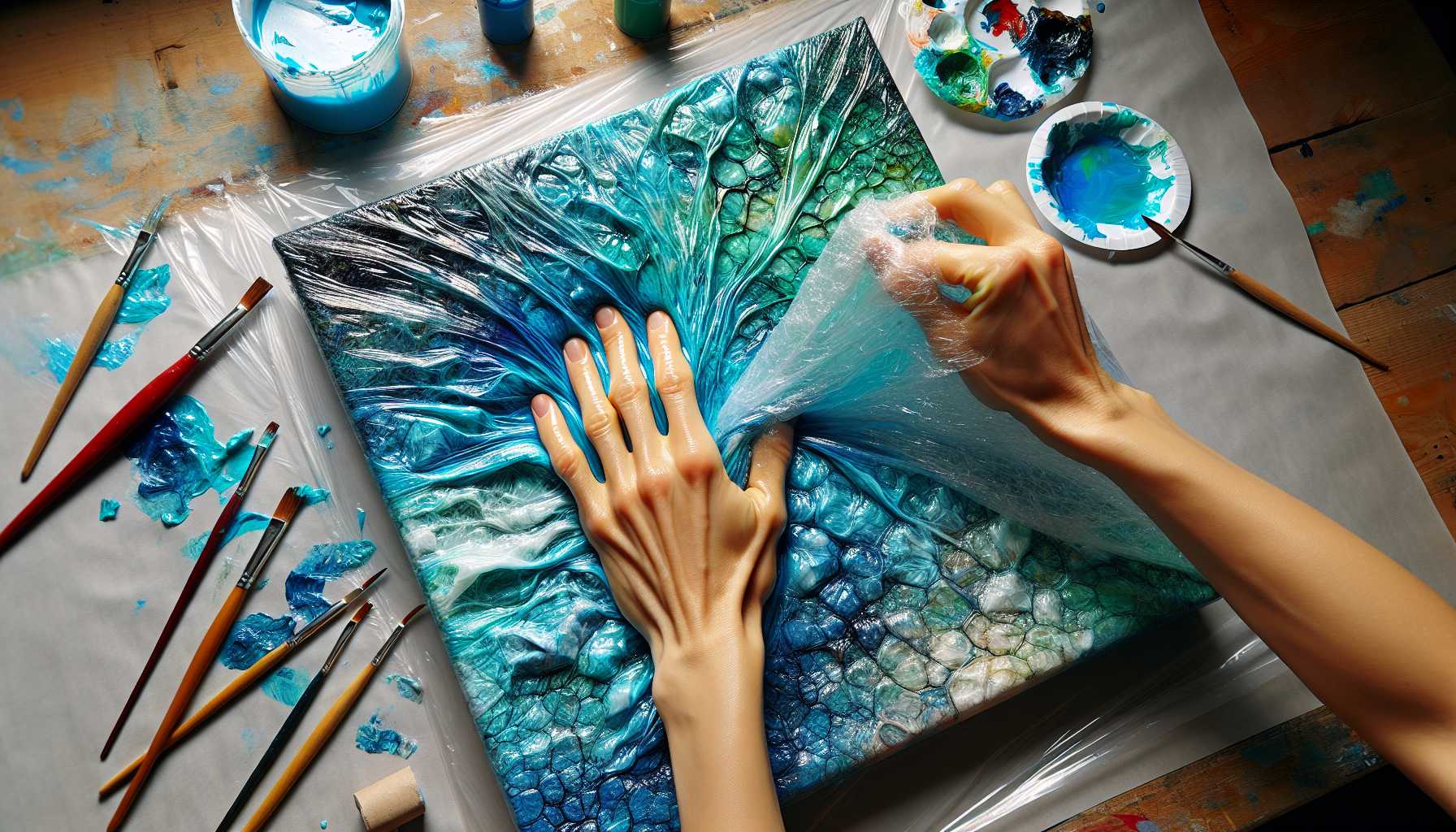
Easy Texture Art Tutorial: Mastering the Art of Plastic Wrap Painting
Ever wished to transform a regular piece of canvas into a textured masterpiece? Without the need for expensive tools or artistic skills, you can create beautiful works of art with plastic wrap painting - a simple, yet incredibly effective, painting method.
The Basics of Plastic Wrap Painting
Plastic wrap painting is an engaging way to inject texture into your artwork. Simply press plastic wrap onto wet paint to generate unique patterns. The resulting textures from the wrinkled plastic will add an impressive professional touch to your artwork.
This method is perfect for beginners and captivating for kids. You won't need pricey art materials nor require extensive training.
Reasons to Try Plastic Wrap Art
The benefits of this technique are aplenty:
- It’s super easy to master
- Can generate impressive, professional-looking art
- Safety assured for children
- Makes use of everyday materials you probably already have
- Ideal technique for abstract art and landscapes
- Adds depth to any painting
Necessary Materials
Assembling all the required items is straightforward. You'll need:
- Acrylic paints (in your favorite colors)
- Canvas or thick paper
- Conventional plastic wrap (kitchen cling film is perfect)
- Paintbrushes
- A water container
- Paper towels
- A palette for mixing colors.
These are items most people commonly have at home which makes plastic wrap painting a highly cost-effective art project!
Step-by-Step Guide
Step 1: Set Up Your Workspace
Begin by preparing your workspace. Utilize newspaper or plastic sheets to protect your table from accidental paint spills.
Ensure all your materials are conveniently close. Pour a portion of paint onto your palette and add a splash of water to maintain paint consistency.
Step 2: Apply Your Base Colors
With a paintbrush make wide strokes across the canvas. Don't stress over achieving perfection at this stage; the final texture will be sculpted with the plastic wrap.
Remember to keep your paint reasonably wet. Drier paint might not be effective with this technique. Add a hint of water if the paint starts to dry up.
Step 3: Prep the Plastic Wrap
Tear off a plastic wrap segment slightly larger than your painted area. Gently crumple the plastic wrap in your hands; more wrinkles will generate more texture. However, avoid making it overly tight!
Step 4: Press the Plastic Wrap
Next, gently press the crumpled plastic wrap onto your still-wet painting, ensuring equal pressure across the entire surface.
Keep it stationary for about 10-15 seconds. Resist any temptation to move it around; doing so could smudge your design.
Step 5: Unveil the Results
Gently and gradually peel away your plastic wrap from one corner.
Watch in awe as stunning textures start appearing. Each effort will have its unique look.
Step 6: Allow to Dry
Allow your artwork to dry thoroughly. This typically takes about 30 minutes to an hour.
Once dry, you can choose to add more details to your liking or appreciate it in its raw, textured beauty!
Exciting Color Combinations
The right color choices can enhance your plastic wrap painting. Here are some enticing combinations:
Ocean Vibes: Blend shades of blue and green with white highlights for perfect seascapes.
Sunset Magic: Merge hues of orange, pink, and purple for enchanting sky effects.
Forest Feel: Mix various greens with brown accents for a rich natural landscape.
Metallic Glamour: Use gold, silver, and copper paints for elegant abstract pieces.
Helpful Tips for Improved Results
Take note of some key pointers to elevate your plastic wrap painting:
Work swiftly while your paint is wet for best results.
Experiment with various types of plastic materials, bubble wrap, for example, creates different textures.
Introduce layers of colors for depth effect.
Avoid applying excessive pressure. Gentle force cultivates better texture results.
Common Mistakes to Steer Clear Of
Avoid falling into common traps of this simple technique:
Not using enough paint: Insufficient paint means disappointing textures.
Taking too long: The plastic wrap needs the paint to remain wet for best results.
Shifting the plastic wrap: Once in place, keep it still.
Hurrying through the steps: Patience often leads to better outcomes.
Exciting Plastic Wrap Art Project Ideas
Here are a few applications to utilize your newfound technique:
Greeting Cards: Design distinct textured backgrounds for personalized cards.
Wall Art: Create a set of small canvases for an exhibition or home decor.
Gift Wrap: Apply the technique to large paper for custom wrapping designs.
Kids' Art: This method is excellent for school art projects or on rainy days.
Mixed Media Art: Combine with other techniques for multifaceted artwork.
Teaching Technique to Kids
Plastic wrap painting is incredibly appealing for kids! It is safe, uncomplicated, and gives immediate results.
Start with vibrant colors that kids usually enjoy. Allow them to choose their color combinations.
Transform the activity into a sensory experience. Children love the sensation of pressing plastic wrap into paint.
Don't emphasize perfection. Applaud their uniqueness and promote experimentation for the best results!
Advanced Techniques to Explore
Looking to advance your plastic wrap painting abilities? Try these advanced techniques:
Multiple Layers: Apply layers of various colors with the plastic wrap technique for a rich look.
Selective Application: Use plastic wrap specifically in certain areas of the painting.
Mixed Textures: Combine the texture of plastic wrap with other tools like sponges or combs.
Blended Edges: Soften certain areas while keeping others highly textured.
Solving Common Challenges
Occasionally things might not go as planned. Here’s some quick fixes:
Paint too Dry: Lightly spray your dry paint with water and promptly continue the process.
Texture too Subtle: Either use more paint or apply firmer pressure on the plastic wrap.
Colors are Muddy: Keep your colors separate on the palette to avoid this.
Plastic Wrap is Sticking: Either use less paint or work at a faster pace.
Preserving Your Finished Artwork
Once your artwork is complete, it’s essential to properly care for it:
Allow it to completely dry before handling to maintain the texture.
Apply a spray of acrylic sealer for extra durability against fading and damage.
Consider framing it behind glass for display, which also protects against dust and moisture.
If not displaying, store it flat to avoid the paint cracking.
Creative Themes for Plastic Wrap Art
A wide variety of subjects can incorporate plastic warp painting:
Abstract Art: Let the textures tell the story without using specific shapes.
Landscapes: Ideal for creating rocky terrains, bodies of water, or cloudy skies.
Backgrounds: Use as a textured backdrop for other painting techniques.
Experimental Art: Combine with collage or drawings for distinctive mixed media pieces.
Concluding Thoughts
The world of creativity highly benefits from plastic wrap painting. This technique, though simple, can transform anyone into a textured artist.
The best part of this technique, you can't do it wrong! Each piece will be its unique masterpiece.
Begin with a simple color palette and basic techniques. As you grow comfortable, feel free to experiment with more intricate processes.
Remember, art ought to be enjoyable and soothing. There's no pressure to create perfection. Enjoy and celebrate your unique creative journey!
Why not grab some plastic wrap and paint today? Your first textured masterpiece could be just minutes away.