Marble Effect Fluid Art: Step-by-Step Tutorial 2026
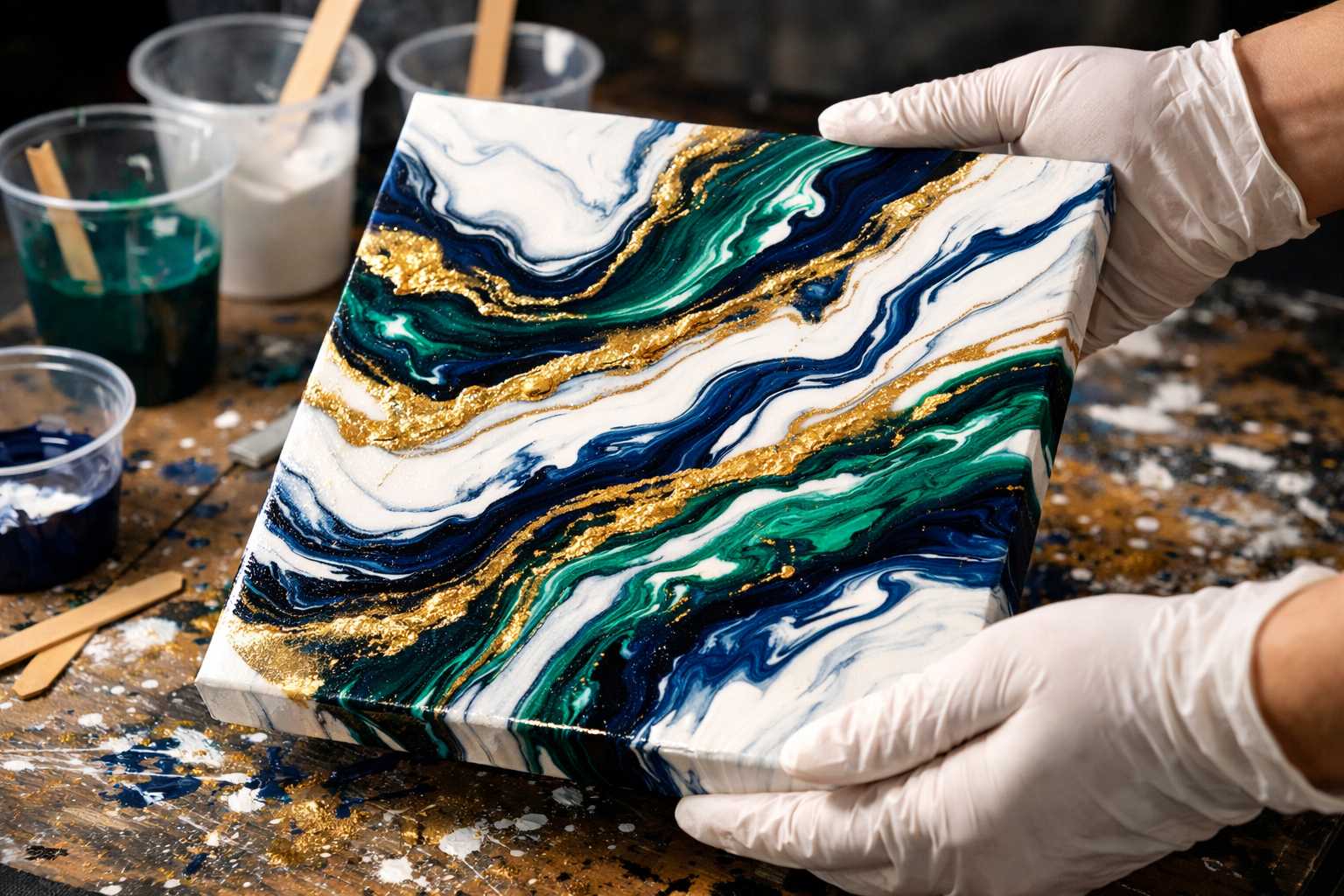
Creating Marble Effect Fluid Art: A 2026 Step-By-Step Guide
Welcome to the vibrant world of marble effect fluid art! Quite the trendsetter, this intriguing art form has become increasingly popular among artists across the globe. Whether you're just venturing into this art form or want to fine-tune your skills, this guide provides in-depth instruction for crafting stunning fluid marble designs.
What is Marble Effect Fluid Art?
Creating a striking resemblance to natural marble patterns, marble effect fluid art involves morphing fluid paint into unique, swirling designs. Each creation is as distinct as real marble formations.
The growing popularity of this art style results from its therapeutic unpredictability. Artists enjoy the anticipation of not knowing how each art piece will ultimately look.
Gathering the Basic Supplies
Before starting your artistic endeavor, it's essential to assemble the following basic items:
- Acrylic paints in a variety of 3-4 colors
- Pouring medium or silicone oil
- Canvas or paper surface
- Plastic cups for mixing
- Wood stirring sticks
- Gloves (strongly suggested)
- Drop cloths or newspaper
- Hair dryer (optional)
Note: Begin with cost-friendly materials while you're learning. Once you're acquainted with the essentials, feel free to shift to higher-quality supplies.
Set Up Your Workspace
A well-organized workspace is key to achieving optimal results. Choose a well-lit area with a good ventilation system and avoid direct sunlight. Use protective coverings for the floor and vicinity as fluid art can be messy!
Ensure your surface is perfectly level as even minor tilts can influence paint flow. Having paper towels nearby for immediate cleanups is helpful.
Step-By-Step Tutorial to Master Marble Effect Art
Step 1: Mixing The Colors
Begin by blending your acrylic paints with a pouring medium using roughly a 1:1 ratio, which may vary depending upon the color. Stir each mixture until it turns smooth. The texture should resemble warm honey. If it’s too thick, add more medium; if too thin, add more paint.
Step 2: Picking Your Pouring Method
There are a few popular methods for making marble effects:
Dirty Pour Method: Pour all colors into one cup, then over your canvas.
Clean Pour Method: Pour each color onto the canvas separately.
Flip Cup Technique: Place your canvas over the cup filled with paint, then simultaneously flip them together.
For those trying for the first time, the dirty pour method is recommended. It is forgiving yet delivers attractive results consistently.
Step 3: Set Up the Base Layer
Position the mixed paints at the center of the canvas and allow gravity to naturally distribute the paint. Gently tilt your canvas to cover all edges. Remember: fluid art thrives best when it’s allowed to take on an organic form.
Step 4: Creating the Marble Pattern
This is the fun part where you create the characteristic veins of marble! Use a clean stick or skewer to gently prod through the paint with long, fluid strokes across the surface. Vary the pressure and direction to resemble natural marble formations.
Step 5: Incorporating Fine Details
For a realistic marble veining, use a thin brush or toothpick to craft delicate lines branching off from the primary veins. These extra touches significantly contribute to achieving an authentic marble appearance.
Remember, sometimes less is more. Learn when to step back from overworking the piece.
Advanced Techniques for 2026
Using Metal Accents
Enhance your marble art with metallic paints. Gold and silver veins set against darker backgrounds can create a splendid contrast. Applying metallics last will have the most dramatic effect.
Experimenting With Temperature
Experiment with how paint reacts at different temperatures. Warm paint flows differently than room-temperature paint, opening new creative possibilities.
Layering Your Art
Working in layers brings depth to the piece. Allow the first layer to partially dry before adding other elements, resulting in an incredibly realistic 3D marble effect.
Common Pitfalls to Beware Of
Excessive paint use: With fluid art, less is usually more. Overdoing it can lead to muddled colors and poor flow.
Rushing: Don’t hasten the process. Allow the paint time to settle and find its own way, which typically results in better outcomes.
Inconsistent paint thickness: Continual variance in paint thickness can lead to unpredictable results. Always test your mixture before diving into the final piece.
Overworking the design: Know when to quit meddling with your paint. Overworking can spoil the organic marble effect.
Troubles You May Face With Marble Art
Difficult Paint Flow
If your paint refuses to flow as desired, it's probably too thick. Add tiny amounts of pouring medium to achieve the perfect consistency.
Muddled Paint Colors
If you notice your colors turning muddy, it's likely due to excessive color usage or overmixing. Stick to using a maximum of 3-4 colors for cleaner results.
Cracks During Drying
Cracks may appear after drying if the paint layer was too thick. Applying thinner layers in your future projects can prevent this.
How to Preserve and Finish Your Art
Give your work at least 24-48 hours to dry completely. Once dried, apply a protective layer of varnish to preserve the colors and add a glossy finish.
Store completed artworks away from direct sunlight and extreme temperatures, ensuring your masterpiece retains its beauty for many years.
Creative Ideas for 2026
Practical Art Projects
Try your hand at creating marble effects on:
- Phone cases
- Coasters
- Bookmarks
- Jewelry pieces
- Home décor items
Combination With Mixed Media
Marble effects can beautifully merge with other techniques like: - Gold leafing - Texture paste - Alcohol ink details - Resin coating
Advancing Your Skills
As the saying goes, "practice makes perfect." Regularly experiment with different color combinations. Document the ones that work well to refer to later.
Consider joining local art groups or online communities. Sharing your techniques and experiences with others is an excellent way to learn and grow. You can also consider enrolling in advanced workshops or online courses; the fluid art community is a welcoming tribe!
A Few Parting Thoughts
Embracing marble effect fluid art opens a world of boundless creativity. Each composition is unique and unpredictable, making every creation exciting. Don't be disheartened if your initial attempts don't live up to your expectations.
Remember, even "unsuccessful" pieces often have beautiful aspects that stand out. Sometimes these unexpected outcomes may become your personal favorites!
Embark on your journey into marble art today. Assemble your materials, prepare your station, and release your creativity. The meditative process of fluid marble art creation might become your new favorite pastime.
Looking forward to seeing your marble masterpieces of 2026. Happy pouring and creating!