Impressionist Color Spots: Advanced Painting Technique
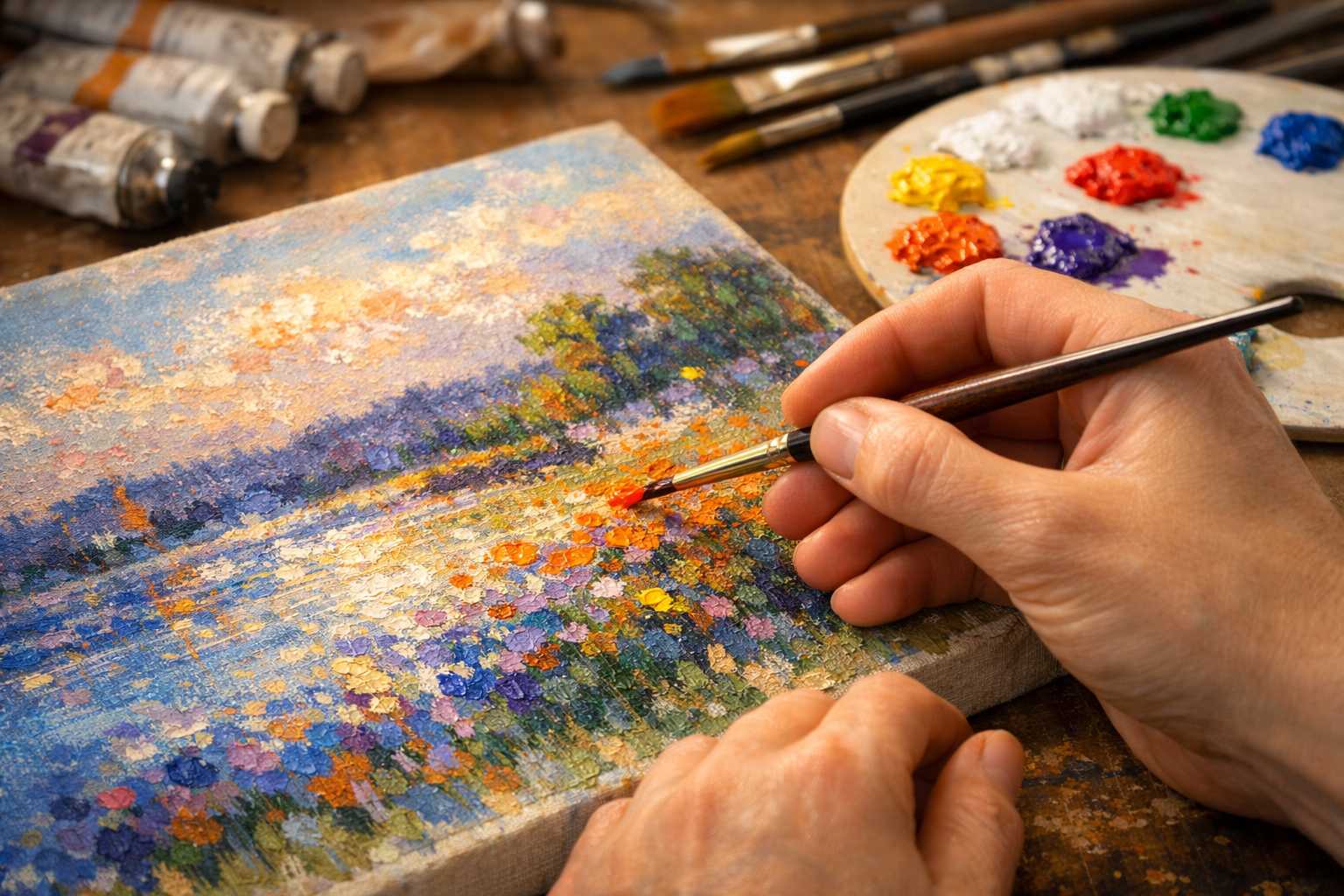
Exploring Impressionist Color Spots: Advanced Techniques in Painting
Have you ever been intrigued by the magical, shimmering effects in Impressionist paintings? Their enchanting quality is attributable to the innovative technique of using color spots. This advanced approach adds a luminous quality to simple brushstrokes, transforming them into extraordinary art pieces. Allow me to guide you through this captivating technique. You'll come to understand why it has such a stunning impact and how you can master it yourself.
Introduction to Impressionist Color Spots
Impressionist color spots refer to small blobs of unmixed, pure color that are strategically positioned on a canvas. Instead of combining colors on a palette, the artists apply pure pigments directly onto the canvas. The viewer's eye does the blending, but only from a distance. This method results in a stunning vibrancy with colors that appear more luminous compared to traditional blending methods, making the artwork come to life. Iconic examples include Monet's water lilies and Renoir's figures in motion.
Understanding the Science Behind Color Spots
The technique is heavily reliant on how the human brain perceives color. When viewed from an appropriate distance, optical blending ensues, with your eyes combining the colors into new ones. This optical mixing provides more vibrant results compared to traditional physical mixing; physical mixing on a palette can result in muddy colors, while optical blending maintains the brightness of each color.
Tools You Will Need
To excel at this technique, you'll need specified tools. Opt for high-quality paints, particularly professional acrylics or oils. The type of brushes you use is crucial - round brushes are ideal for smaller spots, while flat brushes offer a variation in texture. Try out different sizes to find what works for you. Similarly, the texture of your canvas will affect the end result. Medium-tooth canvas holds the paint well, but don't be afraid to experiment with different surfaces to see what you like.
An Introduction to Color Theory
Understanding color relationships plays a vital role in this technique. Complementary colors, when placed next to each other, create visual 'vibration'. Think of blue juxtaposed with orange to create energy. Warm and cool colors have different visual effects - warm colors seem closer to the viewer, while cooler colors seem further away.
Techniques for Using Color Spots
Start with simple exercises, like painting a still life with only small color dabs. Allow each spot to remain unmixed on the canvas. A thick application creates a better result than a thin wash. Painting spots of varying sizes gives additional visual interest.
Advanced Techniques: Spot Placement
The strategic placement of spots can create different effects. Spots following form lend your work dimension and volume, while a random placement provides texture and movement.
Light and Shadow in Using Color Spots
Color spots are excellent for portraying light effects. Use warm spots for sunny areas, and cool spots for shadier ones. Plain black doesn't work well for shadows - instead, use a mix of purples, blues, and dark greens.
Pitfalls to Avoid
Many beginners make the mistake of blending their spots, albeit unintentionally. Each spot should be distinct and separate. Additionally, limit your palette to avoid any potential chaos, and avoid overworking areas as this will result in a loss of freshness.
Progressive Skill Development
Start with simpler subjects like fruits or flowers. As you become more competent, study and attempt to recreate sections of master paintings to hone your skills.
Professional Advice
Maintain consistent lighting conditions when painting, and step back frequently to view your piece from varying distances. Keeping your palette organized and clean will help avoid muddy colors.
Assessing and Improving Your Technique
When you're finished with your piece, spend some time evaluating it from different distances. Each painting has its "sweet spot" where the technique truly shines. Document any successful color combinations you've used as it’ll be beneficial in future.
Continual Knowledge Development
Consider enrolling in workshops with other artists who utilize this technique. Experiment with different subjects and lighting conditions and, most importantly, be patient with yourself.
The Impressionist color spots technique offers exciting creative possibilities. With consistent practice and patience, your mastery of light and color application will transform your artwork. So, don't wait any longer. Start experimenting today and witness your artwork come alive.