Bedroom Wall Art: Easy Painting Ideas for Home Decor
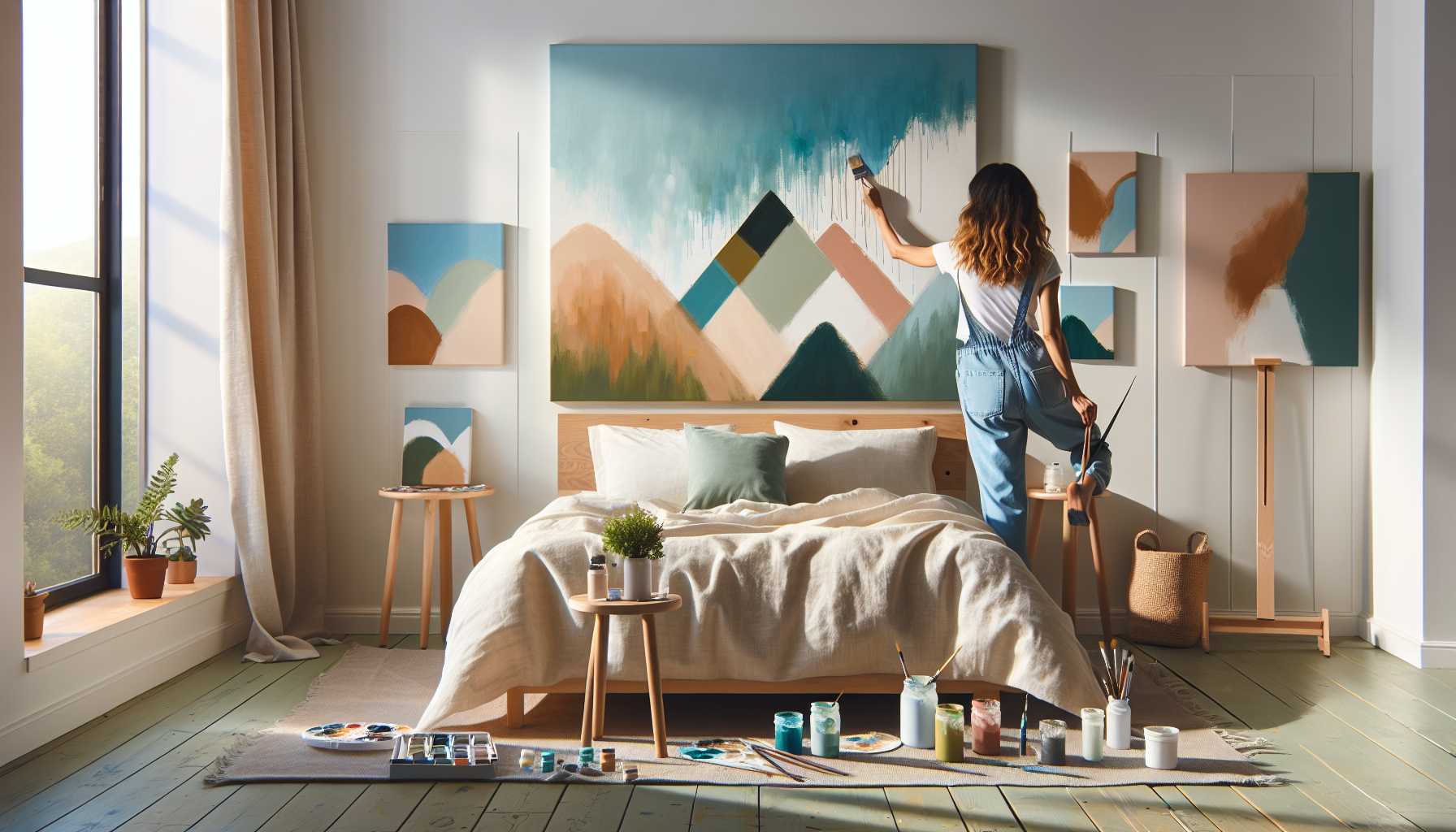
Bedroom Décor: Simple Wall Painting Ideas
Transform your bedroom into your personal haven. Indulge in a creative journey of painting the walls around you. In this article, we share easy painting ideas that can be embraced by all, regardless of their artistic background.
Exploring the Joy of Crafting your own Bedroom Wall Art
Creating your own art is a rewarding experience. It allows you to make your walls speak your personal choices, all within a budget. There's an inexplicable joy in seeing a piece of artwork made by you every day.
Art bought from stores might be pricey and generic. But your own handmade wall art will give your bedroom a unique personal touch.
Venture into Art: The Basic Tools
Starting your painting endeavor doesn't require top-of-the-range art supplies. Here is a list of suggested tools for beginners:
- Canvas or canvas boards (different sizes)
- Acrylic paints color of your choice
- Varying sizes of brushes (flat and round)
- Paper towels for easy cleanup
- Water containers
- Palette for color blending
Many craft stores sell beginner paint kits with all the necessary items included. Look out for sales to save even more.
Simple Techniques for Abstract Painting
Abstract art is enjoyable and beginner-friendly. Errors are seen as part of the art, making it hard to mess up. Try these simple techniques:
Color Blocking
Select three colors that suit your bedroom look. Paint some basic geometrical shapes on your canvas such as rectangles, circles, and triangles. Do not aim for flawless lines. A bit of asymmetry adds to the character and charm. For added artistic creativity, you can layer some shapes on others.
Brushstroke Art
Dip your brush in paint and confidently stroke across the canvas. Use varying pressure and strokes to create movement and vigor in your artwork. Try using colors that gradually blend into each other like blues blending into purples for a soothing, dream-like effect.
Wellness with the Outdoors: Nature-Inspired Painting Ideas
Draw inspiration from mother nature and bring the calmness and tranquility of outdoors into your comfortable bedroom.
Easy Mountain Silhouettes
Mountains are relatively simple to paint. Begin with a light background color representing the sky. Gradually add layers of mountains in darker shades.
To add a professional touch, make each layer slightly different in color and size to give depth to your painting.
Minimalistic Tree Branch Designs
Paint refined branch-resembling shapes against a softer background. Use a thin brush and work patiently. These paintings bear an elegant and sophisticated look.
If you like experimenting, add small leaves or blossoms. A faint pink cherry blossom will create a romantic ambiance in your bedroom.
Adding Dimensions: Textured Painting Techniques
Incorporating texture to your artwork adds an interesting complexity that looks professional. These techniques are simpler than they seem.
Sponge Painting
Use a natural sponge dipped in paint and lightly dab onto your canvas. This creates organic textures. Superimpose various colors for a layered effect.
Sea sponges are a better choice than synthetic ones as they result in more organic, artistic textures.
Palette Knife Art
Instead of brushes, palette knives are used to apply paint, creating bold, three-dimensional textures that beautifully refract light. The technique imparts a modern, refined look.
Start with simple color patterns and gradually build up layers for an engaging dimensional effect.
Create a Gallery Wall: The Art of Arranging Multiple Paintings
A gallery wall of several small paintings often appears more appealing than a single large artwork. Plan your gallery wall before you start painting.
Planning Your Layout
Make paper templates the same size as your future paintings. Put these up on your wall to try out different arrangements. This will save the effort of drilling multiple holes in your wall.
An odd number of paintings is aesthetically more pleasing than an even number. Go for three or five artworks instead of two or four.
Syncing the Colors and Themes
Your paintings should have a common aspect, such as a color scheme, a theme, or a painting technique. This adds harmony without being monotonous.
Avoid making everything match perfectly. A bit of variation will keep the viewer's eye interested and engaged.
Easy on the Wallet: Tips to Save Money
Crafting a beautiful artwork doesn’t always translate to spending heavily. Here are some money-saving strategies:
Shopping Smart
Look for sales during the late summer back-to-school sales when craft stores typically offer discounts between 40-50%. Stock up when prices are at their lowest.
Dollar stores carry basic acrylic paints and brushes at a fraction of the cost. These are perfect for testing and practicing new methods.
Give Old Materials a New Life
Old canvases can be reused by painting over them. A light sanding and a layer of a light color or white paint, and it can be used as a new canvas.
Cardboard can also serve as a painting surface. Apply white paint or gesso as a primer for best results.
Avoid These Common Beginner’s Errors
Learning from other's mistakes can save you from unnecessary frustration. Here are some common pitfalls beginner painters tend to fall into:
Overusing Water
Acrylic paints are best used as they are, directly from the tube. Mixing water can dilute the colors making them appear faded and dull. Use generous amounts of paint to keep the results vibrant.
If the paint feels too viscous, mix in tiny drops of water. Remember, with acrylics, a little water goes a long way.
Not Testing Color Combinations
Before painting on your final canvas, try out your color combinations on scrap paper. Planning ahead prevents disappointment later.
When buying paints, bring photos of your bedroom to match the hues. This ensures your artwork will blend well with your existing decorations.
The Final Touch: Showcasing your Artwork
Give your painting a professional finish with these final steps.
Protecting Your Creation
Using a protective varnish spray can protect acrylic paintings from fading and eases cleaning. Apply an even coat of varnish and remember to let the paint dry completely before varnishing, to avoid streaks and a blurry effect.
Selection of Frames
Opt for simplistic frames over ornate ones. They keep the focus on your artwork. Black, white, or natural wood frames typically match with most painting styles.
Adding matting to smaller artworks can add an elegant touch. Choose neutral mat colors that don’t clash with your painting.
Finding Your Unique Artistic Expression
Crafting your own artwork allows you to discover your unique style. Aim for expressing yourself rather than imitating a famous artist.
Experiment with Freedom
Explore different techniques and color combinations. Keep and build upon what you love, and discard what doesn't resonate with you. You will gradually find out your preferences.
Try creating multiple versions of the same subject. You might be surprised by the unique outcome of each painting, which is part of your personal artistic expression.
Embrace Imperfections
Handmade should look handmade. Perfectly symmetrical and flawless art can appear impersonal. Hand-crafted work embodies charm and character.
What you might initially view as a mistake could end up as your favorite part in your painting, often leading to beautiful, unexpected results.
Keeping It Current: Seasonal Painting Ideas
Update your bedroom with the changing seasons to keep the atmosphere lively and current.
Spring and Summer-Themed Art
For warmer months, lighter, vibrant colors are ideal. Consider soft pastels, sea-side blues, and sunny yellows. You can paint flowers, beach scenes or abstract color fields.
These compositions should feel light and hopeful. Use plenty of white space for a refreshed look.
Fall and Winter Inspirations
During cooler months, deeper colors can create a comforting feel. Burgundy, forest green, and warm brown hues can be used to paint autumn leaves, winter landscapes, or intense abstracts.
These paintings can be more dramatic and introspective, making your room feel like a cozy reprieve from the cold.
Making It a Social Event
Painting sessions can be an enjoyable group activity. Invite friends over for painting parties and everyone can leave with an original artwork for their bedrooms.
Provide basic supplies and a few project ideas to get everyone started. Abstract art is great for groups because everyone's interpretations will be different, resulting in a diverse range of creations.
Conclusion
Creating your own bedroom wall art is a rewarding, affordable, and enjoyable task. You don't need years of training or costly supplies to craft beautiful pieces. Start with basic techniques and gradually learn more complex ones.
Give your bedroom walls the personal touch they deserve with a painting that excites you. Remember, the aim is not perfection, but an artwork that brings you joy each time you view it.
The most intrinsic element in any artwork is your passion and creativity. Trust yourself, enjoy the process, and let your personality be reflected through your brushwork. Your bedroom will be grateful for the personal, artisanal touch that only you can offer.