Figure Painting in Impressionist Style: Essential Guide
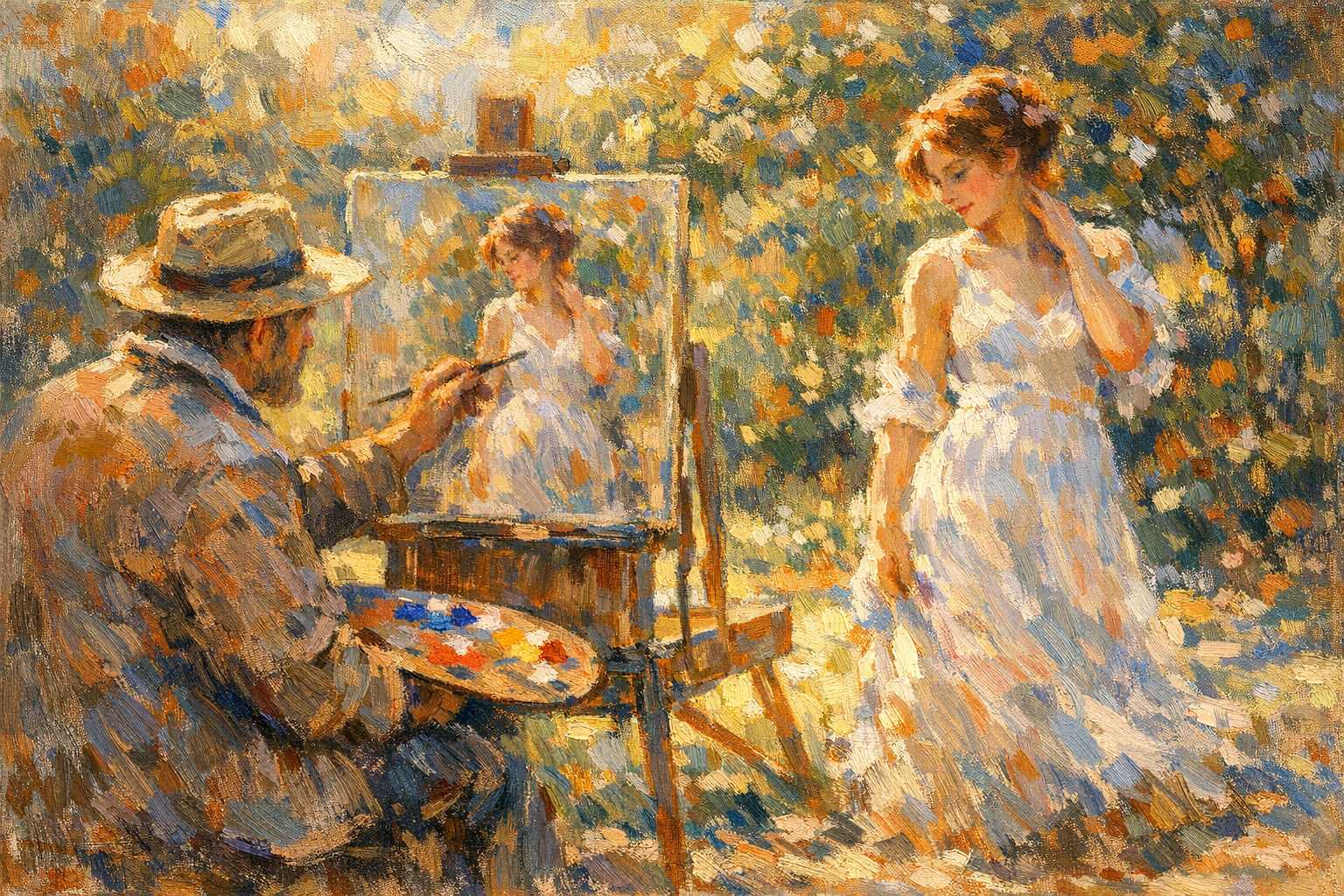
Essential Guide: Painting Figures in the Impressionist Style
Impressionist figure painting showcases the charm of the human figure via the interplay of light and movement. The conventional method of portraiture metamorphoses into a living, magical spectacle through this style. Unlock the mysteries behind these luminous, dreamlike paintings. Let's delve into how to craft enchanting impressionist figures brimming with color and vitality.
The Essence of Impressionist Figure Painting
Impressionism was born in France in the 19th century. Artists such as Renoir and Degas revolutionized our perception of the human body.
The crux of this style revolves around immortalizing passing moments. The artist should paint based on visualization, discarding pre-existing knowledge. The effect of light becomes your main focal point, choosing the figure as its canvas.
The intention isn't to achieve photographic accuracy. The aim is to encapsulate the essence of life, breath of air, and ambiance.
Pivotal Materials for Success
Your choice of brush holds considerable significance. Go for flat brushes in varying sizes to create bold blocks of color. Round brushes are ideal for detailing and creating edges.
Traditionally, oil paints are the go-to medium. They blend seamlessly and stay manageable for hours. Acrylics are fine too, although they dry quicker.
A limited range of colors can work wonders. Experiment with ultramarine blue, burnt sienna, cadmium yellow, and titanium white. These hues can produce an array of flesh tones.
Canvas boards or stretched canvases make superb surfaces. Opt for a slightly textured canvas to hold the paint better.
Mastering Fluency in Color and Light
Impressionist painters see colors everywhere. Shadows are not mere grays or browns. They possess blues, purples, and greens reflected from surroundings.
Observe your subject under various lighting conditions. Morning light casts cool shadows. The afternoon sun bathes everything in golden hues.
Whenever possible, mix colors directly on the canvas. This approach creates vibrant, lively surfaces humming with energy.
Steer clear of black paint. Create darker shades by mixing contrasting colors. This will make your paintings radiate with inner light.
Effective Brushwork Techniques
Apply paint assertively with noticeable brushstrokes. Every stroke should have a purpose and direction. Do not make everything smooth.
Vary the pressure on your brush continuously. Gentle strokes create delicate areas. Robust, loaded brushes yield bold statements.
Follow the human form with your brushstrokes. Enhance bodily structure by painting muscles and curves with complimentary brush strokes.
Leave some portions unfinished. This technique intrigues viewers and draws them into your painting. Their imagination finishes what you began.
Depicting Movement and Vibrancy
Impressionist figures give a sense of vitality and motion. Achieve this with free, invigorated brushwork and strategic color placement.
Paint swiftly and instinctively. Avoid overanalyzing every stroke. Trust initial hunches regarding color and placement.
Emphasize on gesture over detail. A few strategically placed strokes can suggest a hand more effectively than careful detailing.
Learn from observing dancers, children playing, or people walking. These subjects inherently provide the dynamism loved by the impressionists.
Working with Natural Illumination
Whenever possible, opt for outdoor painting. The ever-changing natural light keeps your work invigorating and unplanned.
Choose your lighting wisely. Sideways lighting creates dramatic shadows and highlights. Backlighting forms beautiful rim-light effects.
Race against time to capture specific light conditions. Light varies quickly, especially outdoors. Embrace these fluctuations instead of resisting them.
Use photos as references, but do not lean on them completely. Your eyes can perceive color relations missed by cameras.
Common Errors to Evade
Avoid overdoing your paintings. Impressionist art thrives on impulsiveness and freshness. Learn to recognize when to stop.
Resist the urge to focus on details too soon. First, establish the overall color harmony. The detailing can wait.
Refrain from using muddy colors. Keep your mixtures clean and vibrant. If areas become muddy, scrape them off and start anew.
Never overlook the background. It should complement and augment your figure, not compete with it.
Cultivating Your Impressionist Abilities
Begin with easy poses and clear lighting. Hone basic skills before venturing into complex compositions.
Grasp color mixing through daily practice. A comprehensive understanding of color interaction is vital for success in impressionism.
When possible, study master paintings firsthand. Reproductions fail to display the actual brushwork and texture of the paint.
Join plein air painting groups. Painting in the company of peers provides motivation and valuable input.
Advancing Your Artistic Journey
Experiment with varied subjects. Paint children, the elderly, and athletes. Each offers unique challenges and pleasures.
Try painting the same figure under different lighting conditions. It remarkably enhances your color sensitivity.
Consider attending workshops hosted by expert impressionist painters. Personal guidance notably quickens your learning process.
Record your progress with photographs. With consistent practice, your skills will develop at an astonishing pace.
Embarking on Your Impressionist Voyage
Impressionist figure painting offers infinite rewards for dedicated artists. Each painting imparts a new lesson about light, color, and the human body.
Embark on painting today, even if you feel unready. The best way to learn impressionism is by doing it. Stumble, learn from your mistakes, and continue painting.
Your unique perspective bears significance. While studying the masters lays the foundation, your personal interpretation makes your art unique.
Remember that impressionism celebrates the fleeting beauty of moments. Cherish spontaneity, trust your instincts, and let your paintings dance with light and life.