Medicinal Plant Illustration: Botanical Art Reference Guide
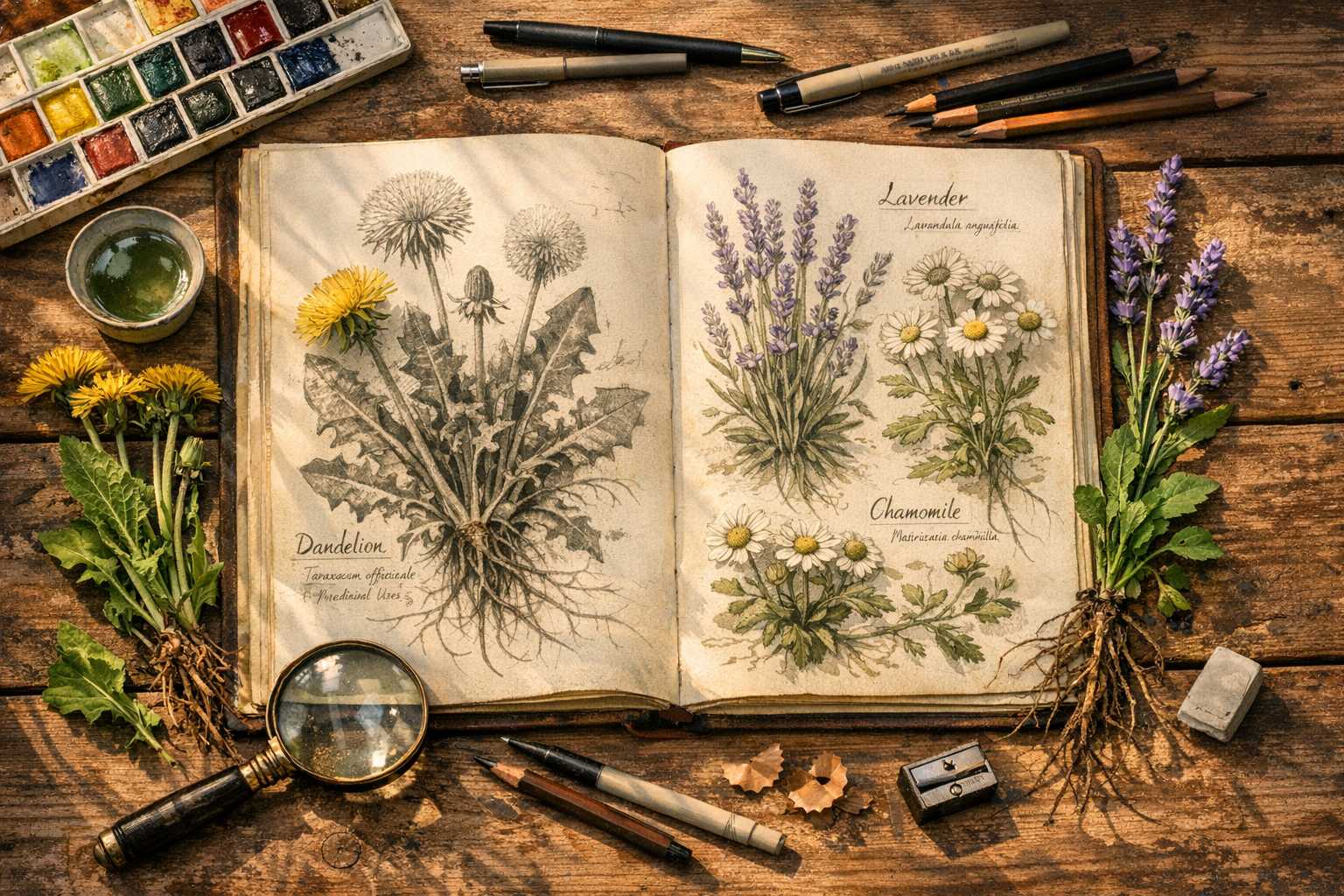
A Comprehensive Guide to Medicinal Plant Illustration: Botanical Artistry
Crafting exquisite illustrations of medicinal plants is both an aesthetic and scientific work. Regardless of whether you're an amateur in art or an experienced counterpart, this reference guide is dedicated to help you refine your skills in botanical artistry.
Importance of Illustrations in Medicinal Botany
Illustrations of medicinal plants serve multiple vital roles. They aid in preserving traditional wisdom about curative plants. These visual records created by artists are valuable resources for scientists and herbalists.
Such meticulous art pieces effectively connect the realm of art and medicine, rendering intricate botanical information accurately and aesthetically pleasing, thus accessible to all. Each piece is also a visual treat to the eyes!
Must-Have Essentials for Botanical Illustration
Commencing your journey in botanical artistry need not be costly. Here are some fundamental tools required:
Basic Art Tools: - High-grade pencils (2H, HB, 2B) - Fine-tipped pens - Smooth-textured drawing paper - Efficient eraser - Magnifying glass
Digital Art Tools: - Graphic tablet - Illustration software - High-resolution scanner - Digital stylus
Prioritize tools that are comfortable to use. The best art equipment is the one you'll actually use persistently.
Prioritize Subject Study: The Basis
Inspect the plant closely before venturing into drawing it. Perceive your subject from various perspectives. Observe how leaves are attached to stems or how flowers sprout from branches.
Photograph your subject for reference. However, remember that direct observation of fresh plants uncovers details often concealed in dried samples.
Start with preliminary sketches. Strive for understanding the plant's structure rather than achieving perfection at this stage.
Vital Anatomical Features to Convey
Each medicinal plant possesses distinct features. Spotlight on these significant elements:
Leaf Characteristics: - Variations of shape and size - Vein patterns - Edge textures (smooth, serrated, lobed) - Surface texture (smooth, fuzzy, waxy)
Floral Attributes: - Arrangement of petals - Structure of stamens and pistils - Color gradations - Size interrelationships
Root Systems: - Overall shape - Branching patterns - Storage organs - Connection to the stem
Effective Drawing Techniques
Initiate with faint, free-hand strokes. Gradually incorporate details. This method helps in avoiding overwhelming concentration on minute aspects.
Opt for cross-hatching technique for portraying shadows and depth. Display differing textures with variations in the line weights. Use thick lines for primary structures and fine lines for delicate details.
Pay heed to negative space. The areas surrounding the plant are crucial in deciding the overall composition.
Importance of Color Theory in Botanical Art
Color comprehension is key to making your illustrations eye-catching. Learn about contrasting colors. For instance, green leaves appear more lively beside red flowers.
Perceive how light influences plant colors. Light varies at different times of the day. Indoor lighting alters appearances significantly.
Test your color mixing skills with miniature swatches first. This paves way for time and material-saving in the long run.
Common Missteps to Steer Clear of
Many beginners tend to rush into details. It’s advisable to assemble the drawing systematically. Begin with the basic shape.
Keep proportions in check. Measure correlations between diverse plant parts. Your magnifying glass assists more than just for viewing details.
Refrain from rendering all aspects with the same shade. Plants possess bright, medium, and dark areas. Such differences impart depth.
Traditional and Digital Methods: Pros and Cons
Both techniques come with their own benefits. Traditional methods offer a direct connection with the subject, providing an inexplicable magic of pencil on paper.
Digital tools, on the other hand, grant adaptability. Errors can easily be rectified. Different layers facilitate risk-free experimentation.
Several artists integrate both techniques - initial sketch in traditional method followed by a digital finish. Explore what suits your style best.
Information and Reference Resources
To draw accurately, rigorous research is imperative. Utilize several reference sources and also cross-reference to ensure the validity of the information as accuracy holds paramount importance in medicinal plant illustration.
Resourceful References Include: - Botanical gardens - Herbarium specimens - Scientific publications - Field guides - Online plant databases
Curating Your Illustrative Portfolio
Record your evolution with photographs. Maintain a sketchbook particularly for plant studies, which will act as invaluable reference material down the line.
Publicize your artwork online. Social media platforms highly appreciate botanical art. Be part of artist communities for constructive feedback and inspiration.
Think about specializing in specific plant families. Being recognized for unique expertise can pave the path for professional ventures.
Professional Opportunities
The demand for quality medicinal plant illustration is ever-growing. Artwork is needed for publishers for books and magazines. Researchers need accurate scientific illustrations.
Herbal product companies often seek customized art. Educational institutions hire botanical illustrators for educational content.
Museums and botanical gardens consistently need proficient artists.
Safeguarding Traditional Knowledge
Your artistic representations go a long way in safeguarding vital cultural knowledge. Many medicinal plants are threatened due to habitat degradation. Your artwork creates enduring records.
Indigenous communities highly appreciate precise plant documentations. Consider partnering with traditional healers and ethnobotanists.
This job holds substantial cultural and scientific values. You're not merely creating beautiful images but safeguarding knowledge for forthcoming generations.
Embark on Your Journey Today
Commence with familiar medicinal plants in your locale. Dandelions, plantains, and clovers serve as perfect introductory subjects. They're easy to access and forgiving for beginners.
Establish a consistent practice routine. Even 15 minutes daily can help hone skills rapidly. Regularity trumps long, occasional sessions.
Join local botanical art communities, if available. Collaborative learning accelerates your progress and provides a fun element.
Remember, every expert was once a novice. Be patient with your learning journey. Aim at gradual progress rather than chasing after perfection.
Your journey into the fascinating world of medicinal plant illustration begins with a single sketch. Grab your pencil and start today. The plants eagerly await your artistic portrayal of their healing splendor.