Garden Scene Mastery: Impressionist Flower Painting
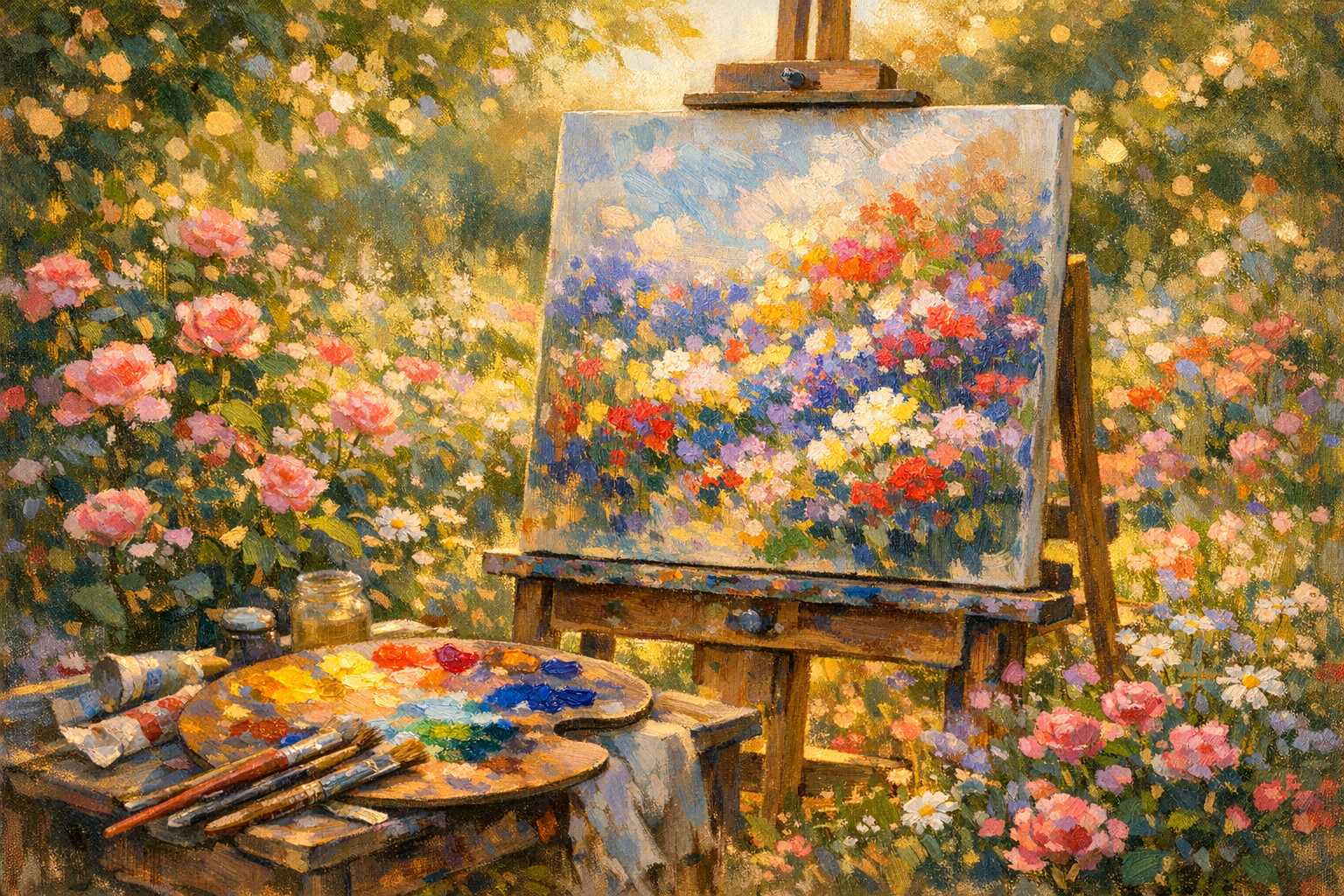
Exploring the Art of Garden Scenes: How to Create Impressionist Floral Masterpieces
Have you ever found yourself lost in the enchanting charm and overwhelming beauty of a garden? That magical sensation is what impressionist painters aspired to recreate. In this comprehensive guide, you'll learn how to paint flowers in the impressionist style.
A Bird's Eye View of Impressionist Floral Artwork
Impressionism revolutionized the world of art. Artists including Monet, Renoir, and Caillebotte offered a new approach to painting flowers, focusing on the interplay of light, color, and emotion over minutiae.
The art movement emerged in France in the 1860s, driven by artists who were eager to paint outside and capture the characteristics of natural light. Through loose brush strokes and vivid colors, they fashioned paintings bursting with life and dynamic vibrance.
When painting flowers the impressionist way, aim for a sense of spontaneity over elaborately detailed petals. Center your attention on the overall atmosphere and mood of the scene.
Basic Supplies for Painting Garden Scenes
You don't need an elaborate costly collection of art supplies to get started. For a successful impressionist flower painting venture, here's a list of essential materials:
Paints: - Cadmium yellow - Ultramarine blue - Alizarin crimson - Titanium white - Viridian green - Burnt umber
Brushes: - Flat bristle brushes (sizes 6, 10, 14) - Round brushes (sizes 4, 8) - A palette knife for mixing
Canvas: - A pre-primed canvas or canvas board, an 11x14-inch size is suitable for beginners
Despite the possible range of tools and colors, simplicity is key. Great impressionist artists frequently used limited palettes to create a sense of harmony in their garden depictions.
Understanding Color Theory for Floral Artwork
The magic of impressionist floral painting lies within the color palette. Grasping the principles of color relationships can transform your artwork.
Primary Colors: The foundation of color mixing lies in the primary colors: red, blue, and yellow. From these, secondary colors - orange, green, and purple - can be created, adding depth to your garden scenes.
Color Temperature: Warm colors (reds, oranges, yellows) seem to move towards the viewer, while cool colors (blues, greens, purples) aesthetically recede. Utilize this information to instill depth in your artwork.
Complementary Colors: Opposite colors on the color wheel can create an exciting color vibration. Place red flowers near green leaves or juxtapose purple shadows with yellow blooms to let the colors dance.
Before diving into painting, practice color mixing. Creating color charts is a useful way to gain familiarity with color blending, a skill that will enhance your future works.
Mastering the Play of Light and Shadow
The transformation of an ordinary garden scene into a masterpiece happens through effective light and shadow capture, a technique that fascinated impressionists.
Golden Hour Magic: Capturing the subtle changes in light during early morning or late afternoon - the 'golden hour' - makes your impressionist flower painting come alive.
Shadow Colors: Shadows do not consist solely of gray or black. Observe shadowed areas and discover hues of purples, blues, and reflected colors bringing your garden scenes closer to reality.
Reflected Light: Flowers reflect light onto one another. A white rose might cast a pink reflection onto surrounding petals, while red flowers create warm glows onto leaves.
Squint Technique: This simple technique involves squinting to simplify complex patterns of light, making it easier to discern the primary shapes of light and shadow.
Brushwork Techniques and Texturing Methods
The true essence of the impressionist style lies in your brushwork. Different strokes yield varied textures and effects in floral paintings.
Broken Color Technique: Instead of thoroughly mixing colors on your palette, apply them separately, side by side on the canvas. When viewed from a distance, the colors blend optically, creating a vibrant, shimmering effect.
Directional Strokes: Align the direction of your brushstrokes with the form you are painting. Paint petals with curved strokes and stems with vertical strokes to imbue structure into your work.
Varied Pressure: Apply varying pressure to your brush to produce different effects. Firm pressure creates bold, thick strokes, while light pressure is perfect for delicate details.
Dry Brush Technique: Remove most of the paint from your loaded brush, then drag the dry brush across the canvas. It results in a broken color effect ideal for portraying light-dappled flowers.
The Art of Composition in Garden Scenes
A well-composed painting draws viewers in. Here are some proven techniques:
Rule of Thirds: Visualize your canvas divided into nine equal parts. Align crucial elements along these lines to avoid centering everything, resulting in more dynamic compositions.
Focal Points: Select a primary flower or a cluster of flowers to serve as the centerpiece. Make it prominent through size, brightness, or detail. Other elements in your painting should complement this focal point.
Leading Lines: Utilize paths, fences, or flower beds to guide viewers' eyes across your painting.
Creating Depth: Detailed, sizeable foreground flowers and blurry, smaller background elements can create a sense of depth in your painting. Use overlapping shapes to suggest distance in your garden scenes.
A Step-By-Step Guide to Creating a Garden Scene
Excited to bring your first impressionist flower painting to life? Here's a straightforward process:
Step 1: Sketch Lightly With a thin brush and diluted paint, start by outlining the largest flower masses and basic shapes. Keep the sketch loose and simple.
Step 2: Block in Shadows First, paint the darkest shadow areas using thin paint and broad brushes. This step helps establish the overall pattern of light and dark values.
Step 3: Add Middle Tones These are the areas between the highlights and shadows. Quick work while the paint is still wet helps create form in your flowers.
Step 4: Capture the Lights Add your brightest colors last, using thicker paint to highlight areas. This technique creates striking textures and draws the eye.
Step 5: Refine and Soften Finally, step back and evaluate your painting. Add necessary final details and use a clean, dry brush to blur any harsh lines.
Common Mistakes You Should Avoid
Creating impressionist flower paintings is an iterative process that takes time and practice. Steer clear of these common slip-ups:
Overworking: Knowing when to stop is crucial. Impressionist paintings should convey spontaneity. Overworking them with excessive detail detracts from the charm.
Muddy Colors: Avoid blending too many colors together, keep the mixtures simple. Always clean your brush between color changes.
Perfect Symmetry: Nature isn't perfectly symmetrical. To create more natural garden scenes, vary the sizes and placements of your flowers.
Ignoring Edges: Vary the edges in your painting. Some parts require sharp, crisp edges, while others need softer, more blurred ones. This adds intrigue and depth to your artwork.
Advanced Techniques for the Experienced Artist
Feeling confident enough to take your skills to the next level? Try these advanced strategies:
Alla Prima Method: Try to complete your painting in one session while the paint is still wet, allowing for seamless color blending. It's a technique favorite among impressionist masters.
Scumbling: This technique involves dragging dry paint lightly over existing layers of paint, creating atmospheric effects ideal for garden scenes. Use this for effects like morning mist or dappled sunlight.
Impasto Technique: Application of thick paint with palette knives or brushes creates an interesting texture and beautifully catches the light. Use it sparingly to maximize its impact.
Color Temperature Shifts: In light areas, use warm colors, while cool colors work best in shadows. This simple trick brings your impressionist floral painting to life.
Discovering Inspiration in Renowned Pieces
Studying the works of the masters can significantly enhance your garden scene creations. Here are some artists worth exploring:
Claude Monet: His series capturing water lilies exemplifies the perfection of impressionist flower painting. Notice how he distilled complex scenes into patterns of color and light.
Pierre-Auguste Renoir: Renoir's floral artwork exudes warmth. His use of warm and cool colors to create depth and atmosphere is worth studying.
Gustave Caillebotte: Caillebotte's garden scenes exhibit a unique balance between structure and impressionist freedom. Pay close attention to how he composed intricate flower beds.
Visiting museums, when possible, can provide invaluable lessons about brushwork and color blending. Where allowed, take photographs for future reference.
How to Cultivate Your Unique Style
Your impressionist floral painting should echo your personal vision. Here's how you can develop your signature style:
Play with Colors: Experiment with unexpected color combinations, like making your roses blue or your leaves orange. Individual interpretation makes art captivating.
Distinctive Brushwork: Develop consistent patterns with your brushwork. Some artists prefer short, choppy strokes while some are fond of long, flowing movements.
Subject Preferences: Specialize in flowers that inspire you. Whether you love wild meadows or formal rose gardens, focusing on your favorites enhances both your expertise and audience recognition.
Express Emotions: What feelings do flowers evoke in you? Whether it's joy, peace, or nostalgia, let these emotions guide your choices of color and brushwork.
Maintaining Consistent Practice
Continual practice is the fastest route to improving your impressionist floral painting. To stay driven, try these methods:
Start Small: Initiate by dedicating just 30 minutes a day to painting, a more practical approach than lengthy weekend sessions.
Garden Journaling: Maintain a journal for sketching flowers in their different seasonal states, observing changes in color and lighting conditions. This will enhance your visual memory.
Join Artistic Communities: Foster connections with other artists through online or local communities. Share your work, receive feedback, and uplift each other.
Realistic Goals: Set achievable goals like completing one small flower painting every week. This method builds confidence and momentum.
Wrapping Up
Impressionist floral painting is an enchanting way of capturing the ephemeral beauty of garden scenes. You've now gained insights into critical techniques involving color, light, and brushwork. Remember, you're striving to paint what you feel, not just what you see.
Begin with simple subjects before gradually moving on to more complex garden scenes. Study the masters, practice regularly, and remind yourself to enjoy the process of transforming blank canvases into beautiful floral masterpieces.
Your journey towards mastering garden scenes begins with your first brush stroke. So pick up that brush and start painting today - the flowers are awaiting their chance to bloom on your canvas.