Easy Leaf Print Painting: Nature Art for Beginners
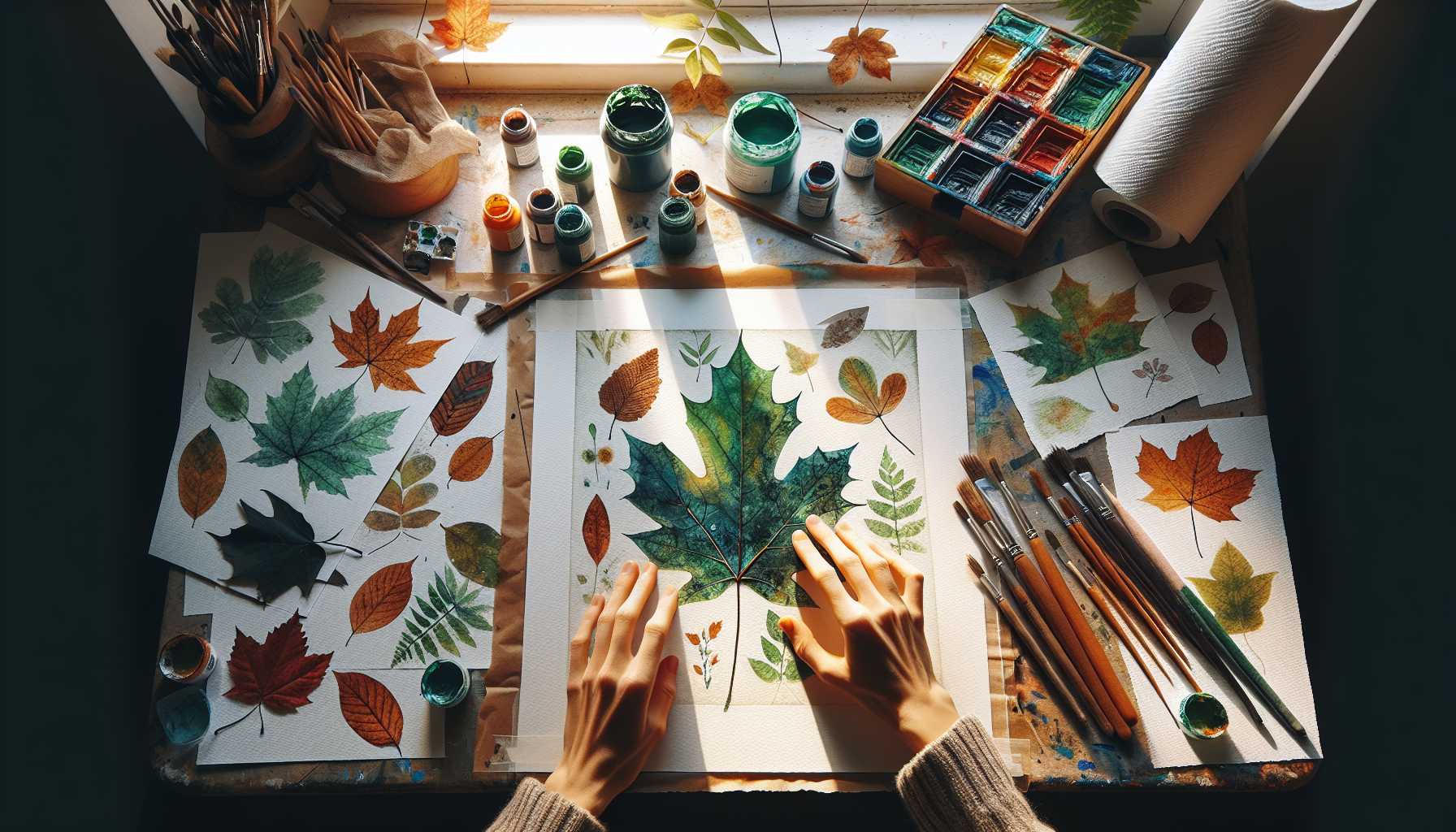
Discover the Art of Leaf Print Painting: A Beginner's Guide to Nature Art
Have you ever been curious about how to translate the beauty of nature onto paper? The art of leaf print painting could be the perfect introduction for you! This straightforward and satisfying art form merges the splendor of the outdoors with your own creativity. There's no need for extravagant materials or years of artistic expertise. All you need are leaves, some paint, and a good dose of enthusiasm.
What Makes Leaf Printing a Unique Art Form?
Leaf printing offers a direct connection between you and the elements of nature. Every print that you create will be as unique and individual as the leaf used to make it. The intricate textures that emerge on the paper create stunning patterns that simply can't be replicated by hand. It's not only a relaxing and affordable hobby, but once the creativity takes hold of you, it can be wonderfully addictive too!
Take my example: I stumbled upon this technique during a walk with my daughter. As she was collecting maple leaves, it sparked the thought, "Could we make art with these?" From that afternoon onward, our weekends have been infused with the joy of creating beautiful leaf prints.
What Supplies Do You Need?
Most likely, you already have most of the necessary materials around the house. Here's a quick rundown:
- Fresh leaves (a mix of shapes would be best)
- Acrylic paint or watercolors
- Paper (ideally watercolor paper)
- Paintbrushes
- Paper towels
- A flat surface for printing
Don't overcomplicate it when it comes to the supplies. Even your simple craft paint will do the trick. The real miracle happens when paint meets the texture of a leaf.
Picking the Perfect Leaves
For the best results, select leaves that have prominent veins and feature intriguing shapes. Leaves like Oak, Maple, and Ferns tend to leave gorgeous imprints. Try and avoid any wilted or damaged leaves, they don't hold onto the paint very well.
Fresh leaves are usually more advantageous than dried ones. They're more flexible, making them more adaptable to the paint and the paper. Gather an assortment of different sizes to create a variety in your artwork.
Encountering the Process of Leaf Printing: a Step-by-Step Guide
Setting Up Your Workspace
Choose a spot with ample lighting to set up your workspace. Shield your work surface with a layer of newspaper. Have a container of water handy to aid in cleaning your brushes. Keeping things organized will help streamline your process and enhance your enjoyment.
Placing Paint on Leaves
Lay your leaf with the vein-side facing upwards. This side tends to have the most texture. Use a paintbrush to gently but evenly apply the paint. Stay away from excessive paint - it can lead to blotchy prints. Try to think of it in terms of spreading butter on toast - just enough to cover.
Printing the Leaf
Carefully flip the painted side of the leaf onto the paper. Apply slight but firm pressure. Use your fingertips to push down the edges of the leaf, being mindful not to move it around and cause smudging.
Unveiling Your Artwork
Slowly lift the leaf off the paper starting from one end. Half the fun comes from the anticipation! Each print sparks wonder as it reveals a new and beautiful pattern. Don't stress if the result isn't flawless - it adds charm.
Recommended Creative Techniques to Experiment With
Blending Colors
Try using multiple colors on a single leaf. Apply different hues to separate sections of the leaf. The results can be breathtaking and unpredictable. Pairings like blue and green make a stunning combo.
Overlapping Prints
Add depth to your artwork by superimposing prints. Start with lighter colors, before layering darker colors on top. This method can create a piece that's truly gallery-worthy.
Incorporating Background Effects
Try painting your paper first, then layer leaf prints over it. Warm, sunset colors make a dazzling backdrop for darker leaf silhouettes.
Primer for Beginners: Mistakes to Avoid
The most common error is using too much paint, which can camouflage the leaf's inherent texture. Start with a small amount - you can always add more as needed.
Using old, dried out leaves often leads to frustration for beginners. Fresh leaves are more flexible and grip paint more evenly.
Take your time with the pressing process. Rushing can result in unclear prints. Apply steady and even pressure across the whole leaf.
Preserving Your Leaf Artwork
Wait for your prints to thoroughly dry before you move them. This typically takes somewhere between 15-30 minutes. You can frame your favored pieces to shield them from fading. UV-protective glass can help the colors stay vivid for longer.
Keep unframed prints flat and sandwiched between sheets of acid-free paper to prevent warping and damage. With the right care, your artwork can last for years to come.
Exciting Ways to Use Your Leaf Prints
Leaf prints are a wonderful idea for homemade greeting cards - friends and family will appreciate the sentiment of a handcrafted piece of art. They're a thoughtful gift for nature enthusiasts and fellow art-lovers.
You might also consider creating a seasonal art series. Nature's differing palettes from summer greens, fall oranges, and spring pastels can narrate a year-round story.
Bookmarks, gift tags, or a collection of wall art are just some of the limitless possibilities when you get creative with leaf printing.
Involve Your Kids in Leaf Printing
Children enjoy this activity as it's a tactile, and a pleasantly messy way to learn about nature and foster creativity. Leaf printing even helped my kids identify different leaf shapes.
For your little ones, start off simple. Use larger leaves and basic colors, and let them play around - their creative instincts might surprise you.
Ideas for Seasonal Leaf Printing
Each season can bring its own unique inspiration. Spring provides tender new leaves that create delicate prints. Summer leaves offer a full, rich texture. Autumn's vivid colors and shapes provide a dramatic twist, and even winter evergreens can create exciting and unique patterns.
Incorporate outdoor leaf-collection trips as part of the fun art-making experience.
Advance Your Skills
Once you get the hang of the basics, consider mixing mediums. Combine leaf prints with watercolors or colored pencils. Adding extra details or backgrounds can transform your prints into comprehensive pieces of art.
Don't be afraid to experiment with various types of paper - textured surfaces can create remarkable effects. You could even try fabric printing for even more exciting opportunities.
The Importance of Leaf Print Painting
In the midst of our electronic age, physical creativity like leaf printing can be truly rewarding. It encourages us to slow down, connect with nature's rhythms, and ground ourselves. It's a mindful activity that can be incredibly soothing.
Not only is this art form cost-effective, but it also instills confidence and cultivates patience, while creating long-lasting memories.
Dive Right In!
Without further delay, embark on your creative journey! Simply pick up a leaf from your backyard, find some paint, and paper and you could be creating your first leaf print in no time.
Great art is created when we let go of the need for perfection and embrace the imperfections - they contribute to the uniqueness of your prints.
Remember, all masters start out as novices. Your first print may not be worthy of a gallery exhibit, but it's a beautiful start to your creative journey. Nature offers limitless artistic lessons. All you need to do is step outside and get started.