Urban Minimalist Painting: City Scenes Made Simple
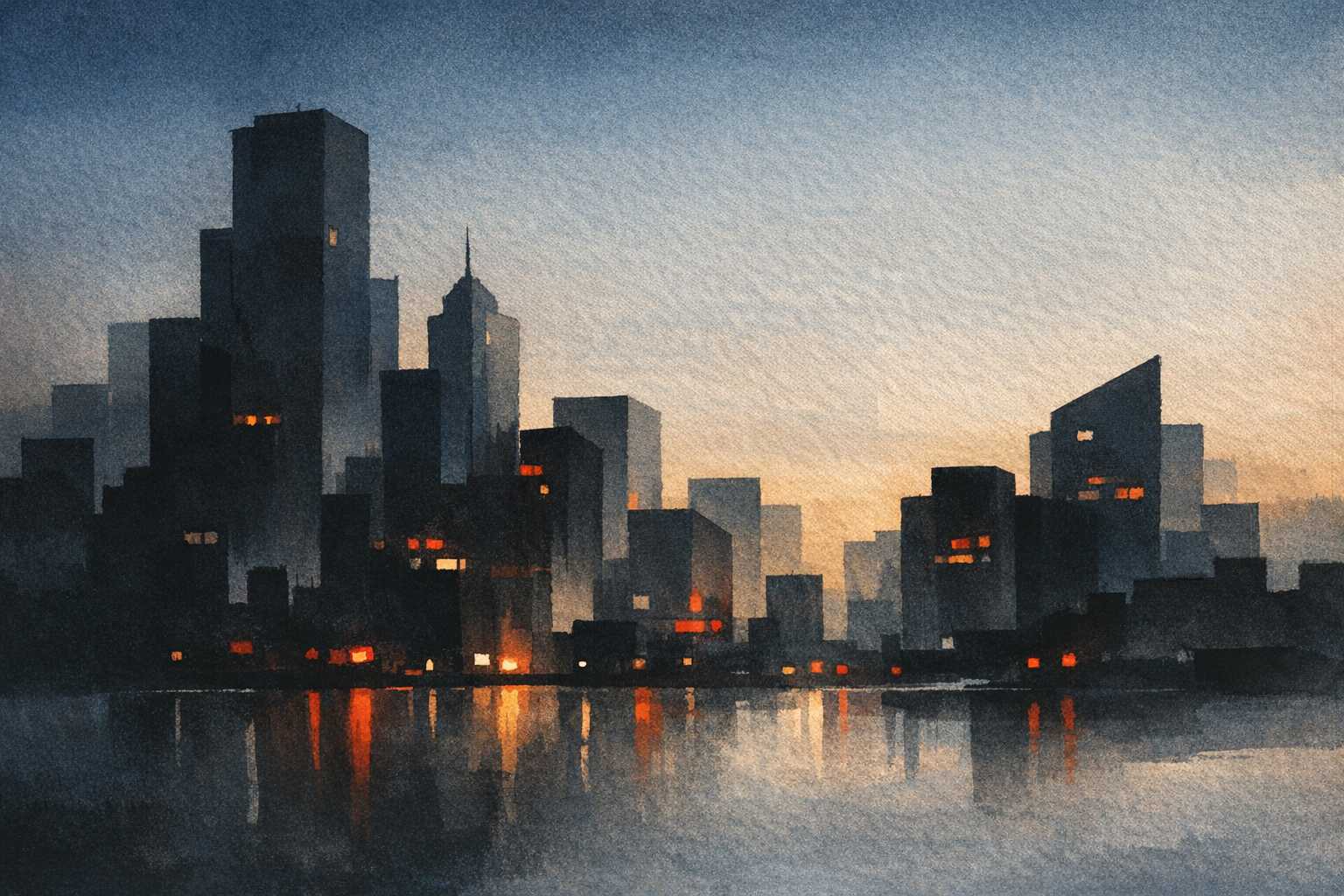
The Beauty of Urban Simplicity: Exploring City Scenes Through Minimalist Art
Cities are bustling hubs teeming with towering structures, hurrying people, and a multitude of details waiting to be explored. But imagine encapsulating the spirit of city life in a handful of simple strokes? This is the magic of urban minimalist painting—a form of art that peels away the layers of urban clutter to discover the beauty in simplicity.
The Unique Appeal of Urban Minimalist Paintings
The key to urban minimalist painting is capturing the essence, not the detail. You might paint the outline of a towering skyscraper rather than each individual window, or suggest a mood through a select few elements instead of creating an intricate street scene. It's this subtlety that gives minimalist artwork its potency, allowing viewers' imaginations to fill in the blanks. It's true—sometimes, less truly is more.
Taking The First Steps Into City Scene Painting
Perfection isn't the goal of minimalist art—simplicity is. Pick a single focal point for your masterpiece: it could be a lone building standing tall against the sky or a solitary figure strolling down a deserted street. Your canvas should start with the fundamental shapes found in cities: rectangles, triangles, and lines. These basic forms are the foundation blocks of your artwork.
The Must-Have Tools for Urban Minimalist Art
You don't need a wealth of expensive supplies to create beautiful minimalist art. A choice selection of items often works best:
- Watercolors for gentle, flowing effects.
- Acrylic paints for bold, clear lines.
- Charcoal for dramatic contrast.
- Simple brushes in an assortment of sizes.
Remember, the principle of minimalism is to achieve more with less. A few high-quality tools will often serve you better than an excess of unused supplies.
Strategizing Color Choices
The natural color palette of urban environments is innately minimalist. Reflect on the colors typically found in cities. The gray of concrete is a dominant hue in most urban landscapes. This can serve as the base color, with subtle highlight colors added—like the red glow of a traffic signal or the blue hue reflected in a window glass.
Monochromatic schemes also work wonderfully, such as an entire cityscape in different shades of blue or warm grays.
Mastering Urban Light and Shadow Play
Cities provide dramatic lighting conditions. Skyscrapers cast enormous shadows, while street lights illuminate dark windows. In minimalist art, these contrasting light patterns become your main characters. A well-placed shadow can suggest a whole building, while a bright window might symbolize the vibrant life inside an urban setting.
Keep an eye on how light interacts with your city. Dawn and dusk present some of the most striking contrasts.
Common Subjects for Urban Minimalist Paintings
Some city scenes naturally lend themselves to minimalist art:
Urban skylines can be represented as elementary silhouettes, capturing the outline of buildings against the sky.
Street scenes may focus more on the negative space, emphasizing the spaces between buildings rather than the structures themselves.
Bridges provide clear geometric lines that compliment minimalist compositions perfectly.
Single architectural elements, like a doorway or window, can symbolize an entire neighborhood.
Techniques that Simplify the Complex
Negative space is crucial. The vacancies in your painting are as important as the colored areas.
Limited brush strokes are key. Each stroke should carry importance, so think before you paint.
Flat color areas are essential. By avoiding intricate shading, a sleek, modern look can be achieved.
Simple compositions based on the rule of thirds is often the best way to bring about natural harmony in your artwork.
Drawing Inspiration from Your City
Don't feel you need to jet off to big city names for inspiration. Every city, regardless of its size, has opportunities for minimalist art. Keep your eyes open for captivating shapes, shadows, and patterns in the buildings that form the city skyline.
While reference photographs are valuable, don't allow yourself to be confined by them. Minimalist painting is about translating a version of the city, not replicating it.
Overcoming Beginner Pitfalls
One common challenge for novice artists is the temptation to overcomplicate by adding too many details. Minimalist art is about evoking a sentiment rather than producing a photographic representation.
Don't stress about portraying realistic images. Urban minimalist painting is about capturing the essence of city life. Begin with humble compositions and add complexity incrementally as you polish your skills.
Developing Your Unique Urban Minimalist Style
Every artist brings a unique perspective to their work. You might prefer sharp contrasts and bold, graphic styles, or perhaps you're more inclined towards soft, atmospheric effects. Experiment with different methods, colors, and techniques to find your personal aesthetic.
With practice, your unique view of city life will naturally seep into your artwork.
Showcasing Your Urban Artwork
Urban minimalist paintings meld perfectly with modern spaces, their sleek lines providing an ideal match for contemporary interiors.
Consider composing a series of related artworks. A collection of small paintings representing different perspectives of the same city can create an eye-catching visual display.
To maintain focus on your artwork, opt for simple framing. Let your viewers' attention settle on your artistic vision, minimizing potential distractions.
Exploring the Rising Popularity of Urban Minimalism
As minimalistic lifestyles gain popularity, art preferences are steering in the same direction.
Urban minimalist paintings bring tranquility to a chaotic world, reminding us that even in the most frenzied urban centers, beauty is omnipresent.
Their neat compositions also photograph exceptionally well for social media, making for striking digital displays.
Exploring Your Artistic Potential Today
Urban minimalist painting is available to artists of all experience levels. You do not need extensive training to create impactful art.
Start modestly: paint primary building shapes, experiment with city-based color schemes, practice capturing light and dark contrasts.
Above all, relish the experience. Minimalist art teaches us to appreciate simplicity in all its manifold forms.
The city around you is brimming with artistic possibilities. Begin your journey today and discover how simple strokes can encapsulate the intricate elegance of city life.