Minimalist Mountain Art: Simple Landscape Techniques
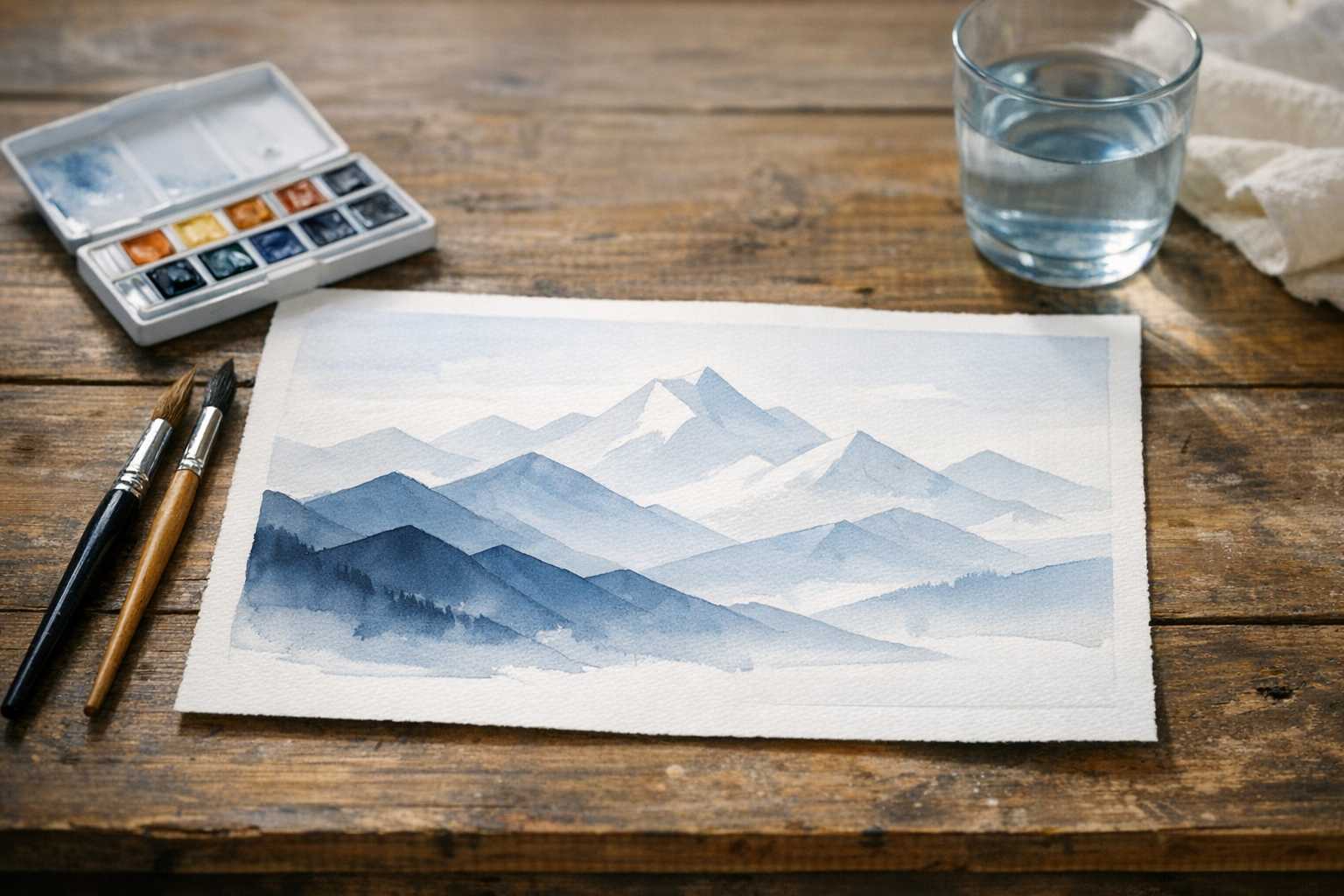
The Power of Simple: Artistic Techniques for Minimalist Mountain Paintings
The grandeur of mountains has continually sparked the creativity of artists worldwide. Their mighty summits and tranquil valleys create an emotional connection. However, complicated techniques are not a requirement to encapsulate their allure.
Through minimalist mountain art, the superfluous is removed, honing in on the intrinsic spirit of these natural behemoths. The strategy involves using simple shapes, clean lines, and clever use of color to achieve a striking visual.
The Appeal of Minimalist Mountain Art
In depicting mountains, the saying less is more rings true. By adopting a minimalist viewpoint, the focus is shifted to the most significant aspects. Consequently, more time is dedicated to the composition rather than the details.
This is a style that is friendly to beginners, removing the hurdle of mastering complex shading methods. Meanwhile, more experienced artists find the simplicity of the style a novel challenge, in conveying more with less.
Minimalist mountain art adapts to any home decor, seamlessly introducing a sense of tranquility to busy spaces. The aesthetics cater to contemporary interior design with its emphasis on clean lines.
The Basics: Tools for a Minimalist Mountain Landscape
There's no need for expensive equipment to get started; a standard watercolors set is sufficient. Acrylics are also suitable, especially for beginners, as they offer greater control.
Ideally, select three to five colors for each piece. Blues are fantastic for projecting distant peaks. Warm grays provide atmospheric depth, while a touch of white suggests snow-capped peaks.
The right brushes can make a considerable difference. A large flat brush is ideal for sky washes, a medium round brush for mountain shapes, and a small detail brush for final touches.
High-quality paper also plays a significant role. Watercolor paper is best for wet methods, while canvas boards work excellently with acrylics. It's all about making do with what is readily available.
Fundamental Mountain Shapes and Structures
Mountains bear a simple geometric resemblance. Triangles make up the basic form of peaks. Varying sizes and angles can create a more natural appearance.
Placing lighter mountains behind darker ones is a simple way to add depth. Keeping the horizon line low enhances the prominence of the mountains, while high horizons can make peaks feel confined and diminutive.
Studying actual mountain photographs can provide inspiration. Take note of how the peaks connect and flow into each other. Such simple observation can refine your artistic sensibility.
Color Theory for Mountain Landscapes
Distance affects our color perception of mountains. Those close by appear darker and more detailed, while distant mountains appear lighter and bluer. This occurrence, known as atmospheric perspective, is handy for creating believable depth: warm colors advance, while cool colors recede.
Using a limited palette can have a stronger impact. Often, a three-color scheme works better than a ten-color palette. Try mixing different temperature grays, your mountain art's best friend.
Straightforward Sky Techniques
The atmosphere set by the sky in mountain paintings is critical. Gradient washes can evoke peaceful morning vibes, while bold colors can imply dramatic sunset scenes.
Start with wet paper for a softer sky look. Allow your colors to blend naturally without overworking the paint while it dries. Cloud shapes should be suggestive rather than explicitly detailed, making efficient use of negative space.
Practicing sky techniques on separate paper is recommended before committing to the final piece. This develops confidence and can be applied to other landscape subjects.
Crafting Depth and Atmosphere
Paint the further away peaks first using lighter colors, then the foreground details with darker, warmer tones. Softening the distant mountain edges slightly can push elements into the background and help to create depth.
Use atmospheric haze to add realism; dry brush techniques can execute this beautifully. Employing light horizontal strokes conveys the impression of misty conditions.
Contrasting values guides the viewer’s eye effectively, using your darkest darks against the lightest lights to create focal points naturally.
Core Composition Rules for Mountain Art
The rule of thirds is aptly applicable here. Placing mountain peaks off-center offers better balance. Vary mountain heights and shapes to avoid monotony. Add simple foreground elements, like rocks or trees, to amplify interest and scale.
A Step-by-Step Guide to Mountain Painting
Start with light pencil sketches on your paper, outlining basic mountain shapes. Paint the sky area fully before the mountains.
Begin with the most distant mountains, using light, cool colors. Each layer forward should get slightly darker. Foreground mountains should have the strongest contrast. Let each layer dry completely before proceeding to prevent ruining clean edges.
Mistakes to Steer Clear From
Overworking paintings can sabotage their fresh appeal. Regularly step back and evaluate your work. Using too many colors can lead to muddy results, so stick to your planned palette. The ignorance of light direction can confuse viewers. Always decide on a single light source, maintaining consistent shadows.
Digital vs Traditional Techniques: The Pros and Cons
Digital tools offer a safety net for beginners thanks to undo options and layers, which allow for color experimentation. Traditional media, on the other hand, offers a unique vibe. Watercolor bleeds can lead to unexpected but delightful results, and oil paints blend wonderfully on canvas.
Try out both methods to find which one you connect with. Many artists enjoy combining the two forms. Digital brushes can mimic traditional media satisfactorily, but nothing can truly replace the texture real paint provides.
Cultivating Your Personal Style
Study minimalist artists whose work you appreciate. Take note of their color selections and arrangements. Learn from their methods without copying directly. Experiment frequently with different color schemes to develop your signature techniques that feel right to you.
It can be beneficial to catalog your artistic journey through photos. Track your progress over time honestly, celebrating minor improvements.
In Conclusion
Minimalist mountain art provides vast possibilities for creativity. You can create powerful, evocative artwork using simple techniques without having formal art training.
Start with basic supplies and keep your compositions simple. The focus should be on capturing the mountains' essence, guided by their natural beauty.
Practice frequently but without undue pressure. Enjoy the calming process of painting, heading closer to your objectives with each brushstroke.
Remember that every expert was once a beginner. Your unique viewpoint adds worth to your artwork. Trust your instincts and continue creating captivating mountain landscapes.