Minimalist Color Block Art: Simple Painting Projects
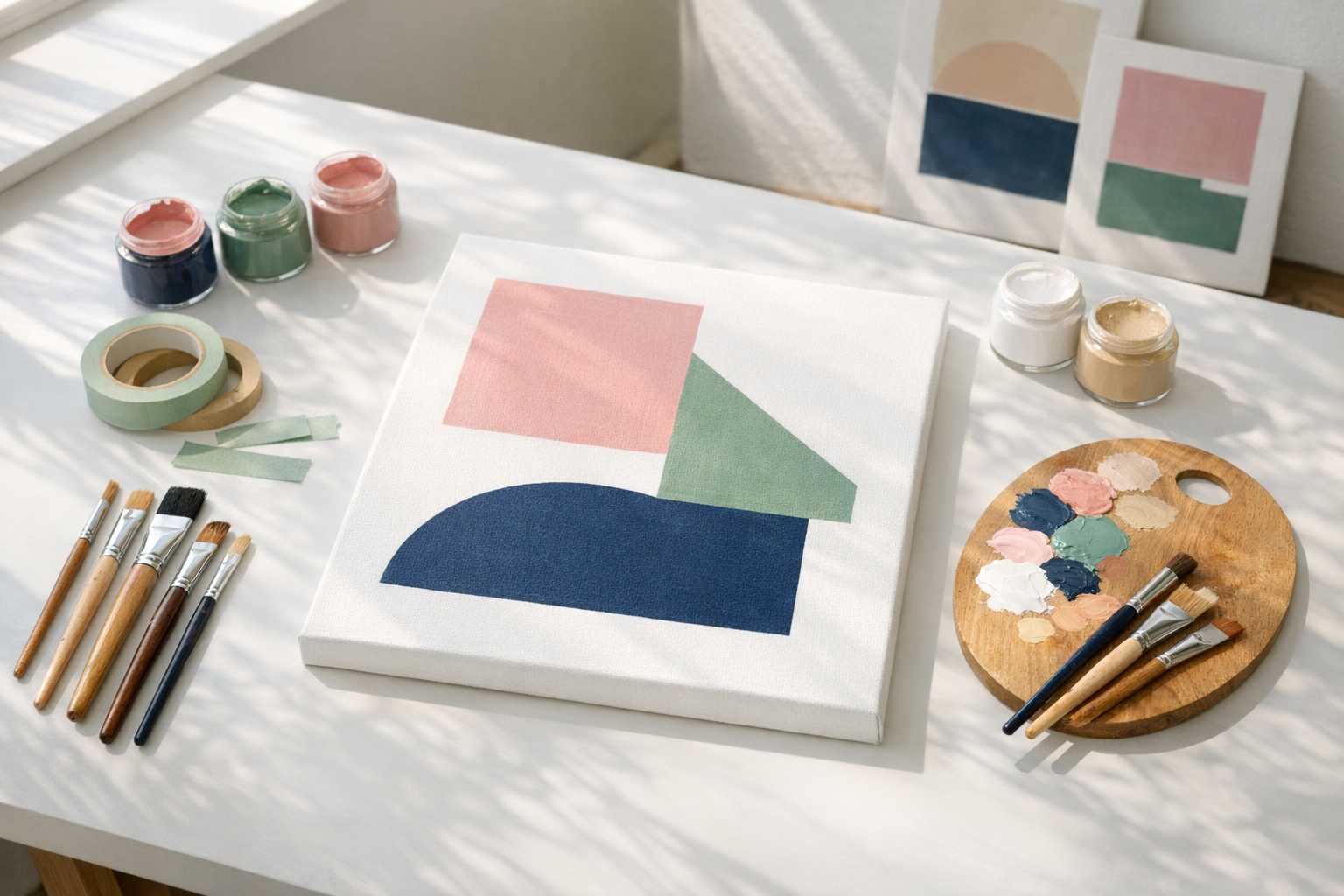
Delving into Minimalist Color Block Art: Straightforward Painting Projects
Ever found yourself confronting a blank wall and yearning for an impressive piece of art to adorn it? You're definitely not alone! Making your own minimalist color block art is much simpler than you might imagine, and what's more, it's an exceptionally fulfilling endeavor.
As an artist with many years of experience, I can say with certainty that some of the most impactful pieces are those that are the most elementary. There's a distinct charm in observing vibrant blocks of color merging together to create a harmonious visual spectacle.
Understanding Minimalist Color Block Art
Minimalist color block art thrives on simplicity. It utilizes wide expanses of solid color, setting intricate details aside. Picture neat lines, geometric shapes, and thoughtfully selected color patterns.
Originating from the minimalist trend in the 1960s, this art style focused on stripping away all elements seen as superfluous. The emphasis was placed on what really mattered - color, shape, and space.
The magic lies in its simplicity. Producing stunning pieces does not require advanced painting skills.
Why Should You Start with Color Block Art?
Starting your artistic journey with minimalist color block art is an impeccable choice for beginners. Here are my reasons for always advocating for it:
It's highly forgiving. Even minor mistakes can add personality to the artwork rather than take away from it.
Materials are wallet-friendly. All you require are basic supplies that won't leave a hole in your pocket.
Instant gratification. Most of these projects can be wrapped up in just one afternoon.
Flexible style. These pieces fit seamlessly into any space, from contemporary apartments to conventional homes.
I still remember my very first color block painting. I was astounded by how professional it looked, despite just being a two-hour effort!
Required Materials You Need to Collect
Being an artist involves collecting the tools of your trade, and this is half the fun. Here's what you'll require for the majority of projects:
- Canvas or canvas board (you're flexible with the sizes)
- Acrylic paints reflecting your chosen hues
- Flat paintbrushes (1-inch and 2-inch ones tend to work well)
- Painter's tape for razor-sharp edges
- Pencil for gentle sketching
- Palette or paper plates for mixing your colors
- Water container and absorbent paper towels
There's no need to splurge on top-tier materials initially. I started off with supplies from a nearby craft store, and they were just the ticket.
Picking Out Your Color Collection
Your choice of colors can be the make-or-break factor for your artwork. However, don't allow this to intimidate you!
Start simple with two to four colors maximum. An excess of colors can overshadow the minimalist look and feel.
Keep your surroundings in mind. What colors dominate your room currently? Your artwork should gently complement these colors rather than cause visual conflict.
Try foolproof combinations like the following: - A soft mix of dusty pink and sage green - A classic duo of navy blue and cream - An earthy feel with terracotta and soft gray - A monochrome palette of black, white, and one pop color
For me, selecting the colors often turns out to be a more time-consuming process than the actual painting. Yes, it's that critical!
Basic Project Ideas to Kick Start Your Journey
Traditional Geometric Blocks
This project is the ideal starting point. Construct rectangles or squares of various sizes using two or three different colors.
Start by outlining light guidelines with the help of a pencil. Then use painter's tape to achieve neat borders. Paint each section and remove the tape while the paint is still somewhat wet.
Gradient Blocks of Color
Merge two related colors within each block. Start with the lighter hue and add the darker shade gradually while the paint is still wet.
This technique lends depth to the artwork while preserving the minimalist essence.
Abstract Blocks Representing Landscapes
Using color blocks, construct simple lines emulating horizons. Envision colors of a sunset stacked horizontally or different shades representing mountain silhouettes.
Such artworks bring the outside world indoors without resorting to intricate details.
A Step-by-Step Approach Guide to Your First Painting
Let me guide you through the process of creating a straightforward three-color geometric piece:
Step 1: Sketch Out Your Design Start by lightly drawing out your composition. Stick to shapes that are simple yet bold.
Step 2: Use Tape to Mark Sections Use painter's tape to demarcate each color block. Push the edges down securely.
Step 3: Kick-start With Your Lightest Color Always start painting with the lightest shades. These are easier to cover if mistakes are made.
Step 4: Show Patience and Tackle Sections One at a Time Ensure each section is completely dry before moving on to surrounding areas.
Step 5: Handle Tape With Care Detach tape when the paint is slightly sticky to ensure clean lines.
Step 6: Make Necessary Touch-ups Deploy a small brush to rectify any imperfect edges.
Tips for Mastering the Art of Color Blocking
After learning from my own mistakes, here are my best pieces of advice:
Use high-quality painter's tape. Low-quality tape often results in bleeding, thereby ruining precise lines.
Avoid overloading your brush. Too much paint can result in undesirable drips and uneven application.
Work under appropriate lighting. Natural light best reveals the true shades of colors.
Remember to take breaks. A fresh perspective often helps spot any issues that might escape your notice while you are immersed in the details.
Welcome unexpected outcomes. Sometimes, the most unplanned results turn out to be your favorite aspects of the artwork.
Common Errors and Ways to Avert Them
All of us are prone to making mistakes when starting out. Here are the ones I encounter most frequently:
Haste ruins the masterpiece. Let each layer dry fully before applying tape or adding a fresh color.
Excessive color use. Stick to your decided palette, even when other hues seem visually attractive.
Neglecting planning. Devote substantial time to getting your composition just right before embarking on painting.
Avoiding imperfection. Minor variations in brushstrokes impart a unique handcrafted charm.
Showcasing Your Completed Artwork
Upon completing your artwork masterpiece, proper display can make all the difference.
Consider assembling your artworks. A group of smaller pieces usually holds more visual impact than a single large piece.
Mind the height. Aim to hang artwork at eye level, generally around 57-60 inches from the floor.
Allow room to breathe. Try not to surround your art with numerous decorative elements.
Ensure proper lighting. Good lighting can bring out the vividness of your colors and reduce any potential glare.
I find great joy in creating a series of related pieces. Three smaller canvases displaying variations of the same color theme can look very sophisticated indeed.
Advancing Your Skills
Once you've grasped the basics of color blocking, you can challenge yourself with these variants:
Incorporate texture in your blocks using palette knives or sponges.
Experiment with different shapes aside from squares - consider circles, triangles, or even freeform shapes.
Play around with sizes by blending one oversized block with several smaller ones.
Introduce metallic accents sparingly to add an extra element of intrigue.
Producing Art that Truly Represents You
Making your own minimalist color block art not only allows you to express your personal style, but also ensures you capture compositions that resonate with your space.
You can be as bold or as reserved as you like with this form of art. Some of my most beloved pieces were born out of sessions where I paid heed to spontaneous inspiration rather than meticulous planning.
At its core, art should bring you joy, both in the process of creation and when you live daily in its presence.
Embarking on Your Artistic Journey
Diving into the world of minimalist color block art doesn't require years of training or costly supplies. What it does need, however, is your eagerness to experiment with something new.
If you're feeling apprehensive, start small. Even a tiny 8x10 inch canvas can transform into an eye-catching piece of art.
Remember, every artist commenced their journey somewhere. Your first piece might not be quite ready for an art gallery, but one thing's for sure - it'll be completely unique to you. And that's what makes it absolutely perfect.
So why wait? Reach out for those brushes, let your creativity come alive, and give the walls of your house the color they've been waiting for.