Linear Minimalist Art: Simple Line Painting Guide
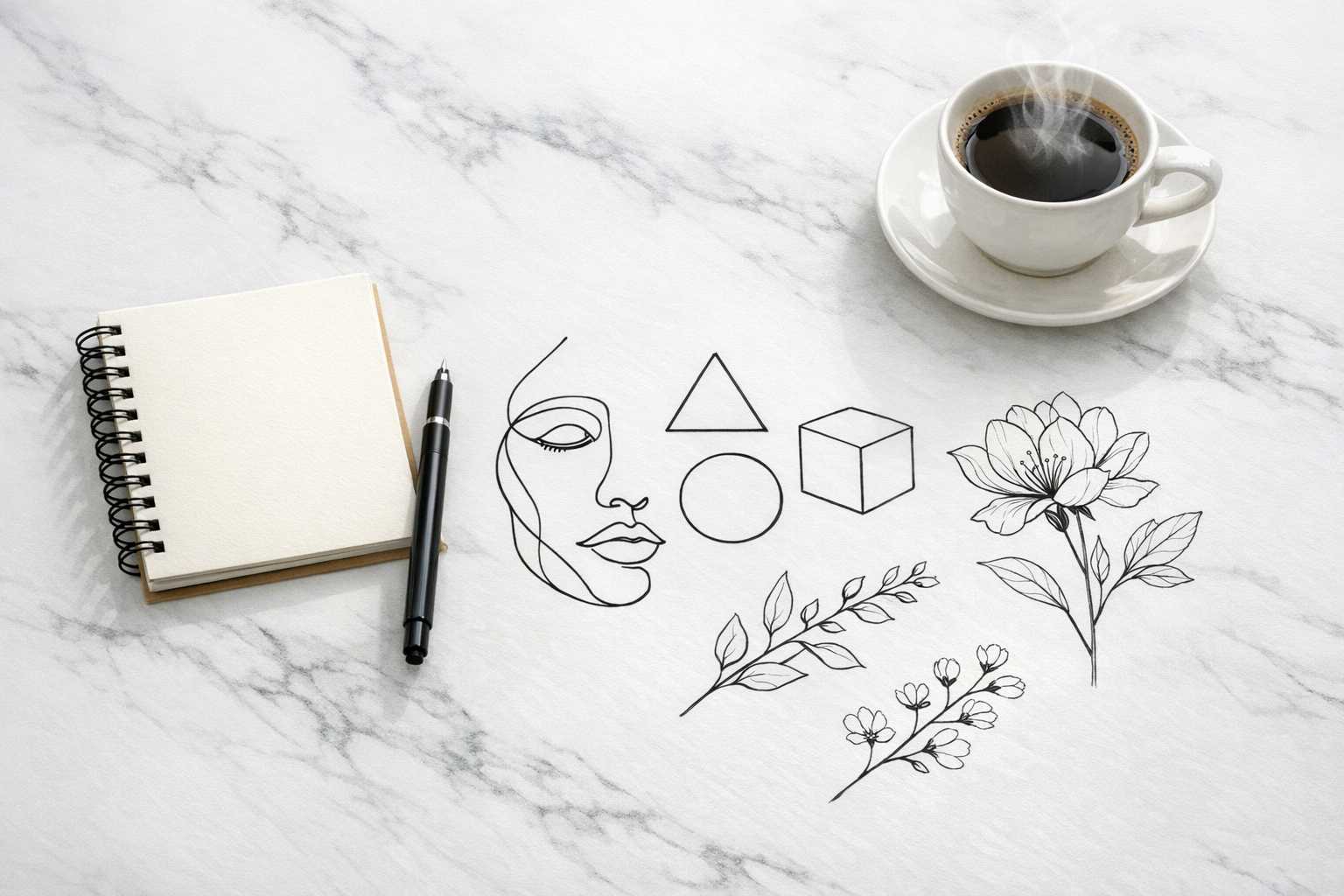
Guide to Linear Minimalist Art: The Beauty of Simplicity
Have you ever been entranced by the simplicity of a single line perfectly drawn on paper? That's the transformative beauty of linear minimalist art. This form of art demonstrates the surprise and power that can be reaped from simplicity.
I've indulged in the simplicity and beauty of minimalist line art over the years. Believe me, this form of art is one of the most gratifying genres you can explore. Let's journey together into this attractive yet simplistic world.
What Graces Linear Minimalist Art with its Uniqueness?
In linear minimalist art, all unnecessary elements are sheared off. This leaves behind pure, neat lines that engage and communicate.
Consider this. It takes just one persistent line to map out an entire face, or a few gentle bends can depict a dancing figure. This is the enticing simplicity that we seek to master.
The fascinating fact is that you need not be Picasso to create awe-inspiring works. Often, the simplest of methods can deliver the most profound visual impact.
The Bare Necessities
Dabbling in minimalist art is quite straightforward. Here's what I suggest you should start with:
For novices: - Superior drawing paper (preferably with a smooth texture) - Fine-nib black pens, ranging from 0.3mm to 0.7mm - A pencil for light tracing - An eraser
For painters: - Watercolor paper - Fine brushes (preferably within size range 0-2) - Black acrylic or watercolor paint - Water jugs
The beauty of minimalist art lies in the modest list of requisites.
Linear Techniques That Are Proven to Work
Single Persistent Lines
You could start with a sole undisrupted line. Try drawing a face without lifting your pen at all. This is more difficult than it sounds yet incredibly rewarding.
Work on simple subjects initially. You could take up doodling a coffee mug or an apple, or perhaps your pet, for practice. Success lies in the poise of your drawing strokes.
Varying Line Widths
Not all lines have to be of the same width. Denser lines can be used to imitate depth and emphasis, whereas leaner lines are useful for intricate details.
Experiment with pressure. Bold outlines could require harder strokes. Light lines work best in hinting at subtleties.
Geometric Techniques
Sometimes only the simplest shapes and straight lines are used to create compelling pieces. Using basic forms like triangles, circles, and rectangles can create great compositions.
Try creating an image with only geometric shapes. The results can be astonishingly stunning.
Painting Process, Step-By-Step
Sketching Your Composition
Before you begin painting, set some time aside for planning. Establish a focal point for your artwork. Where exactly do you want the viewer's attention to be drawn?
I prefer starting with pencil traces. Nothing too detailed, just basic outlines and line positioning.
Drawing Flawless Lines
This is where your practice gets rewarded. Take a deep breath before each stroke and be sure to use your whole arm instead of just your wrist.
Don’t panic if errors occur. At times, these flukes birth the most compelling parts of the painting.
Building Visual Appeal
Even minimalist art benefits from a touch of diversity. Some techniques to try include:
- Intentionally blank areas
- Alternating line directions
- A subtle repetition creating rhythm
- Incorporation of negative space in the design
Finding Inspiration All Around
Inspiration for linear minimalist art can be found in every nook and corner. I usually draw ideas from:
Nature: - The outlines of tree branches silhouetted against the sky - Stem and foliage patterns of flowers - Mountain landscapes
Everyday life: - Rising steam from a cup of coffee - People strolling around - Architectural patterns and buildings
Feelings: - Conveying joy through a line - Potential representation of sadness or excitement
Always keep a tiny sketchbook by your side. Quick sketches may serve as the foundation for your best finished pieces.
Common Pitfalls to Dodge
We’re all prone to making mistakes. Here are some tips to help you avoid common ones:
Complicating artwork. Don't forget that less is more when it comes to minimalist art. If removing a line does not affect the meaning of your piece, consider omitting it.
Hurrying through the artwork. Each stroke effectively deserves time. Mindful and considerate lines make for better art.
Disregarding composition principles. Even though minimalist, this form of art still benefits from basic design rules. Take into consideration elements of balance and flow.
Not practicing enough. Just like any other skill, your line work will improve substantially with practice. Make it a habit to draw something daily, even if it’s for a brief span of five minutes.
Advanced Approaches to Consider
Once you’ve practiced the basic elements, you can explore some advanced techniques:
Blind Contour Drawing
This technique involves drawing your subject without looking at your paper, which may sound absurd!, but trust me, beautifully flowing, organic lines are the result.
Integration of Colors
Monochromatism isn’t a rule written in stone for minimalist art. Experiment with single-shade palettes. A deep blue or warm red shade can immensely influence the ambiance of your piece.
Approaches with Mixed Media
Combine your line work with watercolor washes or subtle textures, while ensuring you uphold the simplicity.
Building an Artistic Habit
Unwavering consistency triumphs perfection. Here's a strategy to build a consistent art practice:
Set achievable targets. Start with one small sketch a day. Or aim for three lengthy sessions per week. Discover a rhythm that complements your lifestyle.
Create a designated workspace. It doesn’t have to be ostentatious. A small corner with good light and accessible art supplies is perfect.
Record your progress. Click pictures of your artworks. You'll be amazed at the improvement when you look back after some time.
Sharing Your Linear Minimalist Art
Don't keep your breathtaking artworks hidden! Social media platforms swoon over neat, minimalistic artwork.
Brands like Instagram and Pinterest serve this art style perfectly. Use tags such as #minimalistart, #lineart, and #linearart to share your art with other enthusiasts.
You may even try creating a series such as "30 Days of Line Portraits" or "Minimal Nature Studies." Art enthusiasts love to follow an ongoing series.
The Therapeutic Aspect of Line Art
An interesting facet of linear minimalist art that I've discovered is its therapeutic nature.
Focusing on lone, sleek lines can have a calming effect on the mind, much akin to active meditation.
Many of the individuals I've taught say that their line art practice helps cope with stress and anxiety. Try immersing yourself in linear minimalist art the next time you're looking for a peaceful respite.
In Conclusion
Linear minimalist art is compelling evidence of the notion - less is indeed more. With just a few booted, simple lines, you can produce artwork that is both stunning aesthetically and significant.
Bear in mind that every renowned artist started with their first line. Your journey commences the moment you grasp that pen or brush.
Start on a small scale. Practice regularly. And above all, relish the process.
I'd love to see what your first linear minimalist piece looks like or what ideas you'll be bringing to life!
Here’s to the joy of drawing!