Video Art Painting: Multimedia Modern Art Guide
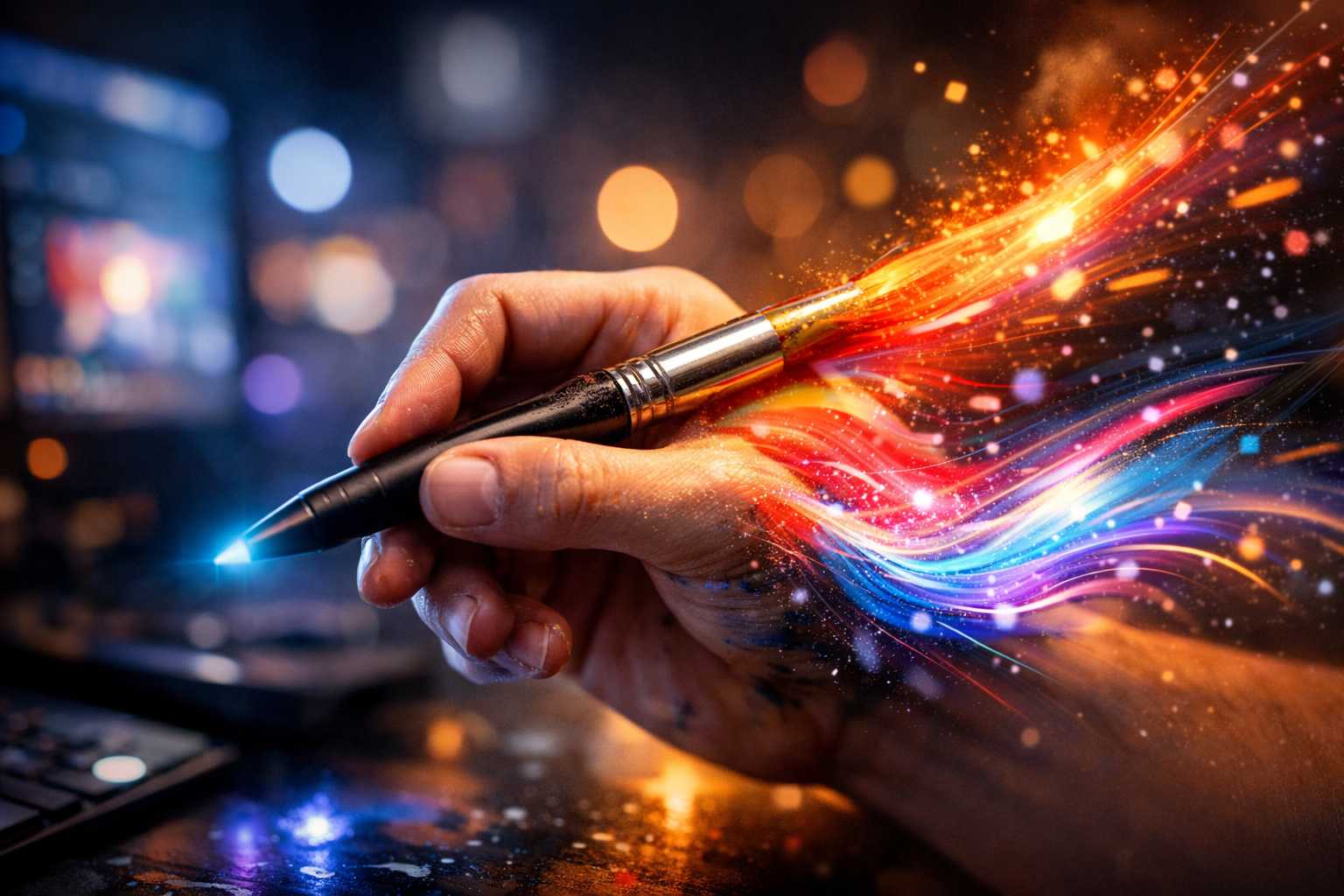
A Comprehensive Guide to Video Art Painting: The Fusion of Art and Technology
Art has undergone a significant transformation in the digital era, with video art painting now one of the most riveting advancements in contemporary artistic innovation. This progressive medium incorporates traditional painting skill sets along with emerging technologies.
Whether you're an artist, collector, or merely intrigued by modern art, this guide will help you comprehend and appreciate this enthralling form of artistic expression.
Exploring Video Art Painting
Video art painting amalgamates moving graphics with artistic creativity. Artists utilize digital tools to produce active, ever-evolving artworks. The creations regularly embody various elements such as:
- Dynamic graphics
- Digital brushstrokes
- Interactive components
- Sound incorporation
- Real-time manipulation
Unlike stationary paintings, video art pieces are ceaselessly evolving, narrating stories through movement and time-based aspects.
The Journey of Video Art Painting
The roots of video art reach back to the 1960s when trailblazers like Nam June Paik explored television screens and video equipment, aiming to challenge conventional artistic boundaries.
As technology advanced, the possibilities magnified. The advent of budget-friendly digital cameras and editing software in the 1990s democratized the creation of video art.
Today, artists have access to state-of-the-art tools, allowing them to create intricate video paintings on laptops and tablets, as the medium continues to expand and progress.
Necessary Tools and Software for Video Art Painting
Embarking on a journey with video art painting requires specific equipment. Here's your checklist:
Hardware Prerequisites
- A computer with robust processing power
- Graphics tablet or stylus
- High-resolution monitor
- Optional: video camera or smartphone
Recommended Software Solutions
- Adobe After Effects - The industry-standard for dynamic graphics
- Procreate - An excellent tool for iPad-based video painting
- Photoshop - Features a timeline function that facilitates video painting
- Blender - A cost-free, open-source tool
- TouchDesigner - High-tier interactive media software
Diverse Styles of Video Art Painting
Video art painting encapsulates a wide range of styles and methodologies. Each presents distinct creative opportunities.
Conventional Animation Style
Artists craft frame-by-frame animations, painting each frame separately. This approach results in fluid, natural movements.
Real-Time Painting
Artists paint directly on video footage, reacting to movement and action instantaneously. This results in vivid, interactive works of art.
Digital Collage
Artists merge multiple video layers with painted constituents, incorporating different types of media flawlessly. The outcome is luxurious, layered compositions.
Abstract Motion Graphics
Here, unadulterated color and form are paramount. Artists concentrate on motion patterns and visual tempos. These pieces often harmonize with music or sound.
Techniques for Crafting Video Art Paintings
Mastering video art painting warrants practice and inventive experimentation. Here are some fundamental techniques to delve into.
Layering and Compositing
Begin with multiple layers of content. Blend video footage, painted elements, and effects. Modify opacity and blending methods for intriguing results.
Color Grading
Employ color manipulation to craft mood and atmosphere. Use color correction tools to unify your composition and explore diverse color schemes.
Texture and Brush Work
Overlay video footage with painted textures. Use distinct brush types for various effects and layer multiple brush strokes for complexity.
Timing and Rhythm
Monitor the pacing of your piece. Align movements with sound where suitable. Create visual rhythms that captivate viewers.
Icons of Video Art Painting
Several artists have ventured beyond the norms of this medium, inspiring new generations of creators.
Bill Viola
Viola is renowned for creating moving slow-motion video installations, frequently exploring spiritual and emotional themes. He develops profoundly emotional video paintings.
David Hockney
This legendary painter embraced iPad video painting. His digital pool paintings garnered global praise, demonstrating that traditional artists can master modern media.
Cao Fei
This Chinese artist generates surreal video narratives, fusing reality with digital fantasy. Her work provides commentary on contemporary Chinese society.
Getting Started with Video Art Painting
Ready to attempt video art painting yourself? Here's a beginner-friendly, step-by-step guide.
Start with Basics
Kick off with basic software like Procreate or Photoshop. Start by creating short, simple animations and focus on building fundamental skills.
Study Motion
Study the movement in real life and derive inspiration from other video art pieces. Grasping motion is crucial in this field.
Experiment Radically
Initially, don't fret about creating masterpieces. Experiment with different tools and techniques and let your curiosity lead your exploration.
Connect with Communities
Join online communities of similar artists. Share your work and obtain feedback. Learning from others fast tracks your improvement.
Technical aspects to consider
Creating video art paintings involves understanding certain technical challenges which can aid in producing superior creations.
File Formats and Quality
Opt for suitable video formats concerning your intended use. Weigh the file size against the quality requirements. Different platforms may possess varying stipulations.
Frame Rates and Resolution
Higher frame rates lead to smoother motion, and greater resolution provides more detail. Strive for a balance between quality and your computer's processing capabilities.
Storage and Backup
Video files tend to be voluminous and command significant storage. Establish a trustworthy backup system. Cloud storage offers an extra layer of safety.
Showcasing and Sharing Video Art
Proper presentation is vital for video art paintings. Consider these options for sharing your art:
Online Platforms
- Instagram - Terrific for compact video art pieces
- Vimeo - High-definition video hosting
- YouTube - Offers the broadest audience reach
- Art-centric platforms - Particularly targets art collectors
Gallery Exhibitions
Numerous galleries now spotlight digital art. Reach out to local venues about potential exhibition opportunities. Some specialize in showcasing new media art.
Digital Frames and Screen Displays
Digital photography frames can exhibit video art. Larger screens are ideal for installations. Take into consideration the viewing environment carefully.
The Next Chapter of Video Art Painting
As technology continues to advance, it reshapes this form of art. Future developments hold promising potentials.
Virtual and Augmented Reality
VR and AR are unlocking new creative dimensions. Artists can construct immersive painted universes, allowing viewers to participate in the art.
Artificial Intelligence
AI tools are becoming increasingly advanced and can assist with animation and effects. However, the human ingenuity element remains indispensable.
Interactive Factors
Sensor technology is enabling reactive artworks. Pieces can respond to viewer movements, delivering unique customized experiences.
Summing Up
Video art painting signifies the progression and evolution of artistic expression. It merges traditional skills with advancing technology, offering boundless creative opportunities.
Whether you're a creator or a collector, video art painting demands attention as it mirrors our digital era while preserving artistic traditions. The future of this medium appears incredibly promising.
Embark on your video art painting exploration today. An exciting creative journey in this engaging multimedia landscape awaits you.