Street Art Style: Contemporary Urban Painting Guide
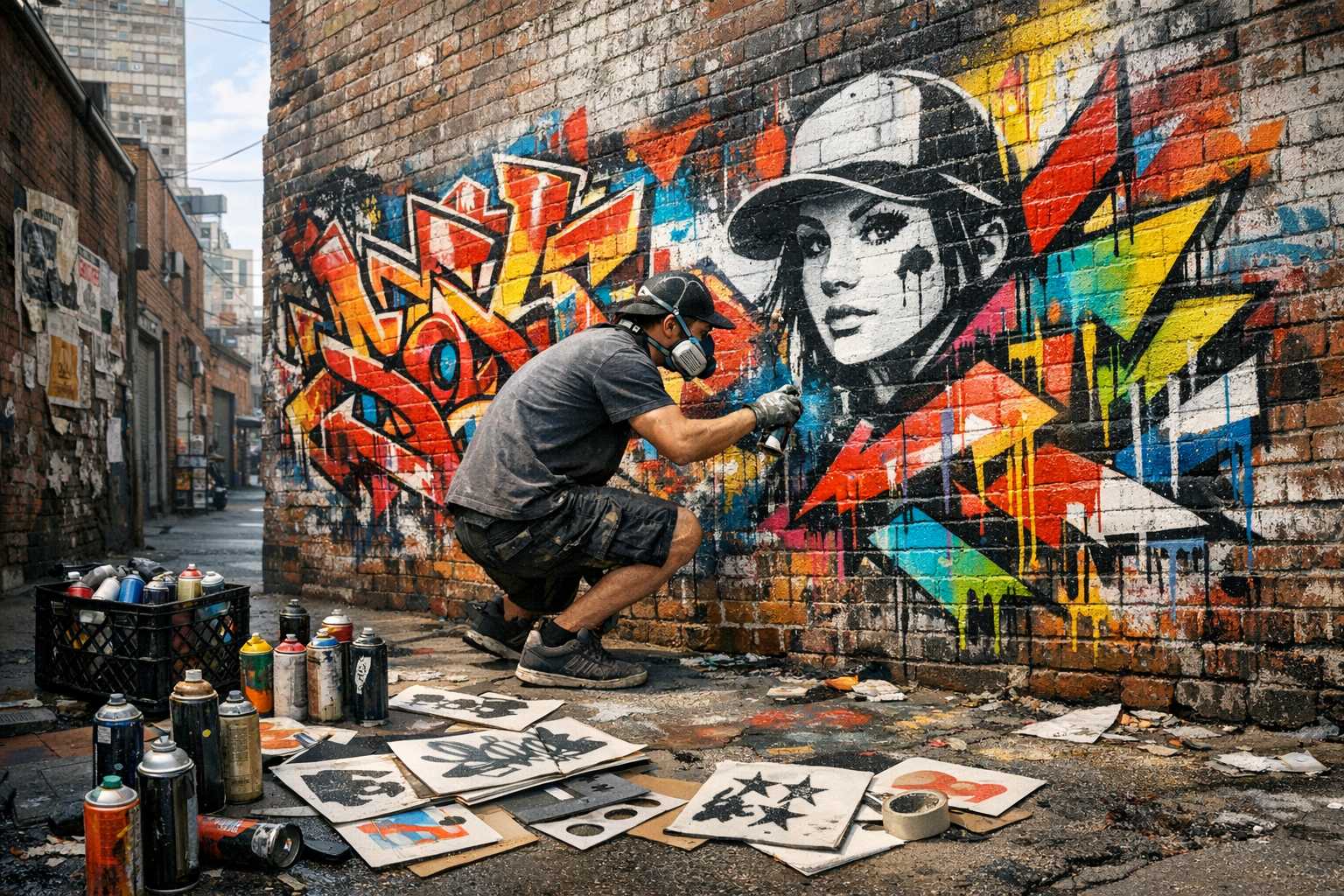
Understanding Street Art: A Guide to Contemporary Urban Painting
From a subversive act to a recognized artistic expression, street art has evolved significantly. It's now embraced and celebrated universally as a vibrant and creative form of communication. This article will guide you through the fascinating world of contemporary urban painting.
The Uniqueness of Street Art
Street art provides a canvas for narratives that conventional galleries might not capture. It communicates directly to local communities, encapsulating both the sentiment of the artist and the essence of the neighborhood.
Urban artists exploit public spaces to create art that's democratically accessible, free for all to enjoy. Inspired by the energetic pulse of city streets, they incorporate elements like traffic, people, and the wear and tear of urban life into their narratives.
Various Styles of Street Art You Must Know
Graffiti Lettering
Graffiti forms the backbone of street art culture. Artists create unique "tags" or signatures as their calling cards. Different styles like bubble letters, wildstyle, and throw-ups represent varying levels of complexity and skill.
Stencil Art
Stencils empower artists to paint quickly and accurately. This style was popularized globally by Banksy. By spraying paint through cut-out templates in cardboard or plastic, artists create clean and replicable imagery, ideal for intricate portraits.
Paste-Ups
Also known as "wheatpasting", this style involves artists pasting physical or digitally printed designs onto walls. It enables them to create their work safely at home and install it later, having carefully planned their composition.
Murals
Murals are large-scale artworks that can transform entire building walls. Reflecting local narratives, they are often legally commissioned by cities. Professional muralists amalgamate traditional painting techniques with street art aesthetics.
Must-Have Tools for Urban Artists
Choice of paint
Spray paint is a classic, trusted choice for street artists. Brands such as Montana, Ironlak, and Molotow offer quality options with various cap sizes for different line widths. Acrylic paints are used for detail work, and markers are helpful for thin lines and signatures.
Safety Equipment
Prioritize your safety by using respirator masks and protective gloves to avoid contact with paint chemicals. Choose well-ventilated spaces for painting. Art is valuable, but your health is priceless.
Basic Supplies
Cardboard offers an excellent surface for practice, while X-acto knives are perfect for cutting neat stencil lines. For wheatpaste, you need nothing but flour and water. Start with the basics before investing in more elaborate tools.
Developing Your Unique Street Art Style
Learning from Renowned Artists
Absorb the work of legendary artists like Jean-Michel Basquiat, Keith Haring, and contemporary trendsetters like Shepard Fairey. Instagram is a great platform to discover and follow inspiring street artists across the world.
Regular Practice
Start practicing on paper before leveling up to walls. Cultivate your control and understanding of color through regular practice. Sketchbooks, or blackbooks, are excellent tools for planning and ideating.
Embrace Experimentation
Innovation springs from experimentation. Mix techniques, play with styles and don't fret over initial perfection. Street art values genuine expression over technical accuracy.
Legal Dimensions of Street Art
Get Consent
Ensure you have permission to paint on private property. Many businesses are open to murals, and legal walls are available in many cities. Some community centers or art schools might also offer practice spaces.
Understand Local Laws
Familiarize yourself with local graffiti and street art regulations. Penalties can vary significantly across different locations. Be aware of your city's stance on street art to avoid legal troubles.
Respect the Residents and Existing Art
Be mindful of the community and avoid painting over existing artwork without consent. Each street art community has its unspoken rules. Respecting religious buildings and monuments is crucial, so focus on abandoned or industrial areas.
Enhancing Your Street Art Skills
Color Theory Fundamentals
A strong grasp of color relationships can amplify your work. Studying how successful pieces utilize color can offer immense inspiration.
Mastery of Composition
Applying traditional art principles can enhance your street art. Techniques like the rule of thirds can create balanced compositions, while leading lines can guide viewer attention.
Proficient Typography
Proficiency in letter forms can form a strong foundation for your street art. Starting with basic letters before moving on to complex styles and maintaining consistency can go a long way. Study classic graffiti alphabets to develop your unique style.
Contemporary Trends in Street Art
Digital Fusion
Modern artists merge digital methods with traditional techniques. Social media has transformed the way street art gets discovered, enabling artists to build global audiences.
Environmental Themes
Contemporary works often highlight issues such as climate change. Artists increasingly use recycled materials, integrating an element of sustainability into their message.
Commercial Collaborations
Brand collaborations are gaining popularity, offering legitimacy and financial growth. However, this has stirred concerns about commercializing the art form. Gallery exhibitions offer street art a new environment, altering its context.
Embarking on Your Street Art Journey
Start Small
Begin by creating stickers or small paste-ups. This allows you to build confidence, experiment, and document your growth over time.
Network with the Community
Engage with local street art groups, attend gallery openings, and participate in street art events. Learning from experienced artists fast-tracks your progression.
Maintain Patience
Artistic proficiency requires time and dedication. Relish the learning process itself rather than expecting immediate mastery.
Conclusion
Street art continues to evolve with each generation, mirroring our changing urban environments. Whether you aspire to create art or appreciate it, the world of street art offers infinite intrigue.
As you embark on your artistic journey, note that exceptional street art harmonizes technical proficiency and sincere expression. Prioritize safety and legality above all and lend your unique voice to the incredible street art conversation. The streets await!