Simple Color Block Painting: Modern Art for Beginners
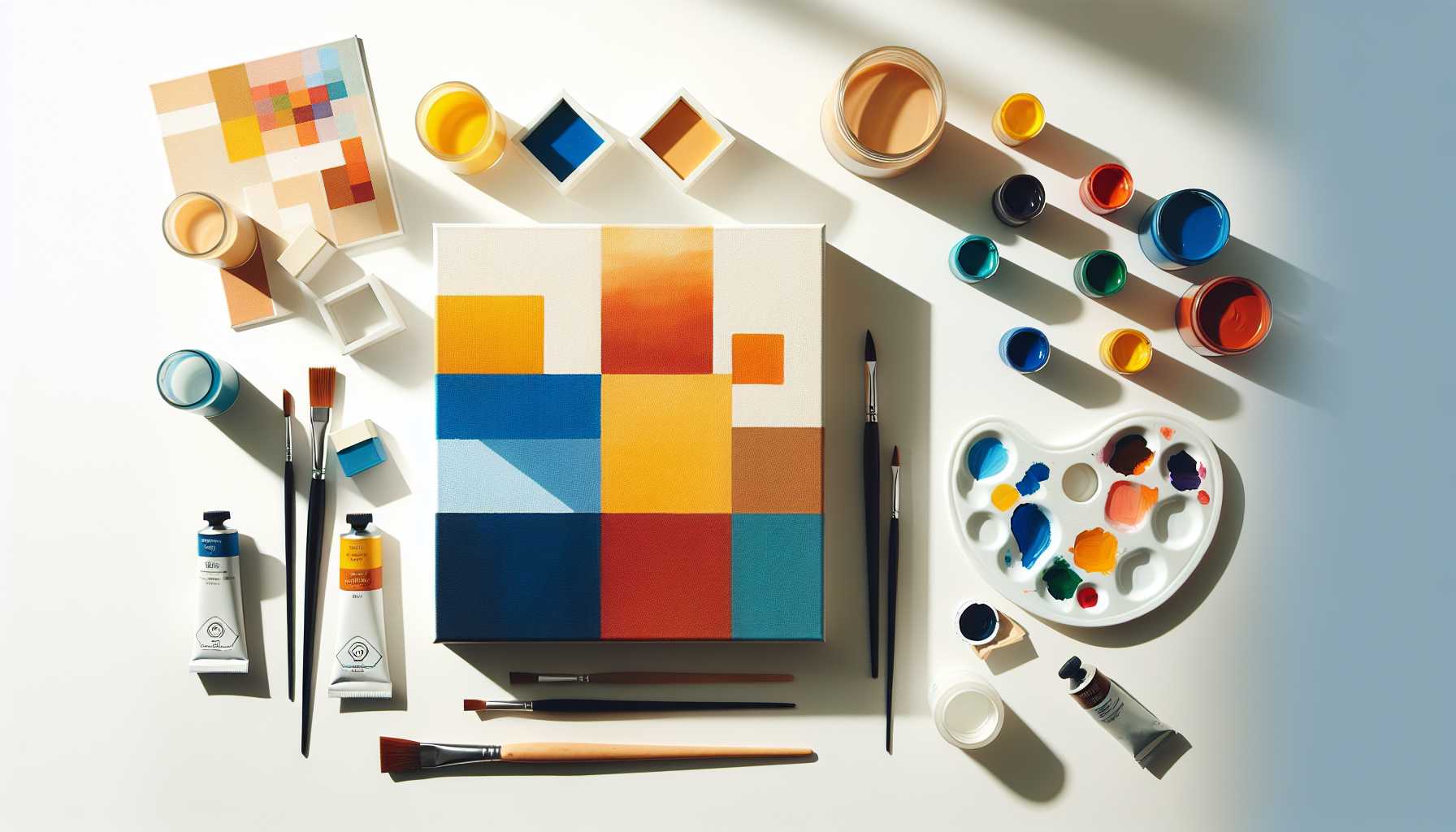
A Beginner's Guide to Color Block Painting: A Simple Approach to Modern Art
Have you ever visited a modern art gallery and pondered, "Could I create art like this?" If so, comfortably know that you can indeed create such art. Color block painting, a contemporary form of art, is quite manageable and beneficial for newcomers.
Reflecting on my first color block painting experience, I recall my apprehension about confronting a blank canvas. However, the apprehension faded with the first vibrant, daring color stroke, replaced by sheer euphoria.
Understanding the Concept of Color Block Painting
What is color block painting exactly? As the name suggests, it involves creating an artwork using solid patches or segments of pure color, void of intricate details or complex brush strokes.
You can envisage color block painting as creating with building blocks where each color segment has its unique presence and yet, contributes to the complete picture. The method is straightforward, clean, and incredibly impactful.
The most exciting part? There are no constraints! Your blocks can take geometric shapes, organic forms, or purely abstract segments.
The Charm of Color Block Painting for Beginners
Delving into the world of art can be quite overwhelming. Color block painting mitigates many of these initial inhibitions.
You don't need years of formal training to make something exquisite. This technique emphasizes color interplay instead of precise drawing skills.
Many esteemed artists like Mark Rothko and Barnett Newman established their careers through color field paintings. By learning this technique, you're aligning with a method that has substantial artistic recognition.
The required supplies are minimal and cost-effective, so you won't have to worry about heavy financial investments.
The Minimal Supplies You'll Require
Keeping it simple is the key. You don't need an entire art supply store's inventory.
Paints: Acrylic paints are ideal for beginners due to their fast-drying nature and easy clean-up with water. You can start with black, white, and the primary colors.
Brushes: All you need are a few flat brushes in different sizes, such as a small detail brush and 1-inch and 2-inch brushes.
Canvas: Any pre-stretched canvas from an art supplies store will suffice. For beginners, an 11x14 inches canvas is a good start.
Palette: Simple disposable paper palettes or even paper plates will work perfectly fine.
Water container: Any cup, glass, or jar will do for cleaning brushes.
Initiating Your First Color Block Painting
Excited to start? Let's collaborate to create your first masterpiece.
Step 1: Outlining Your Composition
Don't dwell much on this step. Roughly sketch a basic arrangement with 3-5 color blocks. You can start with simple shapes like squares and rectangles.
Maintain balance and orderly place your blocks on the canvas.
Step 2: Selecting Your Color Palette
Choose 3-4 colors that resonate with you. Selection could be based on colors that complement each other or provide interesting contrasts.
Warm colors like red, orange, and yellow bring vibrancy, whereas cool colors like blue and green evoke a sense of tranquillity.
Step 3: Commencing Painting
Start with the largest color block and mix your paint to achieve the exact shade you desire.
Apply the paint with smooth, uniform strokes. Don't strive for perfectionism - slight irregularities will add charm.
Ensure each section dries fully before painting adjacent ones to prevent colors from merging.
Step 4: Applying Finishing Touches
Take a step back and review your work. Anything that requires modification?
You might want to apply a second coat for a more vivid color. Alternatively, one block might need to be slightly resized.
Trust your instincts, as art is subjective and your opinion holds the most weight.
Color Theory Simplified
Utilizing the basic understanding of color connection can enhance your color block paintings considerably.
Complementary colors are those that are opposites on the color wheel. Combinations like green and red or orange and blue result in dynamic, energized artwork.
Analogous colors are situated adjacent to each other on the color wheel, creating calm, pleasant compositions.
Monochromatic schemes involve different shades of one color ultimately leading to soothing, refined artwork.
There's no need to memorize these principles. Just bear them in mind while exploring color block painting.
Avoid Common Beginner Mistakes
It's common to make mistakes, especially as beginners. Here are frequent ones to steer clear of:
Using excessive colors: Initially, limit yourself to three to four colors.
Making blocks too small: Larger, confident shapes lead to more captivating art than multiple, demure sections.
Overanalyzing: Color block painting should be liberating. Trust your instincts throughout the process.
Comparing your work to others: Your artistic journey is distinctive. Concentrate on your progress and enjoyment rather than comparing.
Advancing Your Skills
Once you've grasped the basics of color block painting, endless possibilities open.
Experiment with a variety of shapes like triangles, circles, or even organic forms. They all work beautifully!
Try playing with texture. You can add sand to your paint or use palette knives to create interesting effects.
Delve into different color combinations. Note down inspiring palettes for future reference.
Consider working in series, where you create multiple paintings exploring similar color themes or composition styles.
The Therapeutic Qualities of Color Block Painting
Art transcends mere aesthetics. It bears significant benefits for mental well-being.
Color block painting involves focus, which naturally reduces mental clutter and puts you in a meditative state.
There's no stress to create realistic depictions, providing freedom that alleviates anxiety and perfectionism.
Finishing a piece of art gives a true sense of accomplishment. It brings joy to witness the beautiful creation resulting from your efforts.
The process promotes mindfulness as you find yourself entirely present, concentrating on colors and composition.
Discovering Your Unique Artistic Voice
Every artist cultivates a distinct style with time. Color block painting is an excellent avenue to discover yours.
Are you attracted to bold, contrasting colors, or do you favor subtle, muted tones? Both are appealing ways to express your artistic inclination.
Are you drawn to geometric precision or flowing, organic shapes? Allow your preferences to guide your creative choices.
Pay attention to what fascinates you as your enthusiasm will reflect in your final works.
Showcasing Your Artwork
Display your creations proudly. Color block paintings make fabulous wall decorations.
Opt for simple frames as they should not overshadow your brilliant color choices.
Grouping smaller artworks can create a striking display. For instance, a triad of pieces hung in a row can make a powerful impact.
Consider the colors present in the room when deciding where to hang your art. Your painting can either harmonize with or boldly contrast the existing colors.
Final Thoughts
Color block painting illustrates that modern art doesn't have to be complex or intimidating. With minimal tools and some courage, you can create breathtaking artwork that represents your exclusive style.
What matters most is to begin. Grab those brushes, select a few colors, and commence painting. Every professional artist started right where you are now.
Your initial artwork may not be impeccable, and that's absolutely fine. Each stroke of the brush provides a new insight about colors, composition, and your personal artistic leanings.
So, why wait? Embark on your artistic journey with that first vibrant color block. Believe me, once you start, you'll question why you postponed this experience for so long.
Remember, art is subjective. There's no such thing as a wrong method of creating art, only your unique process - and that's what makes it truly special.