Performance Painting: Dynamic Modern Art Techniques
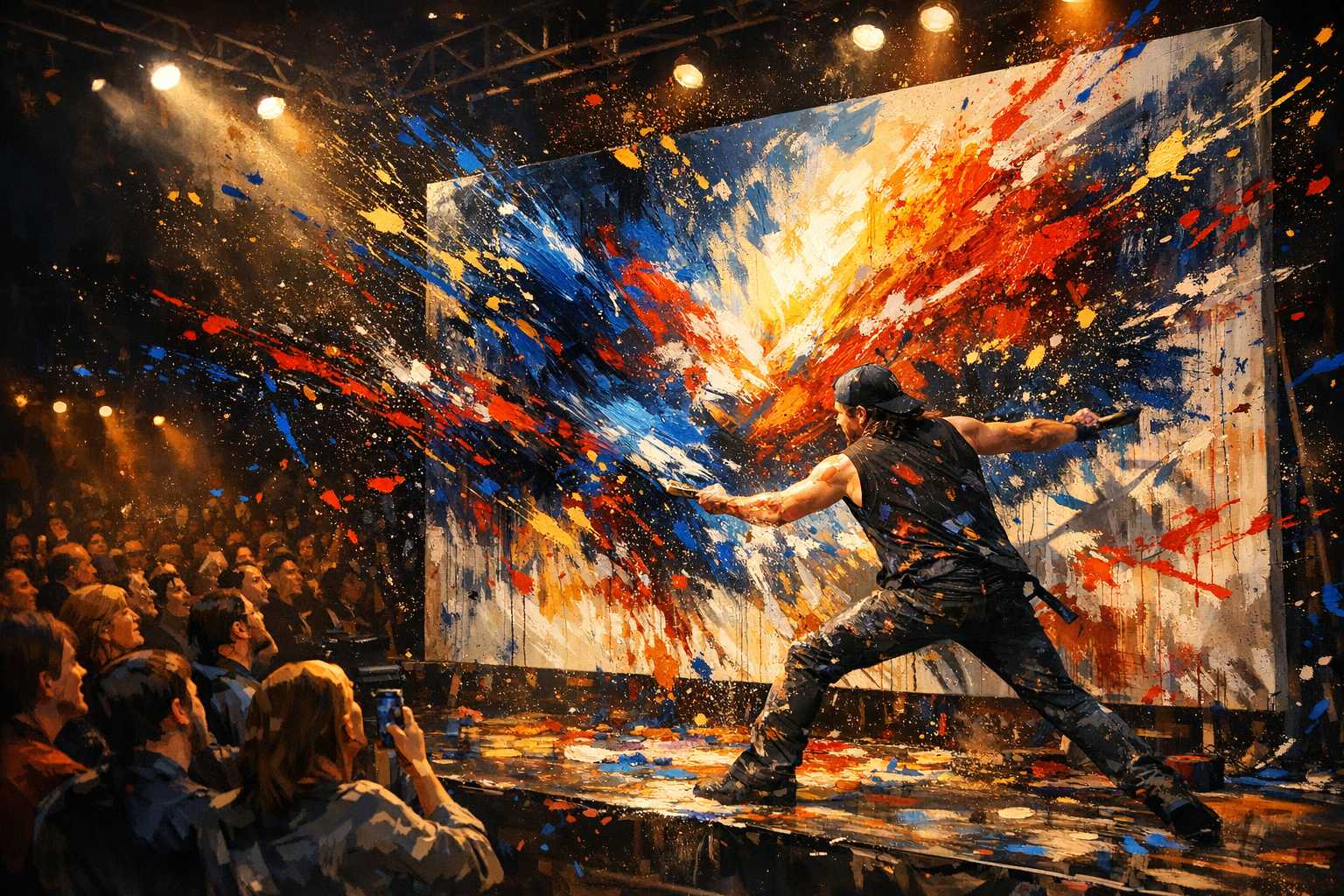
Performance Painting: A Vivid Exploration of Modern Artistic Techniques
Ever wondered what it would be like to witness a blank canvas metamorphose into a captivating piece of art right in front of your eyes? That's the magic of performance painting. It’s a gorgeous crossroads where creativity meets entertainment in the most enthralling manner.
Unraveling the Concept of Performance Painting
Performance painting is essentially art in action. Artists craft magnificent pieces before onlooking audiences, letting them journey through every brushstroke. It's akin to viewing a live film, but the climax reveals a splendid painting.
This vibrant art form amalgamates agility, talent, and flair. Artists frequently paint to the rhythm of music, establishing a melodious sync between their movements and beats. The outcome? A harmonious symphony of artistic brilliance.
Commonly Employed Techniques of Performance Painting
Velocity Painting
Often the go-to method for many, speed painting allows artists to produce detailed creations in significantly less time. They use decisive, bold strokes.
The trick here is strategic preparation. Proficient speed painters envisage their ultimate result before initiating their work. They premeditate the precise placement of each color.
Inverted Painting
This approach keeps the audience in suspense. Initially, the artists paint what appears to be formless confusion. However, the flip of the canvas reveals an impeccable portrait.
The crowd invariably reacts in awe upon witnessing the transformation. This surprise element infuses a hint of suspense, making the artwork remarkably memorable.
Multi-Canvas Story Weaving
Certain artists opt to utilize numerous canvases concurrently. They alternate between boards, shaping interconnected scenes. Each canvas narrates a fraction of a broader narrative.
This method results in vivid visual tales. The audience gets to follow the plot as it gradually discloses across several artworks.
Tools of the Trade for Performance Painting
Quick-Drying Paints
Acrylic paints are an ideal choice for performance painting, given their rapid drying time and ease of blending. Artists can effortlessly layer different colors without any significant delays.
Water-based paints are also viable options. They are easy to clean and safe for indoor use, all without producing strong odors.
Large-Scaled Brushes and Instruments
Performance painters need tools that leave a dramatic impact. Larger brushes yield striking strokes, while palette knives can contribute an interesting texture.
Some artists may adopt unconventional tools like sponges, fingers, and even entire hands. When it comes to creativity, the sky's the limit.
Robust Canvases
Canvases designed for performance painting should be sturdy enough to withstand vigorous strokes and rapid movements. Pre-stretched canvases can be a real-time saver for setup.
Lightweight canvas boards, perfect for smaller pieces and traveling performances, provide ease of transport.
Modern Advances in Performance Art
The Digital Leap
Cutting-edge technology is revolutionizing performance painting. Digital projectors can introduce backgrounds and visual effects, while LED lighting sets the mood and ambiance.
Some artists have even adopted digital surfaces to paint on, with touch-sensitive screens responding to their every move and blending the traditional with the new.
Audience Interaction
Nowadays, performance painting is frequently an immersive experience for the audience. They may get to choose color palettes or subjects, and occasional artists even welcome audience members to contribute strokes.
This participatory approach turns art viewing into a cherished collective experience. Ultimately, everyone in the room becomes a part of the creative journey, shaping a remarkable shared artwork.
Multi-Media Applications
Contemporary artists are increasingly mixing mediums, leveraging paints, markers, pastels, sand, glitter, or even different textures for their performance art.
Such diverse approaches result in distinct visual impressions. Each artwork becomes truly unique, keeping audiences immersed throughout the performance.
Embarking on Your Performance Painting Journey
Practice and Perfect Basic Techniques
Start by painting easy subjects like landscapes or abstract patterns. Try to do this swiftly, yet accurately. Repeat this until you’re comfortable with familiar themes.
Clock yourself during practice sessions and try to slowly cut down on the time while upholding the overall quality. Speed will surface with practice and muscle memory.
Cultivate Your Stage Persona
Being a performance painter isn’t only about the technique; being an impressive entertainer is crucial too. Learn to confidently engage with your audience while creating your masterpiece.
Make grace under pressure your ally. Sometimes, on-stage accidents can result in delightful outcomes. Confidence flourishes with experience.
Carve Out Your Unique Style
Every successful performance painter possesses a recognizable style. Some may specialize in portraits, others in abstracts. Discover what sparks your passion.
Let your style be an honest reflection of who you are. Audiences appreciate authenticity and relatability. Let your fervor manifest in your creations.
Advantages of Performance Painting
Boosts Self-Confidence
Painting publicly can lead to a substantial confidence boost. As an artist, you will learn to count on your intuition and skills. This cultivated confidence can positively influence other aspects of your life.
Publicly making mistakes can teach resilience and adaptability. These qualities apply to life much beyond the world of art.
Promotes Connection
Performance painting fosters a sense of community and shared experiences. The solitary act of creating art transforms into a communal affair. Communities often rise from these shared artistic experiences.
Artists usually amass a dedicated follower base. Audience members who regularly attend shows can eventually become friends and supporters, adding a touch of warmth to the artist-viewer relationship.
Develops New Skills
This form of art nudges against the conventional boundaries of artistry. It enhances speed, precision, decision-making, and even benefits your regular studio creations.
Furthermore, performance painting encourages entrepreneurial skills. It attracts lessons in marketing, pricing, and customer service. Through painting, artists learn aspects of self-promotion and managing a business.
Keys to Stellar Performances
Plan Out Your Composition
Establish the structure of your composition before you begin. Keep key elements lightly marked if needed. This roadmap will guide you during the performance.
Try to maintain designs slightly simpler than studio work. The time constraint calls for a less complicated approach. Prioritize visual impact over complex details.
Engage With Your Audience
Whenever possible, speak while you paint. Share stories or describe your techniques. Let the audience be part of your process.
Maintain regular eye contact. Display your passion for your work through your smiles and enthusiasm. Your energy will be infectious.
Practice Under Stress
Invite friends over to watch you rehearse. This will help you get accustomed to distractions and unexpected questions. Actual performances will seem less intimidating after enough practice.
Record your practice sessions to observe any awkward movements or periods of inactivity. Refine your performance just as you would any other skill.
What the future holds for Performance Painting
With technological advancements and unrestrained creativity, performance painting continues to evolve. The use of virtual reality might soon let audiences experience art in unprecedented ways, and artificial intelligence could offer color combination suggestions instantly.
Social media platforms have already reshaped the way artists disseminate their work. Live streaming can take performances to a global audience, offering endless potential for reach and influence.
In Conclusion
Performance painting gracefully merges artistic prowess with entertainment, uniting communities via collective creative experiences. Whether you’re an artist or simply a spectator, this dynamic medium has a stunning appeal.
Artistic techniques are continually diversifying as boundaries are pushed. The amalgamation of conventional techniques and modern tech innovation ensures every performance leaves a unique imprint in time.
Eager to try your hand at performance painting? Start with small steps, practice relentlessly, and above all, remember to enjoy the process. Your artistic expedition awaits, and your audience is ready to witness your magic unfold.