Light Art: Contemporary Illuminated Painting Guide
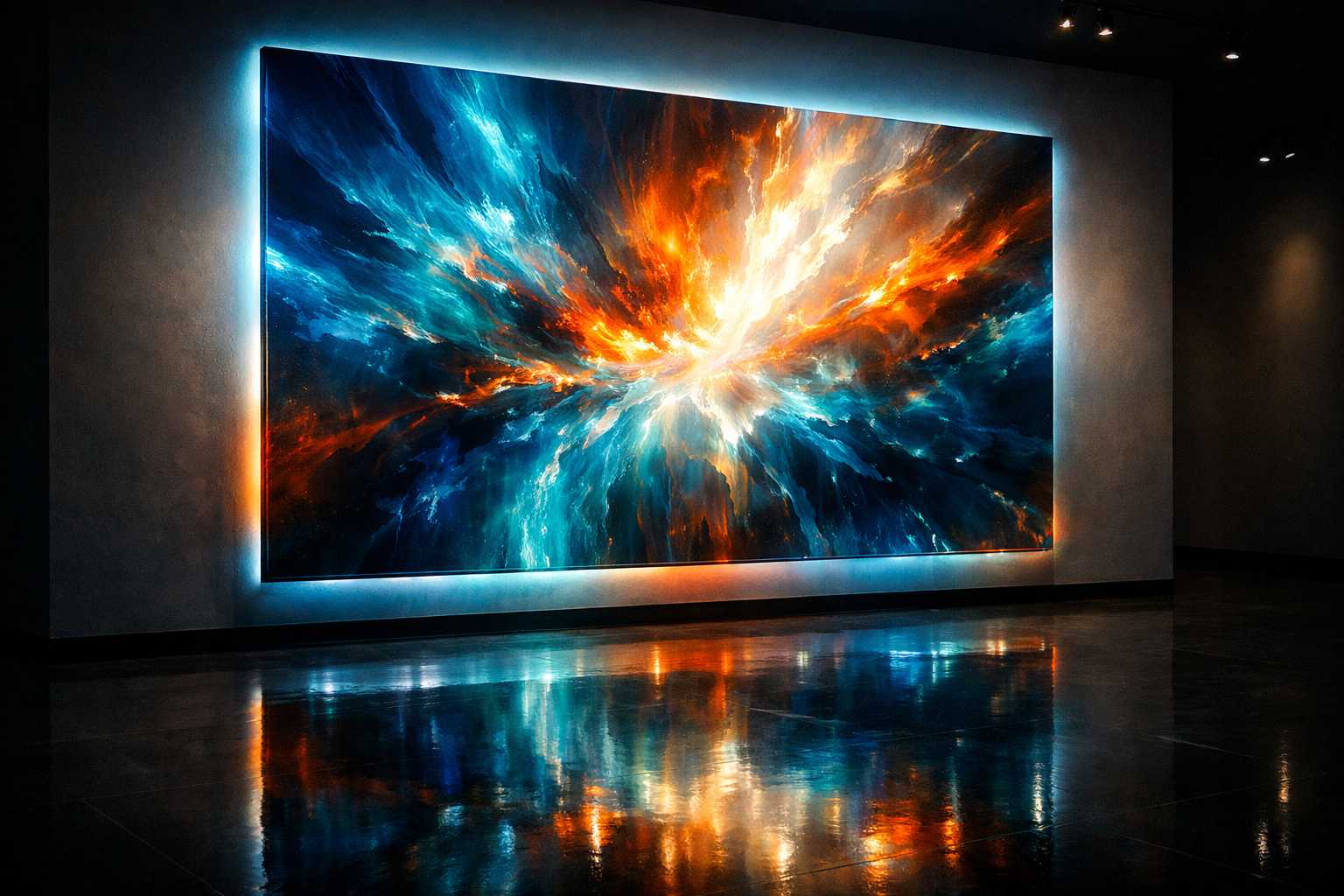
A Guide to Light Art: Understanding Contemporary Illuminated Painting
Imagine walking into a room and being completely captivated by a glowing piece of artwork. That is the alluring aspect of contemporary illuminated painting. This stunning form of art blends traditional painting methods with contemporary lighting technology, creating pieces that truly radiate brilliance.
My passion and intrigue for light art has lasted for years. The way these pieces metamorphose during both day and night is utterly captivating. Allow me to share everything there is to know about this thrilling form of artistic expression.
The Unique Appeal of Contemporary Illuminated Painting
Contemporary illuminated painting extends beyond just attaching a light to a regular art piece. Instead, it is a sophisticated blend of light and colors that draws depth and emotion.
These artworks undergo remarkable transformations based on different lighting conditions. When viewed in daylight, the pieces exude subtle elegance. But at nightfall, they metamorphosize into radiant artworks that captivate the viewer's attention.
This duality presents an incredible beauty. With this art form, you essentially get two varying artworks in one piece.
Required Tools and Material for Light Art
To begin your journey into illuminated painting, certain crucial supplies are needed. Relax, they won't break your bank.
Necessary Supplies: - Transparent or translucent paints - LED light strips or panels - Glass or acrylic canvas - Basic electrical parts - Materials for protective coating.
LED lights are your go-to for this form of art as they are energy-efficient, durable, and produce minimal heat, which decreases the risk of your artwork suffering heat damage.
For beginners wanting to start, I often suggest battery-run LED strips. They're safer and more manageable.
Modern Techniques Used in Light Art
Backlighting Technique
The backlighting method involves positioning lights behind your painted surface. The lights shine through the translucent paints, creating a beautiful glow effect.
Always begin with lighter shades before gradually moving to darker tones to create a natural illuminated depth.
Edge Lighting Approach
Edge lighting involves the placement of lights around your artwork’s perimeter. This technique works exceptionally well with acrylic panels.
The light moves through the material and exits where the paints or etched designs are. Watching your artwork come to life feels magical.
Embedded Lighting Integration
This advanced method requires incorporating lights directly into your painting layers. Though it demands more planning and coordination, the results are simply breathtaking.
Each layer needs to dry completely before adding lights. This requires working in sections.
Selecting the Right Colors and Paints
Color selection plays a vital role in contemporary illuminated painting. While some colors radiate beautifully under lights, others can seem murky or uninspiring.
Ideal Colors Include: - Bright oranges and yellows - Electric blues and teals - Vibrant greens - Light grays and pure whites
Adding phosphorescent or fluorescent paints can enhance your piece's appeal. They absorb light during the day and slowly emit it after.
Test your color combinations with your selected lighting solutions. An appealing daylight color might look completely different when lit.
Technical Considerations for Creating Light Art
Safety first always. Working with electricals and art materials needs careful planning and handling.
Ensure each electrical connection is thoroughly insulated. Go for appropriate voltage ratings for your setup. If unsure, always ask for help from an electrician.
Think about your artwork's power source in the initial stages of designing. Will it plug into a power outlet, or do you need a backup battery?
Another crucial aspect is the management of heat. Even LEDs generate heat over time. Always ensure proper ventilation for your artwork.
Tips for Displaying and Installing
Positioning plays a big part in displaying illuminated artwork. Your aim should be to maximize the visual appeal while ensuring operational functionality.
Take into consideration the current lighting in the room. Allow your illuminated painting to enhance, not clash with the other light sources.
Mounting on walls requires additional support due to the extra weight from the lighting elements. Always use securely and appropriate brackets and anchors.
Remember to factor in access for maintenance. Eventually, lights will need replacing or adjustments will be needed.
Contemporary Artists Leading the Trend
A number of outstanding artists today are pushing illuminated painting boundaries. Their work inspires and sets new possible heights for this medium.
James Turrell's work proves how light can transform entire spaces, blurring the line between architecture and art. Olafur Eliasson merges natural elements with artificial lighting to create installations that make you think.
Both these artists show the potential and beauty behind contemporary illuminated painting.
Taking Care of Your Illuminated Artwork
Maintenance is relatively straightforward. Regular dusting will keep your artwork clean and bright.
Regularly check your electrical connections for wear or loose components.
LED lights are typically long-lasting, but always keep spare parts handy. You don't want your artwork to suddenly go dark.
If your piece is battery-powered, store it at a moderate temperature. Extreme cold or heat can affect battery performance.
Future of Light Art
The future of contemporary illuminated painting is promising with exciting possibilities due to the constant evolution of technology.
Imagine programmable color changes and effects through smart lighting systems. Or solar-powered pieces for outdoor installations and eco-friendly indoors. Even interactive elements like touch responses or motion sensors make viewers part of the artwork.
Starting Your First Project
Ready to craft your first illuminated artwork? Start small, take it slow, and build your skills progressively.
Opt for a smaller project initially. A simple geometric design is perfect for beginners.
Plan out your entire design before you start; sketch where you'll place lights and how they'll connect.
Take your time at every step. Rushing could lead to mistakes that may be hard to rectify later.
Feel free to experiment with different techniques and materials. The best discoveries are often made by accident.
Conclusion
Contemporary illuminated painting presents a world of endless creative possibilities. This art form shines a light—literally and figuratively—on our lives and emotions.
Whether you're an accomplished artist or looking to explore your artistic side, this medium is diverse and offers something unique to everyone. The blend of traditional painting skills with contemporary lighting technology offers a vast canvas for self-expression.
Why not start exploring this fascinating art form today? Who knows, your first radiant piece might just light up your world.
Remember, every master was once a novice too - so take that first step and let your creativity radiate!