Eco Art: Sustainable Modern Painting Practices
The Importance of Sustainable Art Supplies
Typically, conventional artistic materials may contain damaging chemicals. Many types of paints utilize toxic solvents which, in turn, contaminate our air and water.
Producing canvases often involves harsh procedures, while synthetic brushes contribute to the accumulation of plastic waste, and even simple cleaning processes can cause environmental harm.
However, nearly every traditional material now has a sustainable counterpart - and they're becoming increasingly convenient to obtain. A lot of artists have found that they actually prefer these environmentally friendly options.
Natural Pigments: A Palette Inspired by Nature
Plant-Based Pigments
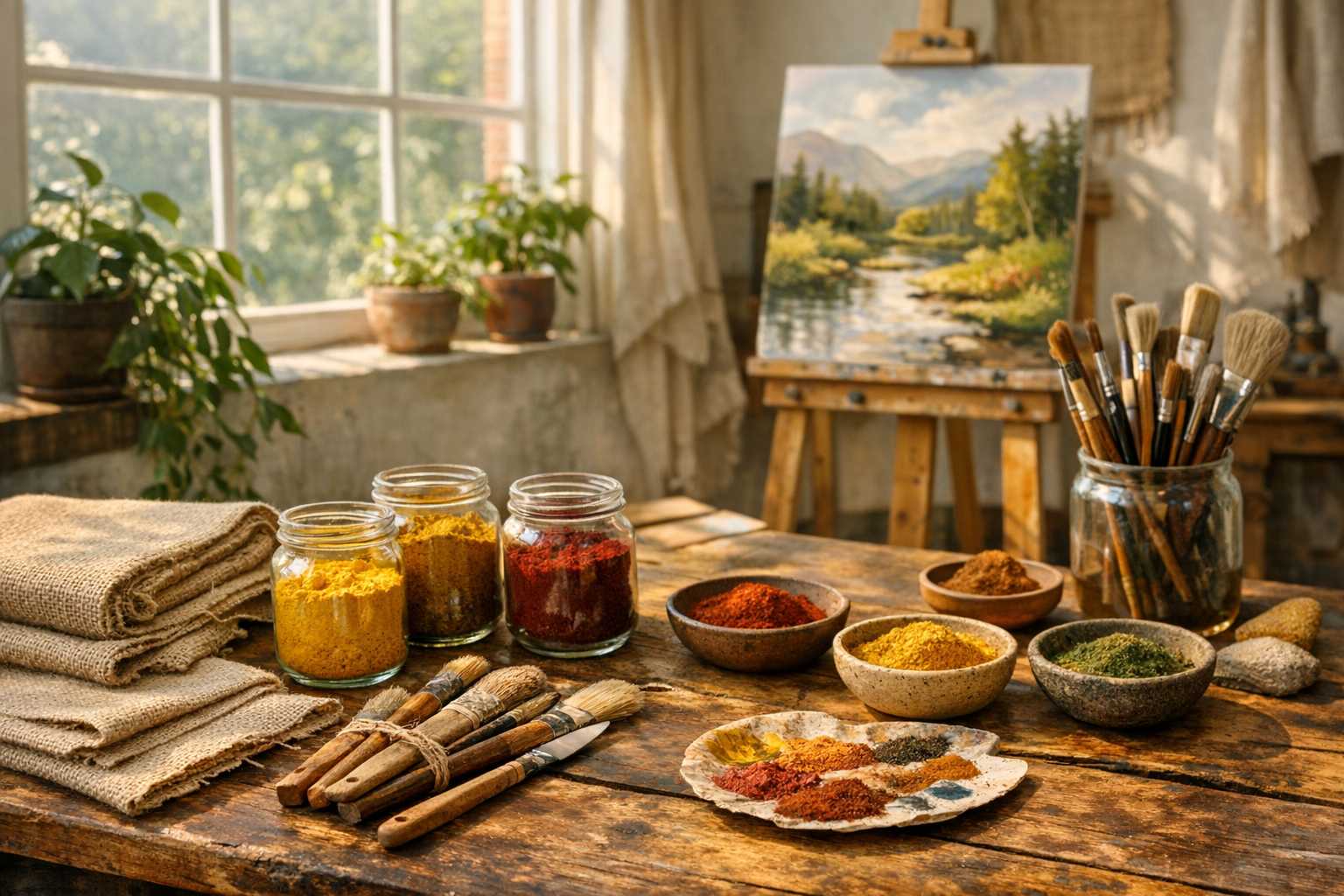
Nature provides a wealth of remarkable materials for painting. Turmeric serves as a source of brilliant yellows, beetroot provides deep red hues, and coffee grounds can yield rich browns.
Many contemporary artists have begun creating their own pigments by gathering berries, flowers, and leaves - a process which connects them more profoundly with their art.
Nonetheless, commercially produced natural pigments are also available. Businesses like Kremer Pigments offer environmentally conscious options that deliver consistency for professional art.
Earthen Pigments and Clay
Clay and soil yield astonishing colors: ochre results in warm earthy shades, umber provides deep, rich browns, and sienna gives beautiful oranges and reds.
These materials have been harnessed for years; even cave painters and Renaissance masters utilized earth pigments and crafted their own colors from natural resources.
Today’s artists are reexploring these techniques, innovating new ways to process natural materials and frequently finding themselves surprised by their vibrancy.
Environmentally-conscious Painting Mediums
Water-based Alternatives
Water-based paints diminish toxic fumes, rendering them safer for both artists and the environment. Cleaning up after using these often requires no more than just soap and water.
Acrylic paints have seen considerable improvements; many now promise superb coverage and durability. Some brands even focus specifically on creating eco-friendly formulations.
Watercolors, by their very nature, are more sustainable since they require less packaging than oil-based paints, and transporting them is less energy-intensive due to their lighter weight.
Plant-Based Binders
While conventional oil paints commonly use petroleum products, sustainable alternatives favor plant-based oils, such as those derived from linseed, walnut, and poppy seeds.
These natural binders have been historically employed and the longevity of the Old Masters' paintings is a testament to this fact. Modern processing techniques have even enhanced their quality.
Some particularly innovative artists have experimented with uncommon binders, using egg yolk, honey, and even tree saps, producing truly distinctive textures and effects.
Sustainable Canvas and Surface Alternatives
Reusing Materials
Old sheets find new life as painting surfaces, cardboard from packages can be used for studies, and even discarded wood can serve as an interesting foundation for art.
Many artists repurpose materials found in thrift stores, readying these surfaces with eco-friendly primers. As well as aiding the environment, this approach also has the added benefit of saving money.
The preparation of these repurposed materials can become part of the creative process, leading artists to develop unique techniques for various materials and unearthing a multitude of exciting possibilities.
Hemp and Linen Substitutes
Hemp canvas demands less water to produce, grows rapidly even without pesticides, and is a source of durable and long-lasting surfaces.
Alternatively, linen, fashioned from renewable flax, offers another sustainable option and can last for centuries if handled correctly.
There are also manufacturers now providing recycled canvas options, turning textile waste into viable art surfaces, combining familiar textures with lessened environmental impact.
Green Studio Operational Practices
Waste Reduction Techniques
By employing clever planning, artists can curtail material wastage. Mixing smaller color batches and storing leftover paint in sealed containers is one such method.
Managing an artist's palette also plays a significant role: glass or metal palettes, for example, are easier to clean than their disposable counterparts and can provide indefinite use with the right care.
Many studios have adopted recycling programs, sorting different types of waste to allow for potential reprocessing for other uses.
Energy-efficient Lighting
Less electricity-consuming, LED lights also produce less heat than traditional light bulbs, thereby helping maintain a comfortable studio environment whilst saving energy.
Natural lighting remains the ultimate ideal, with north-facing windows ensuring constant illumination and aiding artists in accurately representing colors.
Alternatively, some artists choose to install solar panels in their studios, using them to power their lighting and equipment. Despite the upfront investment, it pays off in the long run.
Water Conservation
Cleaning brushes, though a necessary step, consumes a large amount of water. However, simple measures can lessen this consumption: For instance, artists can use multiple containers for different stages of cleaning, and even reuse settling water.
Some studios have installed water recycling systems, filtering and reusing painting water. This recycled water can also be utilized for non- artistic purposes.
Supporting Environmentally-conscious Art Supply Companies
Research Before Purchasing
Not all products marketed as eco-friendly actually live up to the claim. Some companies partake in 'greenwashing', a practice of misleading the consumer with false environmental claims. Thorough research can aid in identifying genuinely sustainable choices.
Checking for specific certifications can also be helpful - organizations such as Green Seal can verify environmental claims. Third-party testing offers a reliable source of information.
It's also critical to read the product ingredient lists carefully, steering clear of items containing volatile organic compounds (VOCs), and opting for items with renewable components whenever possible.
Local Acquisition
Purchasing supplies locally helps diminish transportation emissions and boosts community businesses. Several cities harbor art stores which focus on sustainable items.
Local suppliers tend to have an intimate knowledge of their products, and can offer detailed information about the ingredients. These personal connections also help in maintaining consistent quality.
Some areas also contain craft cooperatives. These groups purchase supplies in bulk allowing members to save money while also curtailing packaging waste.
The Creative positivity of Sustainable Practices
Unique Artistic Aftereffects
Natural materials can yield unpredictable results: plant pigments, for example, can change color over time, adding an element of surprise to artwork.
Earthen pigments offer subtle variations - no two batches would be identical, and this natural variation can become an asset to an artist's expression.
Recycled surfaces also provide intriguing textures: old wood, for instance, can reveal grain patterns, while fabric displays weave structures that can influence the application of paint.
In-depth Connection to Materials
The process of making their own pigments enables artists to develop a closer relationship with their colors and therefore, a deeper understanding of their material. This can influence their artistic decisions.
Foraging for materials also allows artists to connect more with nature, taking note of seasonal changes and weather patterns, which often ends up reflected in their artwork.
Moreover, the slower pace of sustainable techniques fosters mindfulness in artists, allowing them more time to reflect upon each individual decision and often resulting in a more flowing artistic output.
Potential Challenges and Solutions
Cost Implications
Sustainable supplies can sometimes cost more initially. However, they tend to last longer than their non-sustainable counterparts and the price difference is gradually decreasing due to increasing demand.
Creating personal materials can thereby reduce costs. After recovering the upfront equipment costs, artists also find themselves gaining a valuable learning opportunity.
Collaborative purchases can also help cut down costs. Artist communities can organize mass purchases - collective knowledge ends up benefiting everyone involved.
Accessibility Issues
In rural areas, it can be difficult to find sustainable choices; online shopping can help bridge this gap, with several eco-friendly suppliers offering nationwide shipping.
Availability of some materials may depend on the season. Artists may learn to collect natural materials during their peak seasons.
Experimentation can also help in discovering local alternatives. Each region is abundant with different natural resources, which can encourage artistic variety and regional uniqueness.
The Future of Environmentally Conscious Art
Advancement in technology is bettering the options available for eco-friendly supplies. New formulations now match the performance of traditional paints, making it easier than ever to choose sustainable options.
Art schools are now emphasizing the importance of sustainable practices, boasting a newer generation of artists that prioritize the environment. It's likely that this trend will continue to grow.
Also, art museums and galleries are putting a higher value on sustainability, factoring in environmental impact while: considering acquisitions. This trend prompts more artists to adopt green practices.
Adopting Sustainable Painting Practices
Starting with small changes can make the transition easier. One can slowly replace conventional supplies one at a time, making the transition less overwhelming and expensive.
Simple experiments with natural pigments available in every kitchen, like vegetable- or spice-based paints, can do wonders. These trials incur little cost but provide valuable lessons.
Creating connections with other environmental-conscious artists can also be helpful. Online communities can provide tips and tricks, while local groups can provide hands-on learning opportunities.
Document your process by chronically photographing your journey in natural pigment-making and share them with others learning similar techniques.
Creating A Difference Through Art
Every choice made towards sustainability counts - even the smallest actions can accumulate to effect significant change. Artists can inspire others by their practice.
Artwork created sustainably often conveys environmental narratives. These pieces can raise awareness about ecological issues, making art a powerful instrument of change.
The beauty of sustainable art is a testimony to the fact that taking responsibility for the environment doesn't have to come at the cost of creativity or artistic expression. This synergy is increasingly becoming popular amongst contemporary artists.
Sustainable contemporary painting methods offer exhilarating possibilities, reconnecting us with traditional techniques while addressing modern-day concerns. The future of art carries an air of being more environmentally conscious and creative than ever.