Bio Art: Scientific Modern Painting Techniques
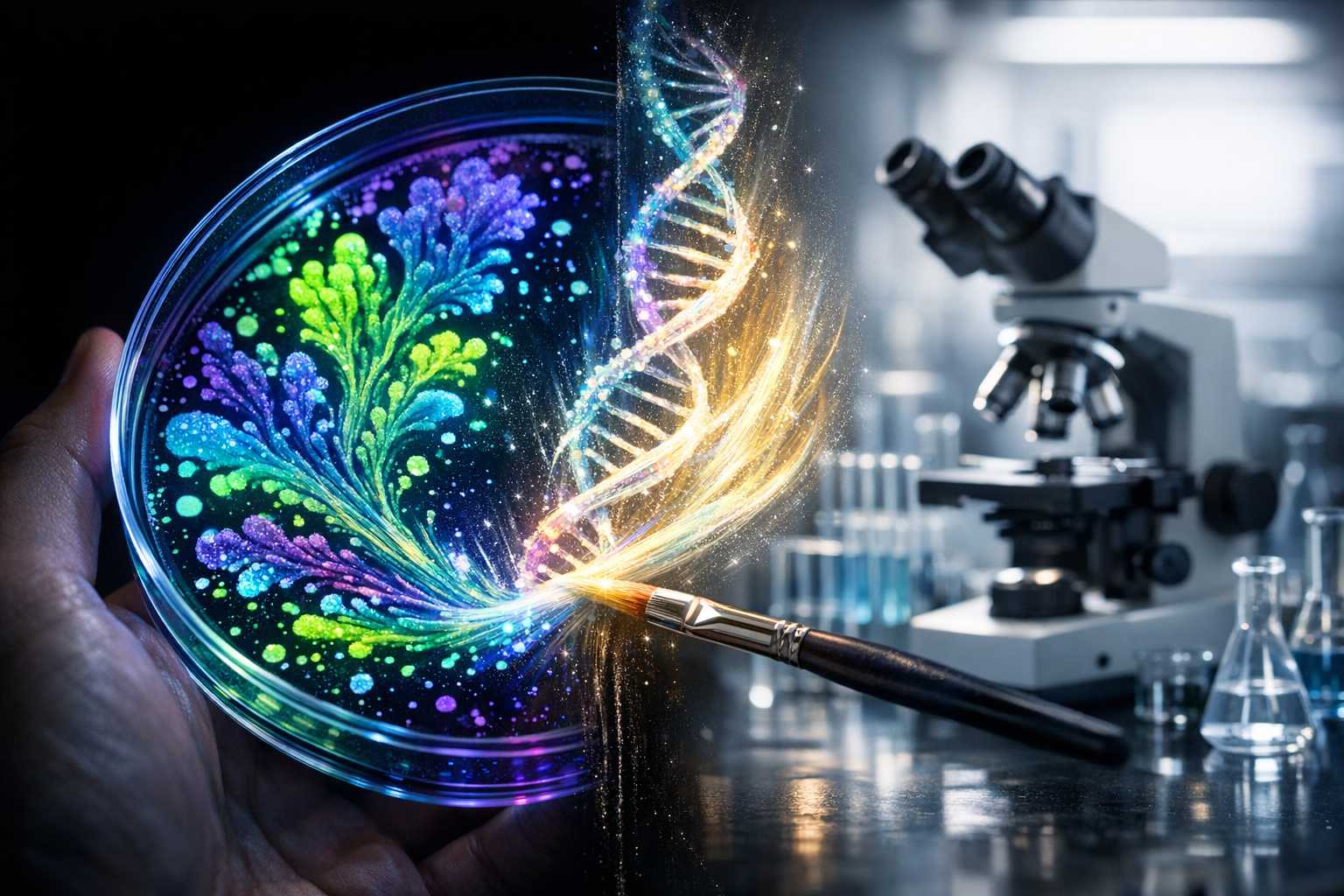
The Intersection of Science and Art: Modern Painting Techniques in Bio Art
Bio art, an innovative blend of scientific and artistic enterprise, is revolutionizing our perceptions of creativity. Living materials serve as the canvas for artists, resulting in captivating, one-of-a-kind art pieces.
What Sets Bio Art Apart?
Bio art pushes the boundaries of conventional painting. Here, artists find their muse in bacteria, cells, and even DNA, crafting living pieces that evolve with time.
Ever since the 1990s, bio art has seen a rising trend as artists and scientists began merging their unique skillssets to discover novel ways of creating art.
Engaging with Living Materials
Microbial Canvases
Artists dabbling in bio art sometimes opt to use bacteria as pigment. They cultivate vibrant colonies of bacteria on agar dishes, with varying species offering a range of colors and designs.
The meticulous procedure requires sterile measures. Artists operate within uncontaminated lab environments and vigilantly control temperature and nutrients to nurture the bacterial growth.
Cellular Artistry
Living cells become the art medium in this creative endeavor. Scientists foster cell growth in specialized dishes, and artists then direct their progress into eye-catching patterns.
These works of art truly come to life as cells divide and reproduce over a course of several days or weeks. The final work of art unveils itself through a process of evolution.
The Artistry of DNA
Bio art opens up a world of artistic possibilities with DNA. Genetic codes can be manipulated by scientists to produce specific hues, with genes from fluorescent organisms like jellyfish or coral being inserted into other organisms.
This innovative method results in glowing works of art that shine radiantly under certain lights, functioning like bioluminescent signage.
In addition to this, artists frequently conceal messages within DNA, encrypting literary works such as poems or stories into genetic sequences, giving the artwork depth and a hidden meaning at a molecular level.
Contemporary Equipment and Techniques
Lab Tools for the Artist
Bio artists employ a plethora of advanced tools. Microscopes enable artists to view minuscule details, whilst incubators provide optimal growth conditions.
Previously exclusive to research labs, centrifuges and PCR machines, used to separate distinct materials and replicate genetic substance respectively, have now found their place in the bio artist's arsenal.
The Digital Intersection
A number of bio artists elect to blend traditional methodologies with digital techniques. They capture images of their living artwork over time, with time-lapse videos adding a dynamic perspective to the growth process.
Sophisticated software assists artists as they engineer their genetic modifications, helping predict the development of their 'living paint', and consequently refining the end product.
Popular Techniques in Bio Art
Bioluminescent Paintings
Using light-emitting organisms, artists craft luminous masterpieces. Genes from fireflies and marine organisms colour the bacteria, producing bright green, blue and purple hues.
These glowing paintings uncover their beauty in darkness, providing an enchanting viewing experience. The artwork not only captivates the viewers but also illuminates the exhibition space.
Protein Crystal Art
Protein crystals, reminiscent of precious jewels, form intricate geometric patterns. Artists arrange these crystals into stunningly balanced compositions.
Artists manage to manipulate these factors successfully to create an envision masterpiece.
Safety and Ethical Considerations
Bio art necessitates stringent safety requirements and protocols. Artists often collaborate with bioethicists to establish norms for responsible creation, striking a balance between creative freedom and scientific responsibility.
The Future of Bio Art
Bio art is a rapidly progressive field, with cutting-edge technology offering a wealth of opportunities. Developments such as 3D bioprinting and CRISPR gene editing amplify the possibilities in this realm, blurring the line between the organic and the artificial.
Embarking on a Bio Art Journey
Academic Background and Training
Prospective bio artists require a thorough understanding of science. This can be obtained through biology or biotechnology courses and even specialized bio art programs. Workshops help artists perfect their lab skills and learn about safety protocols, laying the foundation for their artistic science journey.
Choosing the Right Workspace
Since bio art demands specialized spaces, conventional home studios are often ill-suited for most techniques. Artists usually collaborate with academic institutions or research centers for appropriate facilities, while some cities offer communal bio labs that make bio art more accessible to emerging artists.
The Significance of Bio Art
Bio art plays a crucial role in rendering complex scientific concepts accessible and engaging for audiences. By visually exploring our relationship with nature and technology, bio art sparks dialogue about genetic engineering and biotechnology.
As the potential of technology is unlocked, more artists are discovering the untapped allure of living materials in art, establishing bio art as a cornerstone of future creativity.
For artists and science enthusiasts alike, bio art offers a unique perspective, inviting us to appreciate the marvels of the living world in new, exciting ways.