Augmented Reality Painting: Interactive Art Guide 2026
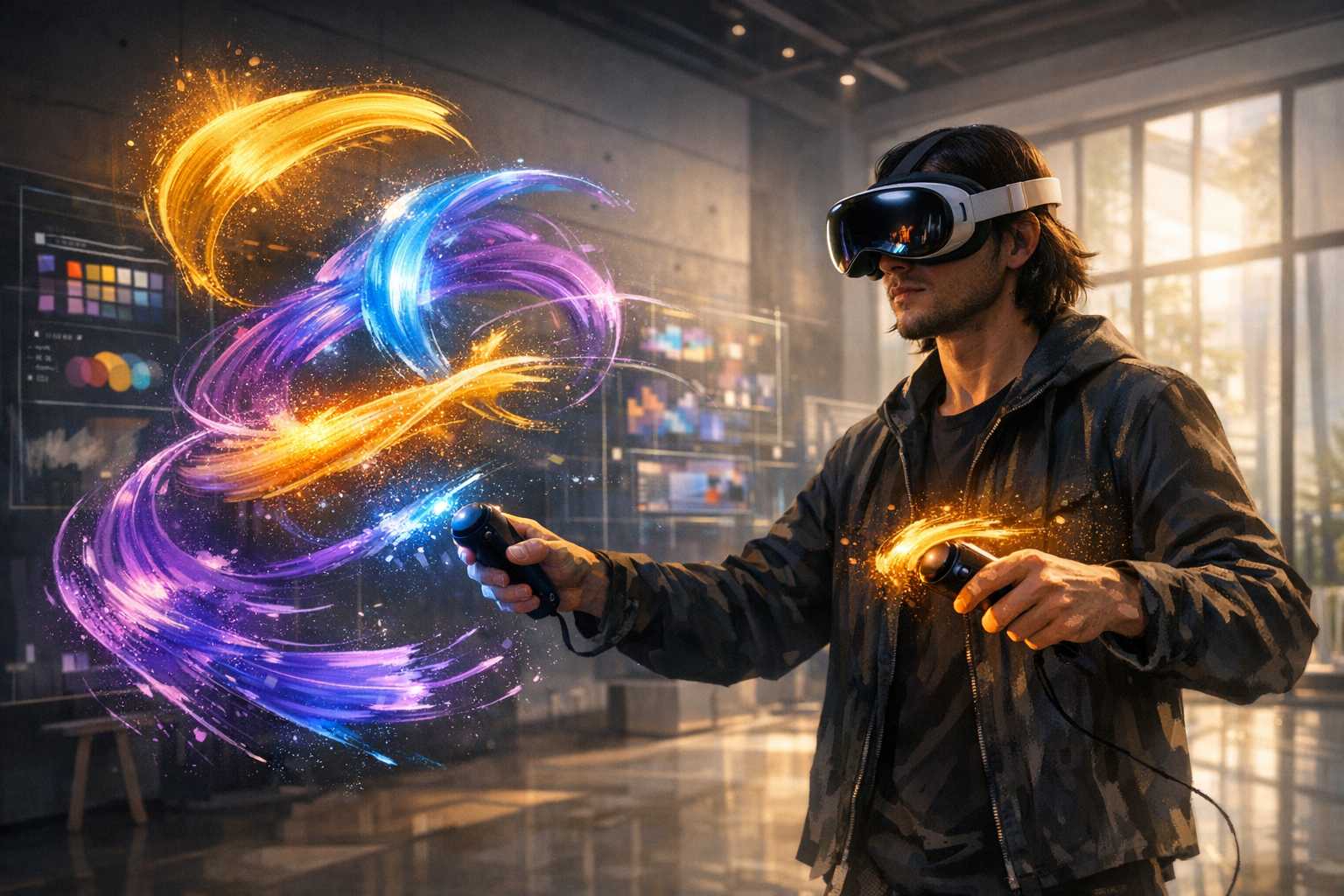
The Evolution of Art: 2026 Guide to Interactive Augmented Reality Painting
Art and technology are merging in unprecedented ways, leading to revolutionary changes in how we experience and create art. Augmented reality painting stands at the forefront of this evolution.
Unpacking Augmented Reality Painting
Augmented reality (AR) painting is an innovative fusion of digital elements and the physical world. This dynamic form of art leverages AR technology and specialized tools to bring two-dimensional creations to life with movement, color shifts, and interaction capabilities. It's not just an idea for the future, but a reality artists are embracing worldwide.
The Must-Have Tools for AR Painting in 2026
Key Hardware
Creating AR paintings necessitates specific gadgets. An exceptional AR headset is the foremost investment, with popular options including:
- Apple Vision Pro
- Meta Quest 3
- HoloLens 3
- Magic Leap 2
Additionally, motion controllers are invaluable, capturing your hand movements with remarkable accuracy.
Software Platforms
Prominent platforms offer unique attributes tailored to various skill levels:
Tilt Brush, adored by beginners for its user-friendliness and boundless creative potential.
Gravity Sketch, favored by professionals for its suite of advanced tools for intricate projects.
Adobe Aero, offering seamless integration with other Adobe products - an excellent choice for Creative Suite users.
Setting the Stage: Commencing Your AR Painting Journey
Preparing Your Workspace
Select a spacious room and keep it free from obstacles due to the need for movement in AR painting. Ensure there's ample lighting and a stable internet connection for efficient cloud-based interactions.
Learning the Basics
Begin with basic shapes and gradual movements. Train yourself to draw straight lines and perfect circles - these basic skills remain relevant in AR art. Experiment with various brush sizes and textures, taking advantage of options not available in physical mediums.
Mastering Layers
Just like conventional digital art software, AR painting utilizes layers, each possessing unique properties. Some layers may only be visible from particular angles, while others may respond to sounds or movements. Learning to manage layers is crucial for the creation of intricate AR art pieces.
Exploring Advanced AR Painting Techniques
Making Art Interactive
AR art truly comes alive when it interacts with viewers. Motion detectors can activate animations, while sound-reactive paintings adapt to music or surrounding noise. Some artists even design their work to respond to live weather data, creating pieces that mirror external conditions.
Fostering Collaborative Creation
AR allows multiple artists to collaborate on the same artwork synchronously, regardless of their physical location. This feature is transforming art educational approaches, allowing students to learn directly from masters globally.
Integrating with the Environment
High-level AR art can interact organically with their physical environment, wrapping around furniture pieces or architectural structures. Certain works may alter based on variables like time of day or the number of individuals in a room, providing a unique viewing experience each time.
The Expanding Market of AR Art in 2026
Selling and Exhibiting AR Artwork
The AR art market is burgeoning. Non-fungible tokens (NFTs) offer an efficient method to authenticate and market digital AR art, with blockchain technology securing ownership rights. Physical installations are also high in demand, with primary buyers being museums and corporations.
Exhibition spaces are transforming to accommodate AR art by including special AR-equipped viewing areas. Virtual galleries in the AR space are emerging, allowing worldwide access to their collections. Even traditional art fairs now host AR pavilions to attract young, tech-savvy patrons.
Building an AR Art Career
To start, curate a portfolio of your AR works and document them using video recording. Social media platforms such as Instagram and TikTok are also excellent mediums to display dynamic art. Networking within the AR art community through virtual meetups and conferences can provide invaluable opportunities and connections.
Overcoming Technical Challenges in AR Art
Circumventing Hardware Limitations
Current AR tech has limitations, including a restricted battery life that limits prolonged working sessions and resolution constraints affecting fine detail work. Though equipment costs remain high, prices are slowly decreasing.
Tackling Software Bugs
Software inconsistencies are not uncommon in AR painting platforms. Save regularly to avoid losing work and be cautious when choosing your tools due to compatibility issues. Always have backup versions of essential software to combat malfunctions during updates.
Conquering the Learning Curve
Learn to think three-dimensionally and adapt to different interface designs across platforms. Treat technical troubleshooting as an opportunity to problem solve creatively.
Predicting Future Trends in AR Painting
AI Integration
Artificial Intelligence (AI) will provide intelligent brushes and digital art instructors, proposing color combinations, perspective, and composition. Machine learning will leverage data from successful AR artworks to enhance future tools.
Haptic Feedback
For a more authentic painting experience, future AR painting will include haptic gloves that simulate texture and resistance. This innovation will help bridge the gap between digital and physical art.
Cross-Reality Experiences
The boundaries between AR and VR will dissolve, creating a new standard called mixed reality where physical and digital elements merge seamlessly.
Ensuring Health and Safety While Creating AR Art
Preventing Eye Strain and Physical Discomfort
Take breaks every half an hour during long AR sessions, adjust headset settings for comfortable viewing, and use adequate lighting in your workspace. Stay hydrated, do regular stretching, and rest to avoid neck strain.
Managing Motion Sickness
Begin with short AR sessions and slowly increase duration to avoid nausea. Fresh air and good ventilation can alleviate discomfort. If you feel unwell, stop immediately and take necessary precautions.
Community and Additional Resources for AR Artists
Online Communities
AD art communities on Reddit and Discord servers offer peer feedback and real-time interaction with fellow artists. YouTube tutorials provide specific technique instructions.
Educational Resources
Universities are integrating AR art into their curricula while online courses on platforms like Coursera and Udemy offer structured learning programs. Workshops and masterclasses connect you with industry professionals.
Sources of Inspiration
Follow leading AR artists on social media, visit AR art exhibitions when possible, and experiment with various AR applications.
In Conclusion
AR painting is an exciting and achievable future for art, merging traditional creativity with advanced technology. As tools improve each year and costs decrease, now is an optimal time to begin your AR art journey.
Don't postpone your creative endeavors waiting for tech advancements. Start exploring with available resources today. Remember, even masters were once novices - make your first stroke in the canvas of the future with AR today.