No-Fail Painting Ideas for Absolute Beginners 2026
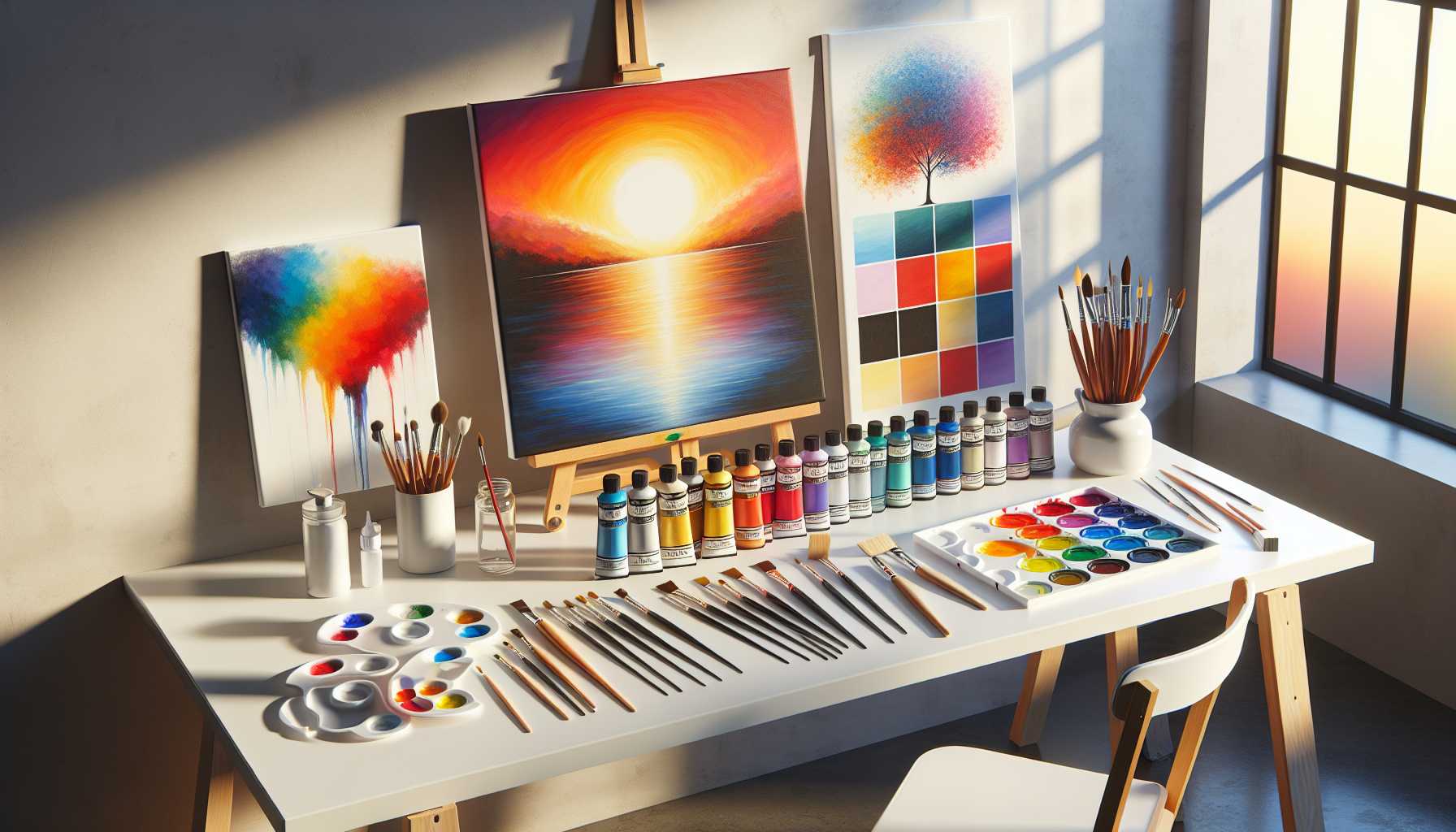
Get Started with Painting: A 2026 Guide for Absolute Beginners
Beginning to paint can be a daunting undertaking- believe me, I've been there! Looking at an empty canvas, wondering if you'll create a masterpiece or just end up with a disjointed jumble of colors.
But here's the reassuring news: every painter, including Picasso, had to start somewhere. This guide aims to provide you with foolproof painting ideas tailored specifically for beginners.
The Efficiency of these Painting Ideas for Pure Beginners
These projects are designed around simple techniques, requiring no advanced skills or expensive materials. Each idea gradually boosts your confidence as a budding artist.
Drawing from my experiences with my students, these ideas are effective because they eliminate the need to second guess yourself. You'll have clear instructions on what to do and when to do it.
Necessary Supplies for Beginners
Don't be fooled into buying costly starter kits. Here's what you truly need:
- Acrylic paints (red, blue, yellow, white and black)
- Canvas boards (a more cost-effective option compared to stretched canvases)
- Basic brushes (both flat and round mediums-sized brushes)
- Paper towels and containers for water
- Plastic palette (or a simple paper plate)
Begin with the basics and gradually upgrade as you progress.
10 Unfailing Painting Ideas for Beginners
1. Abstract Color Blocks
Consider this your confidence booster. Paint simple colored rectangles and let them overlap slightly for a more appealing look.
There are no hard rules- if it looks good to your eyes, consider it perfect. This technique will allow you to get familiar with color mixing without feeling pressured.
2. Sunset Silhouettes
Paint a gradient sky transitioning from yellow to orange and finally to purple. Add a simple silhouette in black, choosing subjects such as a tree or mountain.
Don't fret if your gradient painting isn't smooth, remember that actual sunsets have imperfections too!
3. Simple Flowers
Begin with basic shapes: circles for the flower heads, lines for the stems, and ovals for leaves. Use an array of bright, cheerful colors.
Paint an odd number of flowers, ranging from five to seven, as they seem more visually pleasing. Vary the heights slightly to mimic a natural arrangement.
4. Ocean Waves
Employ horizontal brushstrokes to depict water. Demostrate a transition from light blue at the top to progressively darker blues at the bottom for a realistic effect. White highlights can be used to suggest foam.
5. Mountain Landscapes
Paint mountains as easy triangular shapes. Vary their tones from light (farther away) to dark (closer). Add a simple sky background.
6. Tree Studies
Focus on a type of tree. Oak trees can be represented as round, full canopies, while pine trees can be simple triangles. Start with these basic shapes, then add more detail.
Whenever possible, observe real trees. Make a mental note of how branches split and decrease in size. This observation will enhance all your future paintings.
7. Cloudy Skies
Paint fluffy white clouds against a blue sky. Dry brush technique is useful here for creating soft, fluffy edges. Add tiny amounts of gray or pink to the clouds for a more realistic look.
8. Simple Still Life
Arrange three objects on your table. Objects like an apple, a cup, and a book are a good start. Begin painting what you see using basic shapes.
Don't fixate on perfect scaling at first, focus on capturing the general shapes and colors. Precision will come with practice.
9. Geometric Patterns
Create patterns using circles, triangles, and squares. Use a limited color palette for unity. This builds design skills.
10. Night Sky
Paint a dark blue or black background. Use white dots to represent stars and add a simple moon. This idea is straightforward yet provides charming results.
Common Mistakes Beginners Should Avoid
Excessive use of paint is wasteful and can result in muddied colors. Start with small amounts as you can always add more.
Hurrying might lead to frustration. Allow layers to dry before applying the next. Patience leads to better results!
Avoid comparing your work with proficient artists as it might hinder your growth. Instead, compare your most recent work with past paintings.
Skipping regular practice will stunt your growth as an artist. Regularly practice painting, even if it's for short durations.
Developing Skills Layer by Layer
Start with one project per week and fully grasp it before moving to the next. This ensures a strong foundation.
Maintain a painting journal to document your learning journey. Note down successful techniques and areas for improvement.
Financially Smart Tips for Beginner Painters
Invest in supplies gradually. Begin with the essentials; more colors and tools can be incorporated later.
Look for discounted materials at craft stores. Be strategic and shop for canvases and paints during sales.
Challenging Yourself: When and How
After successfully creating 5-7 beginner paintings, challenge yourself with intermediate techniques like simple color mixing or basic shading.
Joining local painting groups or online communities can be beneficial. Observing other people's work can provide inspiration and present new techniques and ideas.
Where to Go from Here
Choose a project from the list above. Prepare your materials, set aside a couple of hours this weekend to paint.
Don't aim for perfection in your initial paintings. Aim for completion and remember, each completed painting is an opportunity to learn something new.
Every professional artist started right where you are, at the beginning. They continued to paint despite feeling awkward during their initial days.
So make your first brushstroke today! Choose an idea from this guide that appeals to you the most and start your exciting art journey. Your future artist self will appreciate that you took the plunge today.