Learn Sponge Painting: 8 Easy Texture Effects for Beginners
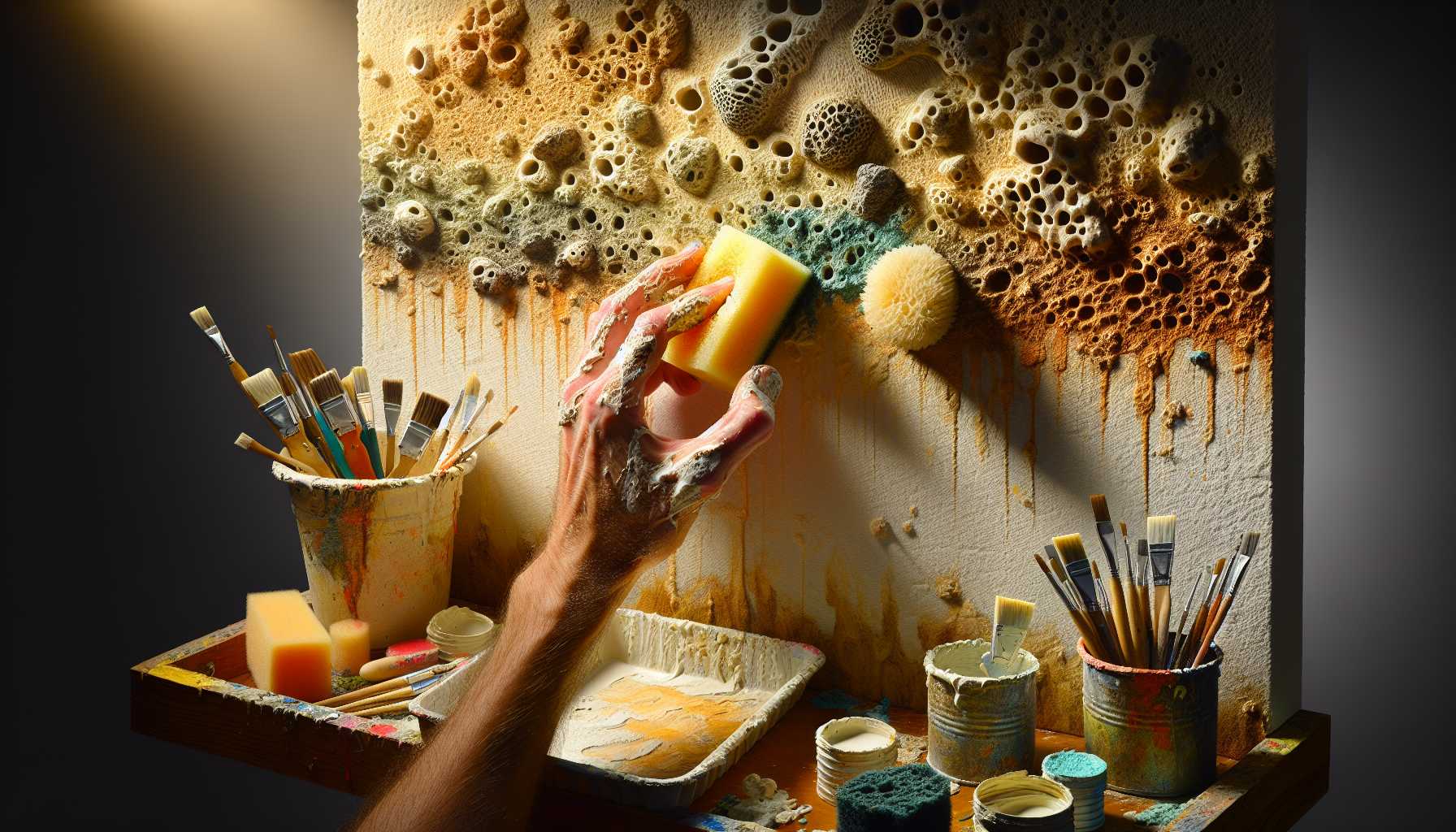
Master Sponge Painting: 8 Easy Texture Effects for Novices
Sponge painting can be a satisfying and fulfilling decorating skill to learn. It's affordable, unchallenging, and yields impressive outcomes that look professionally done. Regardless of whether you're breathing new life into a bedroom wall or giving old furniture a facelift, these sponge painting techniques will revamp your space.
Allow me to guide you through eight accessible methods, tried and tested personally by me. Each technique provides beautiful texture effects that'll have your friends inquiring, "Who decorated your walls?"
Starting Out with Sponge Painting
Before elaborating on the specific techniques, let's start with the fundamentals. For optimal outcomes, opt for natural sea sponges. They yield more natural, irregular patterns compared to synthetic sponges.
Collect these crucial supplies: - Natural sea sponges (2-3 varying sizes) - Premium-quality latex paint - Paint tray or paper plates - Drop cloths - Clean cloths - Bucket of water
Always run a test with your chosen technique on an inconspicuous area to avoid any unexpected outcomes on your main surface.
1. Traditional Color Washing
Color washing creates a gentle, dreamlike effect ideal for bedrooms. Apply a base coat in your lighter color and allow it to thoroughly dry.
Wet your sponge slightly. Dip it in your darker paint color and blot excess paint on paper towels.
Lightly dab the sponge across your surface using a tender bouncing motion. Allow your strokes to overlap randomly, creating depth and motion that appears natural.
Work in smaller sections to maintain a wet edge. The key here is to ensure your touch is delicate and breezy.
2. Combined Two-Color Blending Technique
This method merges two harmonizing colors for lavish, layered outcomes. Select colors that are 2-3 shades apart on paint swatches.
First, apply the base color. While this is a little damp, add touches of the second color with a clean sponge.
When colors merge, blend the edges using gentle, circular motions. The dampness facilitates a natural blending of the colors.
This technique is perfect for living or dining room spaces. It adds a refined touch without overpowering the space.
3. Gradual Additive Sponging Method
Additive sponging method gradually builds color. Begin with your lightest shade as the base coat then allow it to thoroughly dry.
Load your sponge with the successive darker color and apply randomly across the surface, making sure to leave some base color exposed.
Continue to add darker shades one at a time. Each layer should cover less area than the previous one, creating organic depth and dimension.
The end result resembles high-end wallpaper and your guests will be astonished to learn that it's actually painted.
4. Negative Subtractive Sponging Technique
This method eradicates paint while it’s still wet, resulting in distinctive negative patterns. Apply your paint using a brush or roller.
While the paint is still wet, press a clean, damp sponge onto it and gently lift straight up without dragging. This action removes paint and exposes the base color underneath.
You must work speedily since it needs the paint to remain wet. Enlist the help of someone if you're covering large areas.
Routinely rinse your sponge in water. This prevents the development of muddy colors.
5. Smoother Gradient Fade Effect
Although creating a neat color transition requires practice, the payoff is exceptional. Begin with your darkest color at the bottom of your surface.
Apply the base color with a sponge in horizontal bands and blend upwards with a clean, damp sponge while it's still wet.
Add progressively lighter colors as you move up, blending each transition while the paint is workable.
This technique is ideal for decorated accent walls, creating a sophisticated and timely ombre effect.
6. Delicate Stippling for Fine Texture
Stippling produces a subtle, refined texture throughout the surface. To achieve this, use a small piece of natural sponge.
Lightly load your sponge with paint and remove excess on paper towels. The sponge should only have a small quantity of paint.
Swiftly dab the surface with light, rapid touches. Keep your wrist loosely bouncing and work in a random pattern to avoid obvious repetition.
This method is excellent for concealing wall imperfections, with the texture diverting attention from minor defects.
7. Sponge Ragging
This technique mirrors the traditional rag rolling but uses sponges instead of rags, creating flowing, fabric-like patterns.
After applying your base coat and allowing it to dry, load a large sponge with either glaze or thinned paint.
Press the sponge onto the wall and slightly twist as you lift it. This creates organically overlapping shapes.
Switch your hand position and pressure for each application, avoiding creating a pattern that appears too uniform.
8. Expensive Metallic Accent Technique
Introducing metallic touches elevates any sponge painting project. Utilize this as the final layer over your completed base work.
Choose a metallic paint that complements the base colors. Gold matches warm tones, whilst silver suits cooler palettes.
Using a small piece of sponge, sparingly apply the metallic paint, focusing on protruding areas and edges where light would naturally hit.
With metallics, remember - less is more. The goal is to achieve a delicate shine, not an overwhelming disco ball effect.
Expert Tips for Success
Temperature consideration is crucial when sponge painting. Work in moderate conditions and avoid days that are exceedingly hot or humid. Extreme temperatures affect the paint's flow and drying process.
Keep several sponges at your disposal. Swap between clean ones to maintain fresh colors. Soiled sponges hinder clean results.
First, practice your rhythm on cardboard. Each person develops their unique motion, so you should find yours before commencing on the actual project.
Make sure to take breaks every half an hour. Step back and evaluate your work. It's comparatively easier to tweak issues early rather than fix problems later.
Avoiding Common Beginner Pitfalls
Avoid overloading your sponge with paint. Too much paint leads to blobs instead of texture. Always remember to remove excess paint first.
Avoid rushing through the process. Working too hastily results in uneven coverage and overlooked spots. Taking your time ensures consistent results.
Ensure to seal your work. A clear protective coat preserves your extraordinary sponge painting for several years.
Never omit priming new surfaces. Primer guarantees uniform paint absorption and authentic color results.
Sponge Care Guide
Clean sponges immediately after use, as dried paint can permanently damage natural sponges. Rinse thoroughly in warm, soapy water.
Keep clean sponges in dry storage, as damp sponges can grow mold or mildew. Always allow them to air dry completely before storage.
High-quality sponges can endure multiple projects. Proper care will prolong their lifespan and enhance their performance.
Concluding Thoughts
Sponge painting opens the door to endless artistic opportunities. These eight techniques are merely the starting point of your decorating adventure.
Start with a simple technique and slowly develop your skills. Each project imparts valuable knowledge about color, texture, and pattern.
Remember that in sponge painting, there are no mistakes - only unexpected outcomes that often end up being fortuitous surprises. So grab your sponges and begin creating beautiful spaces that mirror your personal style.
Your walls are eager for a transformation. Which technique will you tackle first?