Bubble Wrap Painting: Creative Texture Art for Beginners
Understanding Bubble Wrap Art
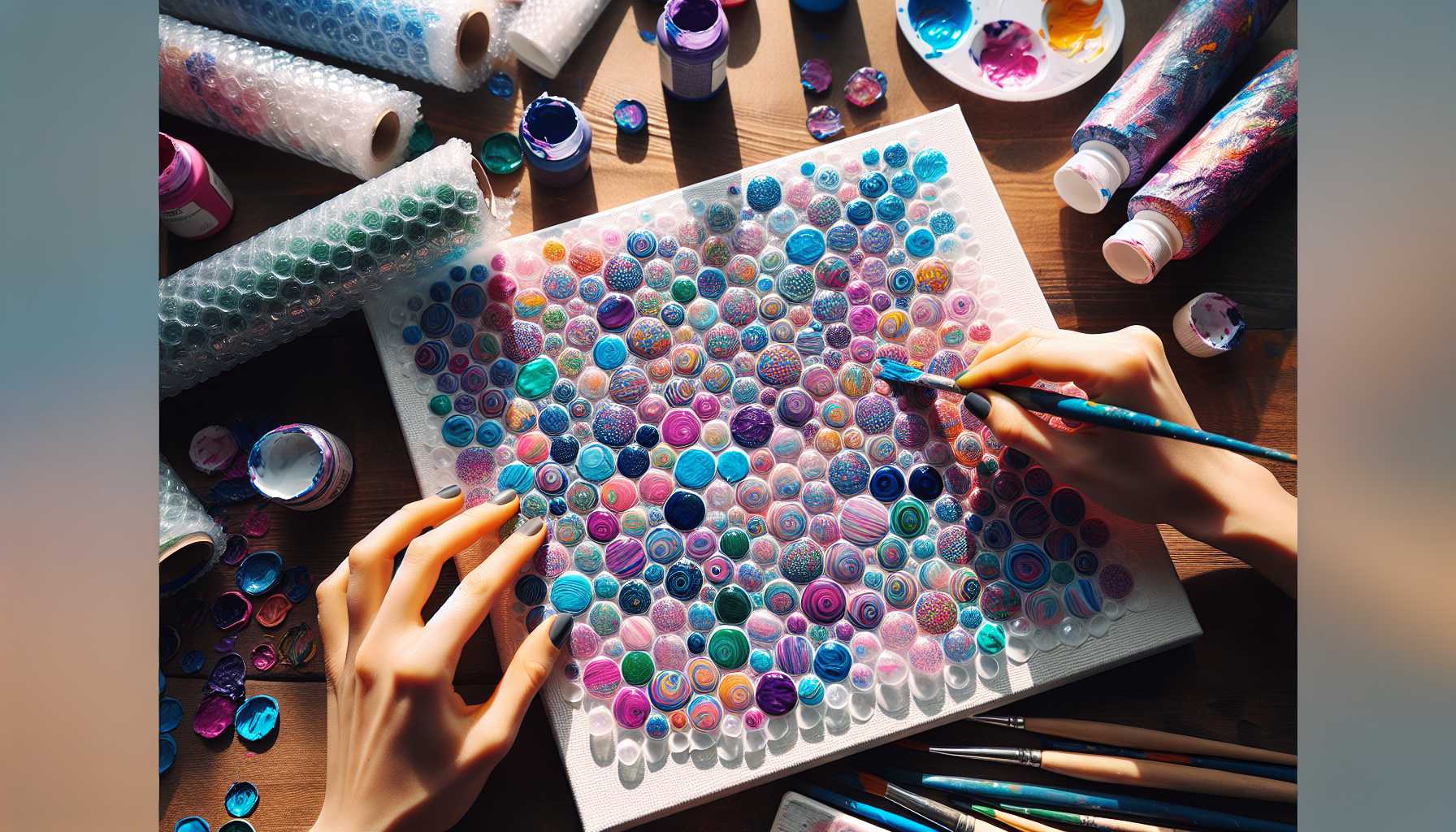
Instead of traditional brushes, bubble wrap art involves using a common packing material to paint. By pressing a painted bubble wrap onto a canvas, you can create unique and intriguing textures that are difficult to replicate with conventional painting methods.
This artistic method produces natural designs resembling abstract patterns, flowers or scales. Since each print differs slightly, every piece of artwork becomes one-of-a-kind.
Why Opt for Bubble Wrap Art?
Bubble wrap art is now widely adopted for multiple reasons:
Budget-friendly: Chances are, you already have bubble wrap at home. No need to invest in expensive art supplies.
Easy and accessible: This technique requires no prior art training or a steady hand. Thus, it's equally fun for both kids and adults.
Mess-tolerant: Contrarily to detailed brush work, bubble wrap painting allows for margin of error. In fact, such spontaneous "oops" moments often result in the most outstanding outcomes.
Therapeutic: The repetitive painting and pressing motions involved in bubble wrap art can be surprisingly calming and meditative.
Essential Supplies
Starting with bubble wrap painting entails gathering a handful of basic items:
- Bubble wrap (preferably with medium to large bubbles)
- Acrylic paints
- Canvas, cardstock or watercolor paper
- Paper plates or a palette for paint
- Foam roller or a brush
- Paper towels
- Water container
Most of these supplies might already be present at home. If not, they can easily be procured from a local craft store or online.
Beginner's Guide to Bubble Wrap Art
Ready to create your first masterpiece? Here's a step-by-step guide:
Step 1: Setting up your workspace. Cover your work area with newspaper or plastic to avoid paint stains. Ensure you have good lighting.
Step 2: Cutting the bubble wrap. The bubble wrap pieces should be slightly smaller than your canvas to provide better control.
Step 3: Applying paint on the bubble wrap. Use a foam roller or a brush to uniformly spread paint across the bubbled surface. Be mindful not to overload it with paint - less is more.
Step 4: Press and lift. Place the painted side of the bubble wrap onto your canvas and press it down gently yet firmly. To prevent smudging, lift it straight up.
Step 5: Repeat as required. Feel free to overlap prints or leave spaces between them. Try out various colors and placements.
Expanding Your Creative Palette
Once you've got the basics down pat, challenge yourself with these cool ideas :
Layering Colors
Start with lighter tones as your base layer and let them dry thoroughly. Then superimpose with darker colors to create depth and vibrant contrasts.
Intentional Partial Coverage
You don't necessarily need to cover the entire canvas. Strategically placed bubble wrap prints can effectively establish focal points or borders.
Varying Bubble Sizes
Experiment with different bubble wrap sizes in a single artwork. Larger bubbles can make bold expressions, while smaller ones can add intricate details.
Integrating Stencils
You can add a fun twist to your artwork by combining bubble wrap prints with stencils. Apply the stencil first, then add bubble wrap textures around or over it.
Tips to Enrich Your Bubble Wrap Art Experience
Here are a few tips to enhance your bubble wrap painting:
Work swiftly. Acrylic paint tends to dry quickly. So, apply and press your bubble wrap promptly for the best effect.
Clean between color changes. To avoid murky color mixtures, rinse the bubble wrap thoroughly before shifting to a different hue.
Press uniformly. Ensure a consistent pressure application across the canvas using your whole hand. However, avoid excessive force as it might lead to popped bubbles.
Embrace quirks. This technique's charm lies in its organic, unpredictable nature. So, there's no need to aim for perfection.
Practise before-hand. Try your technique on scrap paper before moving on to your final piece.
Common Mistakes to Evade
Avoid these common pitfalls to prevent unnecessary frustrations:
Overloading paint. Too much paint can result in blobs rather than defined bubble prints. It's better to start with less.
Moving the bubble wrap. Shifting bubble wrap leads to smudges. Press down and promptly lift it straight up.
Layering without drying. Waiting for each layer to dry completely pays off in the long run.
Discarding 'failed' pieces too soon. Artwork often appears enhanced once completely dry. Retain the pieces for some days before declaring them as failures.
Projects for Bubble Wrap Art Neophytes
Eager to use your newfound skills? Consider these beginner-friendly projects:
Depict an Ocean
Create an underwater ambiance using blue and green paints. The natural bubble textures resemble coral or sea foam.
Floral Garden
Using different colors like pink, purple, yellow, or red, print bubble wrap impressions as flowers. Later, add painted stems for a realistic touch.
Sunset Scenery
Use warm colors like orange, pink, and purple in layers. The bubble textures will impart a dreamy cloud effect.
Creating Decorative Backgrounds
Generate textured backgrounds for scrapbooking or card making to add a professional look to any project.
Advancing Your Bubble Wrap Art Skills
Once proficient in basic bubble wrap art, consider the following steps:
Experiment with different paint types. Watercolors provide softer effects than acrylics. Fabric paints are great for customizing clothing or bags.
Try various surfaces. Don't limit yourself to canvas. Explore with wood, fabric, or even walls (ensuring it's properly prepped).
Mix techniques. Incorporate traditional brushwork, splattering, or stamping into bubble wrap printing.
Document your journey. Photographing your work in progress helps memorize successful color blends and techniques.
Tips for Cleaning and Storage
Proper maintenance can help prolong the lifespan of your supplies:
Immediate Bubble Wrap Cleaning. Removing dried paint can be challenging. Rinse thoroughly with warm water as soon as you're done.
Storing Bubble Wrap Flat. Folding the bubble wrap can result in permanent creases that could disturb print quality.
Organize Paints. To prevent wastage, keep the colors sorted and well-sealed.
The Pleasure of Bubble Wrap Art
There's an unparalleled joy attached to the process of bubble wrap painting. The thrill of pressing down painted bubble wrap and uncovering the hidden designs beneath is immeasurable. It's like unwrapping a little surprise with each print.
This technique taps into our playful attributes, reminding us that perfection or seriousness isn't necessarily required to create masterpieces. Sometimes, all it takes is simple resources and a receptive mind.
Whether you're seeking a fresh hobby, a novel kid's activity, or a unique artistic venture, bubble wrap painting offers it all. It's readily available, economical, and endlessly stimulating.
Embrace Bubble Wrap Art Today
Don't procrastinate. Start with bubble wrap painting today. Retrieve some bubble wrap from your last e-shopping delivery, dig out some old paint from your basement, grab the canvas you've been stowing away for something special.
True art is created when we hesitate less and begin experimenting. Bubble wrap art is the perfect introduction to textured art methods, instilling self-assurance while yielding impressive outcomes.
You'll likely be surprised by your initial endeavours. An apparently unsophisticated technique can produce impressive, exhibit-worthy pieces. All you need to do is to start, experiment, and relish the experience.
Remember, every accomplished artist once started as a novice. Your bubble wrap painting saga starts with that first canvas press. The intriguing textures you create will guide your artistic voyage for years ahead.
So gather your tools, prepare your workspace, and delve into the captivating realm of bubble wrap art. Your creative journey awaits!