10 Easy Canvas Painting Ideas Using Only Primary Colors
10 Straightforward Canvas Painting Ideas Using Only Primary Colors
Embarking on a painting journey might seem daunting. But here's some uplifting news: you need just three colors to create exceptional art! Red, blue, and yellow are the ticket to unlocking boundless creative opportunities.
With a decade's worth of art tutorship under my belt, I can confidently affirm that constraining yourself to primary colors can surprisingly foster creativity. Now let's jump into these enjoyable and simple painting ideas!
The Advantage of Primary Colors for Novices
For beginners, primary colors are your allies. They are straightforward, striking, and blend harmoniously together.
With these three alone, you can derive all other colors. Blend red and blue to get purple, blue and yellow to get green, and yellow and red to produce orange.
This technique is budget-friendly too. You can forego the expense of numerous paint tubes and get just these three!
Supplies You'll Need
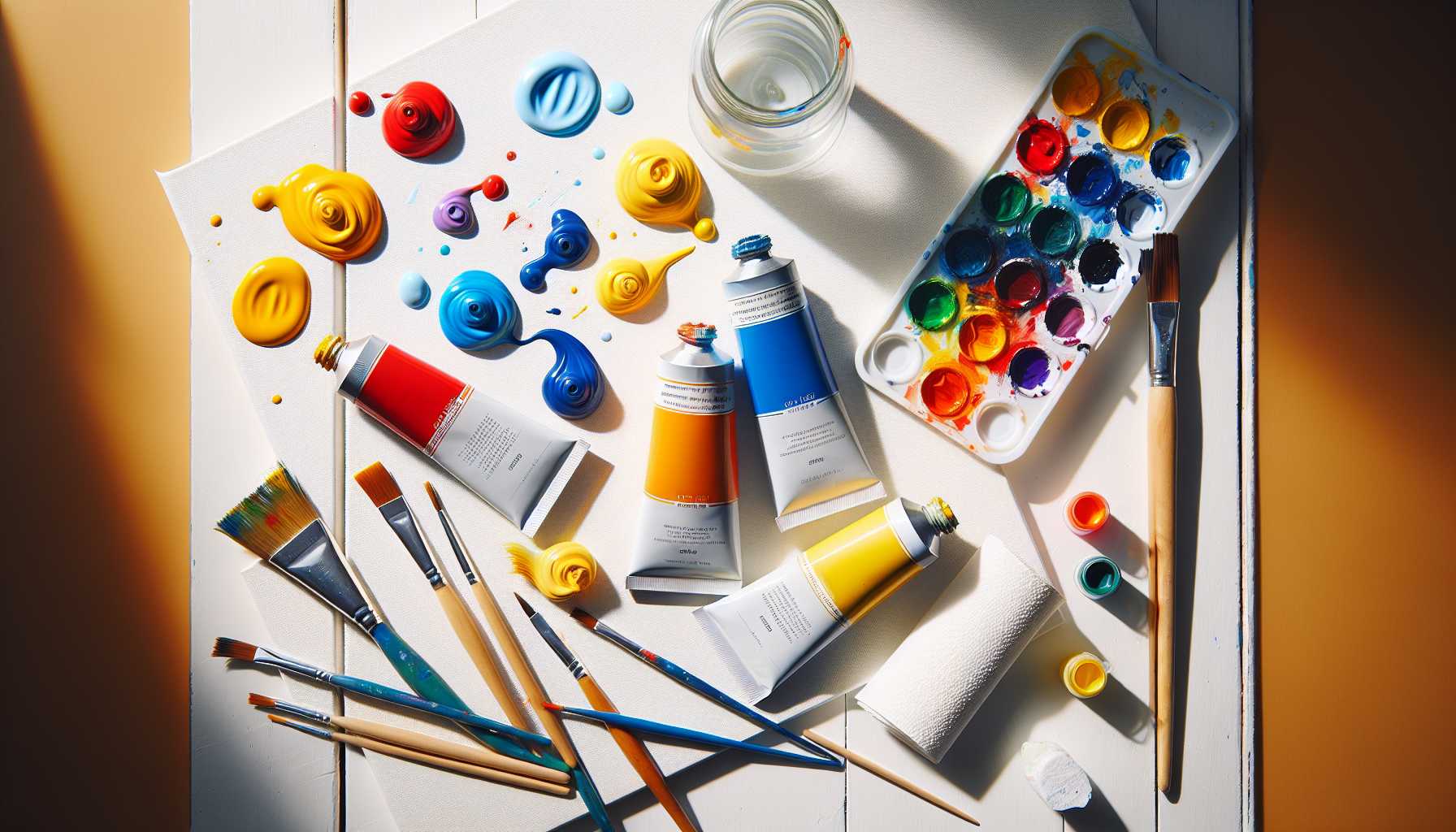
Maintain a simple list of supplies: - Canvas (any size is fine) - Red, blue, and yellow acrylic paint - Common brushes (flat and round) - A container for water - Paper towels - Palette for mixing
Now, let's roll up our sleeves and start painting!
1. Uncomplicated Sunset Landscape
Sunsets are both indulgent and stunning. Start with a yellow horizon line, followed by red above it, allowing the colors to naturally blend.
Paint the upper part with blue. There's no need to obsess over perfect blending - remember, nature isn't immaculate either!
Add a basic silhouette of trees or mountains using dark purple (a blend of red and blue). This instantly adds drama to your piece.
2. Abstract Color Blocks
Abstract art lets your creative spirit run wild. Split your canvas into sections either by taping or painting freehand.
Place a different primary color in each section. Try blending adjacent sections while the paint is yet to dry.
The real charm is in the irregularities. Encourage the colors to naturally merge and mix at the edges.
3. Flower Garden Scene
Using all three primaries, paint basic flower forms. Start with yellow flower centers.
Surround some centers with red petals, and others with blue. Blend red and yellow for orange blossoms.
Form stems and leaves with a mixture of blue and yellow. You can vary the shades of green by modifying your color proportions.
4. Ocean Waves
Blue is the perfect shade for sea scenes. Begin with light blue for the horizon.
Introduce darker blues as you move closer to the bottom of the painting. Use white (a slight mix of all three colors) for wave caps.
Add a sun painted in yellow, reflecting on the water. Let it extend downward in wavy lines.
5. Geometric Patterns
Though complex looking, geometric art is surprisingly easy. Use tape to create forms such as triangles, circles, or squares.
Fill differing forms with each primary color. To achieve sharp lines, remove the tape while paint is slightly wet.
This style exudes a modern and professional look. It'll surely impress your friends!
6. Rainbow Stripes
Rainbows are universally beloved! Paint stripes across your canvas either horizontally or vertically.
Start with red, followed by orange (red + yellow), and then proceed with yellow. Continue with green (blue + yellow), then blue, then lastly purple (red + blue).
Stripe thickness can vary. Consider using wavy strokes instead of straight lines for a playful outcome.
7. A Tree Across Four Seasons
Divide the canvas into four segments. In each, paint the same tree but demonstrate varying seasons.
Spring: Leaves in yellow-green (more yellow used in the blend) Summer: Leaves in blue-green (more blue used in the blend) Fall: Red and orange leaves Winter: Bare branches against a blue sky, painted in purple
8. Butterfly Collection
Across your canvas, paint basic butterfly forms. Utilize each primary color for different butterflies.
Incorporate mixed colors for diversity, like orange and purple butterflies, and even ones in green.
Retain the simple forms, and concentrate on the vibrant, joyful colors more than photo-realistic details.
9. Hot Air Balloons
Hot air balloons are colorful and fun to paint. Start by painting circles for the balloon shapes in the primary colors.
Introduce mixed colors to add patterns or stripes. Underneath, paint a simple brown basket (blend all three colors with more red).
Paint the backdrop with blue skies and white clouds. This painting is sure to bring a smile to anyone's face!
10. Color Wheel Art
Try creating a color wheel painting. Start with a circle divided into six parts.
In alternating sections, paint primary colors. Fill the remaining spaces with secondary colors (your mixed shades).
Enhance your wheel with decorative elements to make it both an artistic and informative tool.
Professional Tips for Success with Primary Colors
Mix colors on the canvas, not just the palette. When colors naturally blend where they intersect, they create spectacular gradients.
Don't overcomplicate things. Primary colors are bold and tolerant of errors. Embrace any accidental blends!
Vary the intensity of your colors. Add minute amounts of other primaries to create subtle shade variations.
Clean your brush after using each color. This will retain the vibrance of your primary colors.
Fallacies Beginners Should Avoid
Overusing water. The ideal consistency for acrylic paint is moderate.
Unintentionally mixing muddy colors. When merging all three primary colors, use a light hand. Excessive mixing can result in brown or gray.
Being hesitant of using bold colors. Primary colors are meant to be vibrant. Fully embrace the luminosity!
Rushing the process. Before adding another layer, let each one dry. This prevents muddied mixing.
Taking Your Art to the Next Level
Once you're comfortable with these projects, feel free to be more experimental. Explore different brush techniques or experiment with varying canvas sizes.
You might want to consider capturing photographs of your artwork. Seeing the advancement of your skills over time might surprise you!
Share your artwork with your loved ones. Remember, the joy of art is meant to be spread and shared!
Summing Up Your Colorful Tale
Primary colors provide unlimited opportunities. These ten ideas mark just the start of your artistic exploration.
Keep in mind that every professional artist began with simple projects akin to these. The secret is to persistently practice and enjoy every moment.
Grab your red, blue, and yellow paint today. Your canvas eagerly awaits that first audacious brushstroke!
Which painting idea prompted excitement in you? Start with that one. The journey toward becoming an artist begins with a single color and a willing spirit.
Enjoy your painting endeavors!