Plein Air Painting: Essential Impressionist Outdoor Techniques
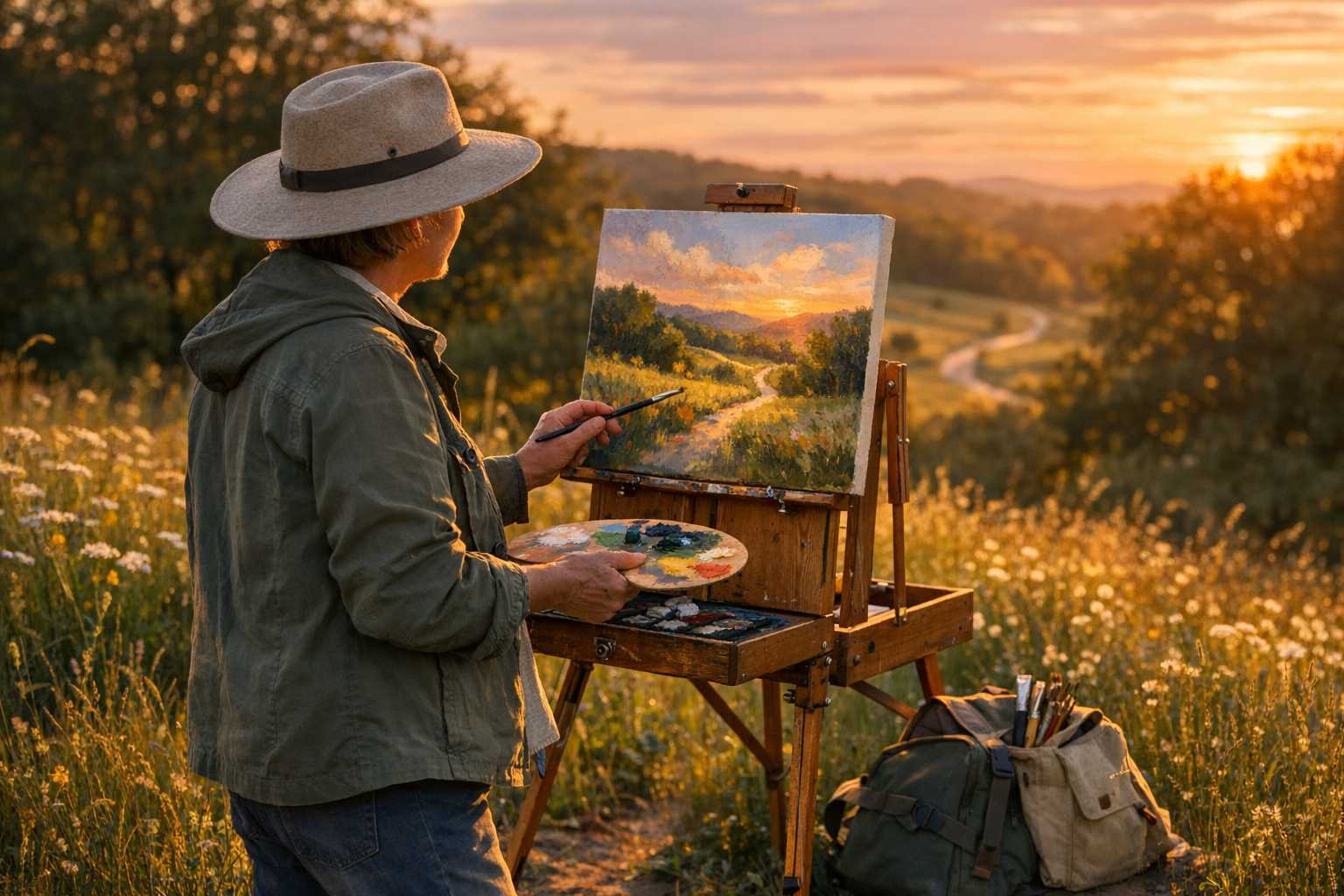
Capturing the Essence of the Outdoors: Mastering Plein Air Techniques
Have you ever found yourself marvelling at the spellbinding outdoor scenes skilfully created by Impressionist master painters? The essence of their technique is incorporated in an engaging approach called plein air painting - the sublime art of painting directly from nature in the open air.
This French phrase directly translates to "open air," a revolutionary method that left an unforgettable marks in the annals of art history. Here's a guide on how you can adopt these timeless techniques yourself.
The Intrigue Behind Plein Air Painting
There is an enigmatic quality in plein air painting that can’t be replicated in a studio. The changing light, pure air, and instant bond with your subject merge to create artwork that thrums with authenticity and vibrancy.
Claude Monet once claimed he wished his sight had been restored only later in life, so that he could paint objects without recognizing what they were. This philosophy of observing purely is the soul of plein air painting.
Impressionists led a revolution in the art world by shifting their easels outdoors. They emphasized on painting what they observed, not what they perceived they ought to perceive.
Equip Yourself for A Successful Outdoor Painting Experience
Your plein air setup need not necessarily be complex. Here are recommendations from seasoned outdoor painters:
Selection of Portable Easels:
- French box easels offer both storage and stability
- Tripod easels bring the advantage of being light and easy to carry
- Tabletop easels are appropriate for smaller canvases
Choosing Your Canvas and Surface: - Canvas boards are light and inexpensive - Stretched canvases emanate the traditional appeal - Paper works exceptionally well for both oil and acrylic studies
Choosing Paints: - Limit your palette to six to eight colours - Include both warm and cool versions of primary colours - Don't underestimate the need for white - you'll be utilizing a lot of it
Mastering the Mechanics of Light and Shadow Outdoors
When you paint outdoors, light conditions are continuously changing. This hurdle can be transformed into your greatest facet of learning.
The Magic of the Golden Hour: The first hour after sunrise and the last one before sunset bestow warm, striking lighting. The period known as the Golden Hour provides long shadows and saturated colours, cherished many plein air painters.
The Challenge of Midday: The harsh midday sun creates strong contrasts. Be on the lookout for interesting shadow patterns, which could become the highlight of your painting.
The Advantage of Overcast Days: Cloudy days offer even, scattered lighting. Colours appear more vibrant and details are easier to spot and depict.
Techniques of Managing Color Temperature
Knowing the difference between warm and cool colours can add a captivating transformation to your outdoor paintings. The Impressionists knew this principle well.
Warm Colours: - They seem to rush out at the viewer - Include shades of red, orange, and warm hues of yellow - Ideal for painting foreground elements and areas bathed in sunlight
Cool Colours: - They appear to retreat into the distance - Include shades of blue, purple, and cooler greens - Perfect for shadows and faraway objects
The Secret of Colour Temperature: Shadows are not merely darker versions of the local color, often they contain a complement of the light source color. For example, if the sunlight is warm yellow, shadows lean towards a cooler shade of purple.
Quick Brushwork and Alla Prima Techniques
Impressionists devised alla prima painting - a method that involves finishing the artwork in one session while the paint is still wet. This technique wonderfully captures the freshness and spontaneity.
Loading Your Brush: - Load brushes enough, but avoid excess - Be confident and decisive with your strokes - Visible brushstrokes add vitality
Mixing Colours on the Canvas: - Mix your colours partially on your palette - Let the final mixing occur on the canvas - This creates vivid, speckled color effects
Handling Changing Conditions
Nature and light will not bend according to the artist's wishes. Here are professional solutions to tackling outdoor challenges:
Dealing with Wind: - Balance your easel using rocks or sandbags - Use clips to hold your canvas in place - Opt for smaller works of art on windy days
Preparing for Rain: - Invest in a pop-up tent or umbrella - Equip yourself with paper towels and plastic bags - Recognise when to adjourn and resume another day
Protecting from the Sun: - Use a hat and apply sunscreen - Set up in a way that excessive glare won't hit your canvas - Utilize an umbrella for shade when necessary
Tips to Crafting the Perfect Composition
Quality plein air paintings are underpinned by thoughtful composition choices.
Rule of Thirds: Important elements should be positioned along imaginary grid lines, thus creating a more appealing composition than merely centering everything.
Using Leading Lines: Paths, fences, or shorelines can be used to guide the viewer's gaze through your painting. Rivers and roads also make excellent leading lines.
Starting with Value Studies: Before you start mixing colours, establish your pattern of light and dark. Squinting at your subject can simplify value relationships.
Common Setbacks and Their Solutions
Even experienced painters often face these challenges when painting outdoor:
Overworking Details: First concentrate on broad aspects. Save details for last, and only if necessary. Impressionist paintings succeed through suggestion rather than explicit rendering.
Chasing the Light: Avoid the temptation to constantly revise your painting as light changes. Commit to one lighting scenario and faithfully abide by it.
Neglecting to Step Back: Regularly observe your work from a distance. This helps you to focus on the overall effect rather than getting engrossed in small sections.
Cultivating Your Plein Air Practice
Like any craft, plein air painting improves with consistent practice.
Start Small: Commence with 6x8 inch or 8x10 inch canvases. Smaller painting feels less threatening and can be completed at a faster pace.
Limiting Time: Allocate a maximum of 1-2 hours for each painting. This forces you to focus on essentials rather than fussing over details.
Painting the Same Subject Multiple Times: Monet painted haystacks and water lillies over and over again. Repetition is the key to noticing subtle differences in light and atmosphere.
Joining the Plein Air Community
Plein air painting opens the doors to an engaging community of artists.
Local Groups: There are plein air painting groups in most regions that organize outdoor painting sessions and extend a friendly hand to beginners.
Online Communities: Social media groups share daily paintings and techniques, providing an endless source of inspiration through others' works.
Plein Air Events: Often, regions organise plein air festivals and competitions. These events are a celebration of the art of outdoor painting and bring artists together from different backgrounds.
Advancing Your Skills
Once you've mastered the basic techniques, there are advanced approaches to consider:
Series Painting: Like Monet's cathedrals series, paint the same subject at different times of the day or in different seasons.
Weather Study: Artistically challenge yourself by painting in various weather conditions. Each delivers unique learning opportunities.
Urban Plein Air: Cities offer a plethora of exciting subjects such as architecture, people and bustling energy.
The Unique Experience of Outdoor Painting
Plein air painting does not only refine your artistic skills, it compels you to bond deeply with nature. You'll grow to appreciate light and color nuances that you had previously overlooked.
Each outdoor painting session unfolds into an adventure. Some days, everything will fall perfectly into place, other days will usher in challenges that test your abilities.
Both kind of experiences sculpt you into a better artist.
The Impressionists set the precedent that painting outdoors isn't just replicating the seen reality. It's more about reacting to the energy, illumination, and aura of a fleeting moment.
Your plein air journey begins with a single brushstroke in the open air. Prepare your supplies, hunt for a visually appealing spot, and commence painting. The natural world awaits, ready to share its wisdom about light, color and the sheer joy of creating art.
Remember, every expert was once a beginner who chose to persist. Your colorful outdoor painting journey begins now.