Capturing Movement: Dynamic Impressionist Painting Methods
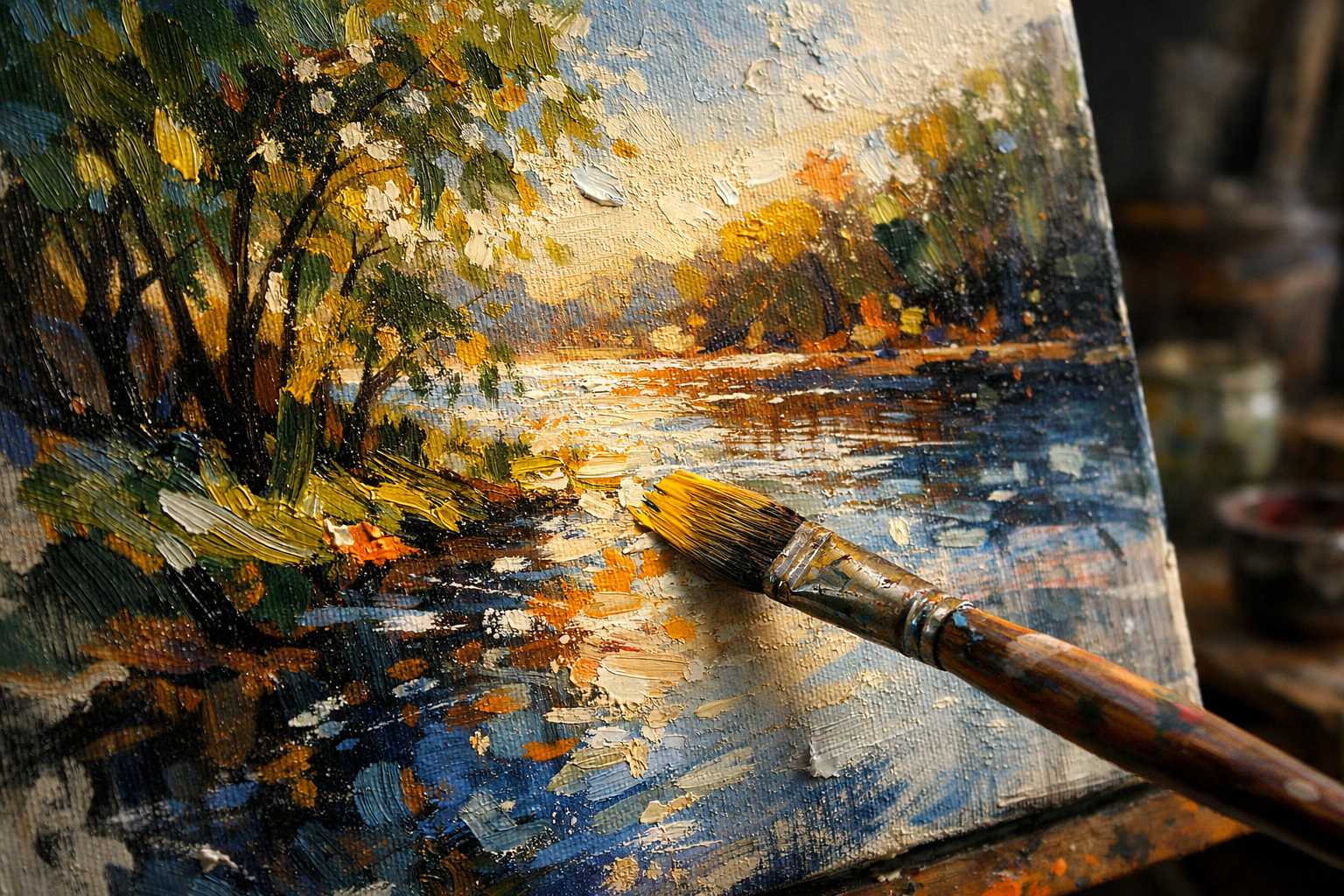
Trapping Motion: The Power of Dynamic Methods in Impressionist Art
Does the aesthetic of impressionist masterpieces with their strikingly lifelike feel ever make you curious? This vibrant charisma is due to their engaging techniques sculpted to depict motion. Today, we'll navigate through these intriguing techniques which can metamorphose your pieces of art.
The Role of Motion in Impressionist Art
Motion in a painting isn't about representing action matter-of-factly. It's about constructing a visual path that directs the viewer's gaze. This is an art skill that was mastered by impressionists to perfection.
The objective is to infuse life into static paint. Your brushstrokes essentially act as the pulse of your painting. Each mark made should carry intention and vigour.
Consider motion as an unseen ballet taking place on your canvas. It sets apart ordinary paintings from extraordinary ones.
Key Brushwork Techniques for Creating Dynamic Appeal
Your paintbrush is your fundamental weapon for crafting motion. The manner in which you hold and move it bears great consequence. Large, bold strokes are more potent than restrained, controlled ones.
Experiment with altering your pressure while painting. Forceful strokes offer a bold impression. Gentle strokes assist in inserting subtle traces of motion.
Altering direction is transformative in your brushwork. For instance, horizontal strokes evoke a sense of serene water while vertical lines resemble falling rain or markedly tall grass rustling in the wind.
Fragmented brushstrokes are a darling of impressionism. They enable colors to blend visually in the observer's perception. This technique charges your art piece with an electrifying vitality.
Excessive working of your paint could be counter-productive. Keeping applications fresh, in a wet-on-wet style, retains that spur-of-the-moment feel. Trust your initial instincts.
The Impact of Color Theory in Generating Visual Flow
Alterations in color temperature naturally induce motion in paintings. Warm shades seem to thrust towards the viewer while cooler tones draw back.
Strategically incorporate contrasting colors throughout your composition. This creates a visual oscillation suggesting life and mobility. But, avoid overuse.
Subtle transitions in color act like visual bridges. They connect varied areas of your painting seamlessly, allowing your eye to glide along these color paths effortlessly.
Reflected light enhances another layer of motion. Objects soak up colors from their surroundings, establishing harmonious color relations throughout your piece.
Initially, consider using a restricted palette. Three or four shades can foster more unity than a combination of twenty random colors. Master the art of color blending with fewer shades first.
Compositional Approaches Contributing to Motion
Leading lines are powerful tools in evoking motion. They guide the viewer’s attention to where you want it. Elements like rivers, paths and fence lines are effective for this.
The rule of thirds is applicable here too. You might want to locate your focal points at intersection points. This strategy results in a more vibrant composition than centering everything.
Layers of overlapping shapes confer depth and visual motion. They craft layers that the eye is compelled to navigate. This keeps the viewer's attention for a longer interval.
Unconventional balance seems more spontaneous and dynamic. Perfect symmetry usually conveys a stagnant and monotonous feel. Embrace the charm of minor imbalances in your compositions.
Leaving some areas suggested or undetailed urges viewers to fill in the gaps with their imagination. This mental engagement engenders involvement with your artwork.
Examining Light and Its Patterns of Motion
Light fluctuates perpetually throughout the day. No one understood this better than the impressionists. They frequently portrayed the same views at different time intervals to capture this.
Shadows are far more than darkened areas. They appear as colorful, intricate shapes animating your composition. Pay close attention to their fringes and temperatures.
Dappled beams of light through foliage offer delightful motion opportunities. These patterns of broken light add intrigue and texture to any painting.
Backlighting creates striking silhouettes and edge lighting. This method infuses instant dynamism and motion into your subjects.
Water reflections are an appropriate exercise for mastering movement techniques. Their state of eternal flux creates a mesmerizing distortion of reality.
Engaging Motion with Diverse Subjects
Begin with straightforward subjects such as clouds on the move or water flowing. These natural elements are forgiving for novices, allowing the freedom for a loose and flowing effect.
Trees swaying in the gust offer excellent practice opportunities. Their leaves and branches form directional movements that inspire confident, sweeping strokes.
Walking figures pose stimulating challenges. Perfect anatomy is secondary to capturing the gesture and energy of these figures.
Animals in motion expose you to the rhythm and grace of movement. Even a reclining cat captures the essence of subtle motion by means of its breathing.
Urban scenes humming with traffic and pedestrians exude vitality. Master the ability to imply motion without becoming enmeshed in details.
Frequent Mistakes to Steer Clear Of
A common pitfall is attempting to portray each minute detail observed. Impressionism is about encompassing an impression instead of meticulous documentation. Sometimes, less manages to convey more.
Avoid stiff, uniform brushstrokes across your painting. Modulate your marks to provide visual appeal. A dull technique yields dull results.
Don't retreat from the fear of making mistakes. Happy accidents can catalyze breakthrough moments. Welcome unexpected turns in your work.
Overblending may disrupt the freshness of impressionist work. Display your brushstrokes prominently, they contribute to the painting's unique character and charm.
Don't hasten the observation phase. Devote adequate time to understand your subject. Comprehension precedes successful execution.
Enhancing Your Skills Through Consistent Practice
Carve out time for daily sketching. Even a mere fifteen minutes boosts your observation abilities. Regular application outperforms prolonged painting sessions.
Attempt painting an identical scene multiple times. Observe how varied lighting transforms everything. This drill refines your sensitivity to minor changes.
Join plein air groups in your locality if possible. Outdoor painting with peers offers motivation and learning prospects. You'll naturally acquire newer techniques.
When possible, analyze the works of master impressionists in person. Witnessing brushwork up close imparts lessons that can't be gleaned from books.
Maintain an art diary for quick studies of motion. Capture fleeting moments like birds in flight or passers-by.
Diving Deeper into Your Studies of Motion
Experiment beyond oil paints. Watercolors with their natural flow impart lessons on motion brilliantly. Pastels offer the chance to make immediate, audacious marks.
Photography could serve as a study aid. Take photos that serve as movement references for subsequent studio work. However, avoid relying solely on pictures.
Strive to paint from life as much as possible. Real subjects radiate energy in a manner that photographs fail to capture. Accepting this challenge leads to artistic growth.
Interact with fellow artists who share your interests. Online communities offer platforms for feedback and encouragement. We all learn and grow more efficiently together.
Keep in mind that developing these skills requires time. Be patient with yourself. Each painting you complete adds something new to your understanding of capturing motion.
Embarking on your adventure into dynamic impressionist painting methods starts with the first brushstroke. Make every single one count, and let your painting burst with life.